


|
Getting your Trinity Audio player ready...
|
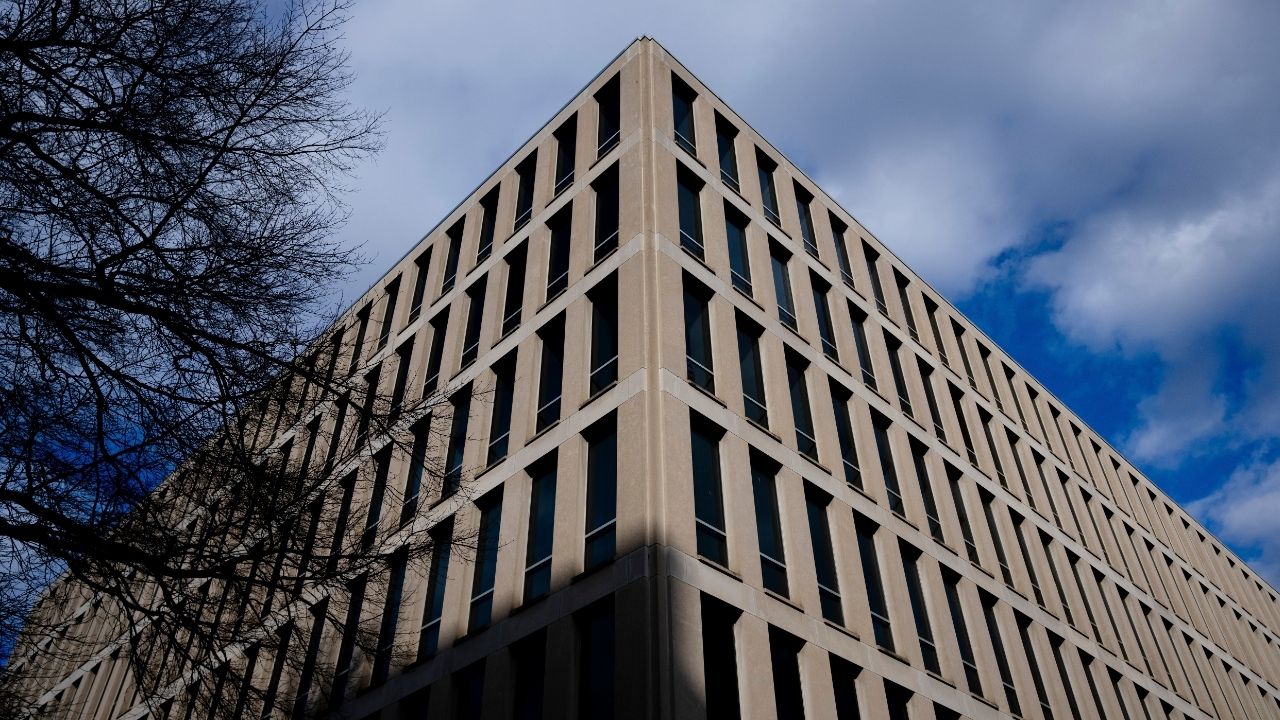
Two federal courts struck down a Trump administration rule that would have allowed the Education Department to disqualify employers from participating in a student loan forgiveness program for public servants.
The rule had fulfilled an executive order issued last year, and appeared to target groups supporting immigrants lacking legal status, diversity initiatives or gender-affirming care for children under the age of 19, among others. The regulation could have pushed borrowers out of the program if their employers were deemed to be engaged in activities that had “a substantial illegal purpose.”
Judge Myong Joun of the U.S. District Court in Massachusetts vacated the rule Tuesday, just a day before it was scheduled to take effect. More than 22 states, along with several cities, counties, nonprofit employers and others challenged the administration’s new rule, arguing that it would allow the government to target employers that disagreed with its policies.

The judge found that the Trump administration had exceeded its authority, and noted that Congress had clearly described which types of workers were eligible for the Public Service Loan Forgiveness program, which was written into law in 2007. The program is open to government and nonprofit employees such as schoolteachers, public defenders and librarians. After they make 120 qualifying payments in an income-driven repayment plan, which requires at least 10 years of service in qualifying jobs, any remaining balance is eliminated.
“The statute does not vest any discretionary authority in the Secretary to disqualify employers (and consequently borrowers) or to alter unambiguous requirements set forth in … the repayment provision or the statutory definition of ‘public service jobs,’” the judge wrote.
He concluded that the final rule “is contrary to law and promulgated in excess of statutory authority, is arbitrary and capricious, and violates the First Amendment.”
In a separate case challenging the same regulation, Judge Amir Ali, of the U.S. District Court for the District of Columbia, found the new rule unlawful, siding with several advocacy groups that filed a lawsuit in November.
Many public servants have staked their financial futures on the program, and being disqualified could have potentially upended their finances. More than 1 million people have received tens of billions of dollars in loan forgiveness under the program.
“This rule was clear overreach and has already harmed public service employers and workers across the country,” said Winston Berkman-Breen, legal director at Protect Borrowers, which represented plaintiffs in one of the Massachusetts cases. “With today’s decision, teachers, social workers, immigration attorneys and government employees can continue their important work without fear the federal government will punish them for their service.”
Nicholas Kent, the undersecretary of education, said in a statement that the department stood “behind this commonsense policy to ensure that taxpayer dollars are never used to subsidize illegal activities,” and was evaluating next steps.
—
This article originally appeared in The New York Times.
By Tara Siegel Bernard/Erin Schaff
c. 2026 The New York Times Company