

|
Getting your Trinity Audio player ready...
|
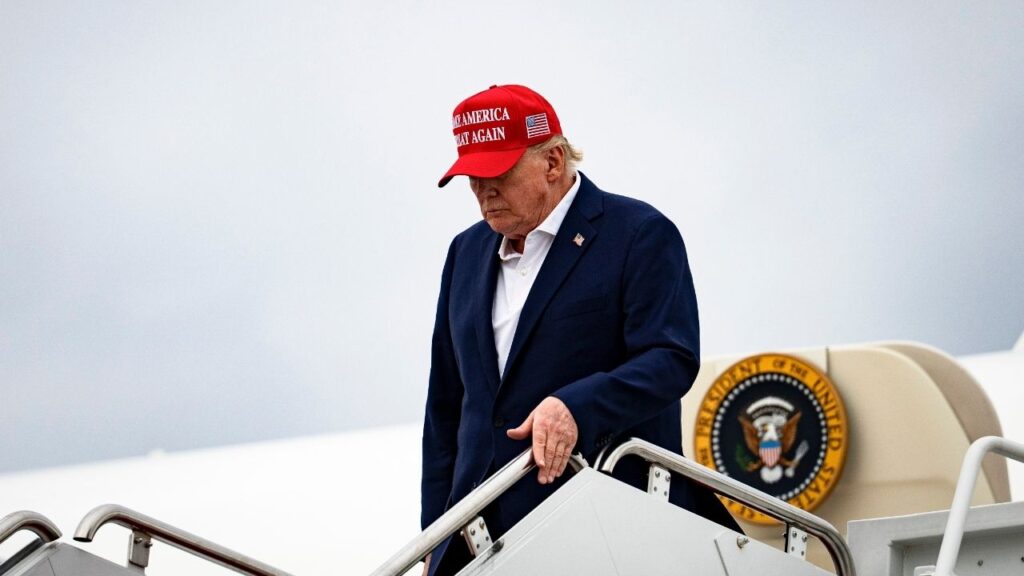
Oil prices were steady on Monday on a lack of progress in diplomatic efforts to resolve the Iran war, with investors wary of U.S. President Donald Trump’s latest comments demanding that Iran surrender while also threatening to bomb Oman.
Brent crude futures were up 6 cents, or 0.07%, at $88.58 a barrel by 10:55 a.m. EDT (1455 GMT). U.S. West Texas Intermediate crude futures fell 18 cents, or 0.22%, to $82.22 a barrel.
“It will take more than this rhetoric at this point to get the market moving, we have priced in a lot of curtailment to supply already,” said John Kilduff, partner at Again Capital. “The market is definitely taking the Trump remarks in its stride.”

“They should put up the white flag of surrender,” Trump told a Fox News reporter, referring to Iran during a phone interview. “If Oman gets in the way, we’ll bomb the shit out of them,” he added.
Meanwhile, a senior Iranian official told Reuters that Tehran would escalate tensions in the Strait of Hormuz and beyond, and launch an attack if the U.S. fails to implement an interim peace deal fully in a matter of weeks.
Monday marked the day by which Iran and the United States were expected to reach a final deal under a memorandum of understanding agreed in June and aimed at ending the war.
Prices are unlikely to move substantially higher, however, unless there is a halt in the current flow of crude out of the Strait of Hormuz at night and/or a closure of the Bab el-Mandeb Strait, Bjarne Schieldrop at SEB Research said.
For now, prices are trading close to $90 as traders weigh the risk of deeper disruption and shortages against the possibility of a resolution where the Strait of Hormuz is reopened and oil prices fall sharply, Schieldrop said.
Both contracts gained more than 5% last week following attacks on tankers operated by the Abu Dhabi National Oil Company in the Strait of Hormuz and on a Saudi Aramco refinery.
Over the weekend, Iranian Foreign Minister Abbas Araqchi said Iran had not decided to resume talks with the United States, while Trump urged Americans to accept slightly higher gasoline prices while the conflict continues.
Iran’s Foreign Ministry spokesperson Esmaeil Baghaei said talks with Oman over a deal to manage the Strait of Hormuz were continuing and were taking a long time due to the complexity of the subject, the involvement of multiple actors and countries seeking to undermine the process.
“Shipping through the Strait of Hormuz remains restricted, and negotiations have reached a stalemate, both of which limit the potential for further decline,” said Frank Walbaum, market analyst at trading platform Naga.com.
“In the absence of new catalysts, oil prices could continue to consolidate around current levels.”
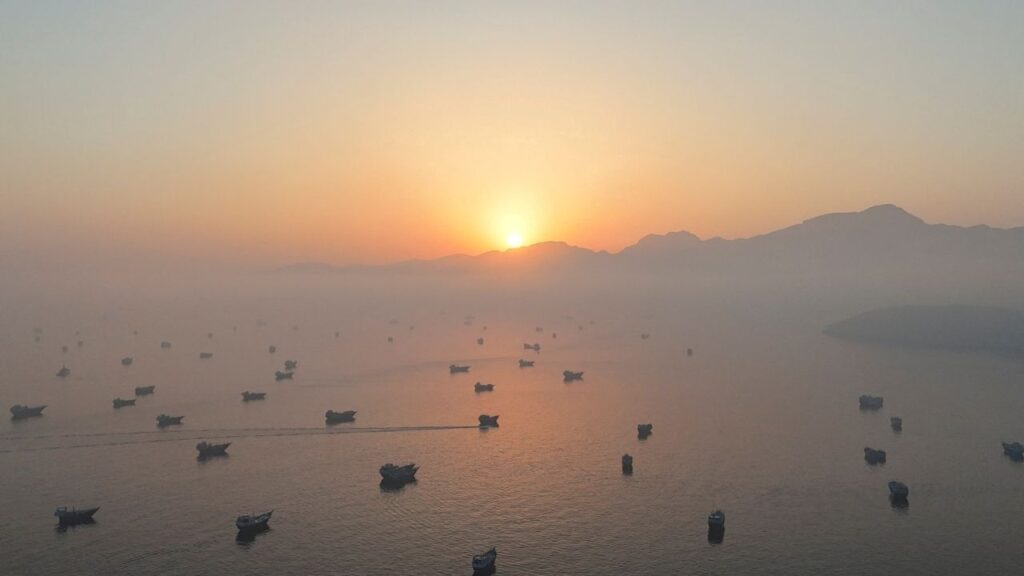
Shipping through the Strait of Hormuz slowed over the weekend, data showed on Monday. Five commodity vessels transited the strait on Saturday, with none registered for Sunday, ship-tracking data from Kpler showed, versus 31 for the prior weekend.
Before U.S.-Israeli attacks on Iran began in late February, the strait handled about one-fifth of global oil and liquefied natural gas supplies.
Meanwhile, ADNOC sold at least 14 million barrels of spot crude to Asian refiners at premiums in its latest tender, trade sources said on Monday.
Saudi Aramco is offering crude oil outside of the Strait of Hormuz to some Asian refiners, two sources with knowledge of the matter said on Monday.
(Reporting by Georgina McCartney in Houston, Anushree Mukherjee in Bengaluru; Additional reporting by Stephanie Kelly, Florence Tan and Sethuraman NR; Editing by Edwina Gibbs, Kirsten Donovan and Mark Potter)