


WASHINGTON — U.S. officials believed that Israel might have been plotting to kill Iran’s top negotiators while Washington was engaged with Tehran in delicate talks this spring to reach an interim peace deal, according to current and former U.S. officials.
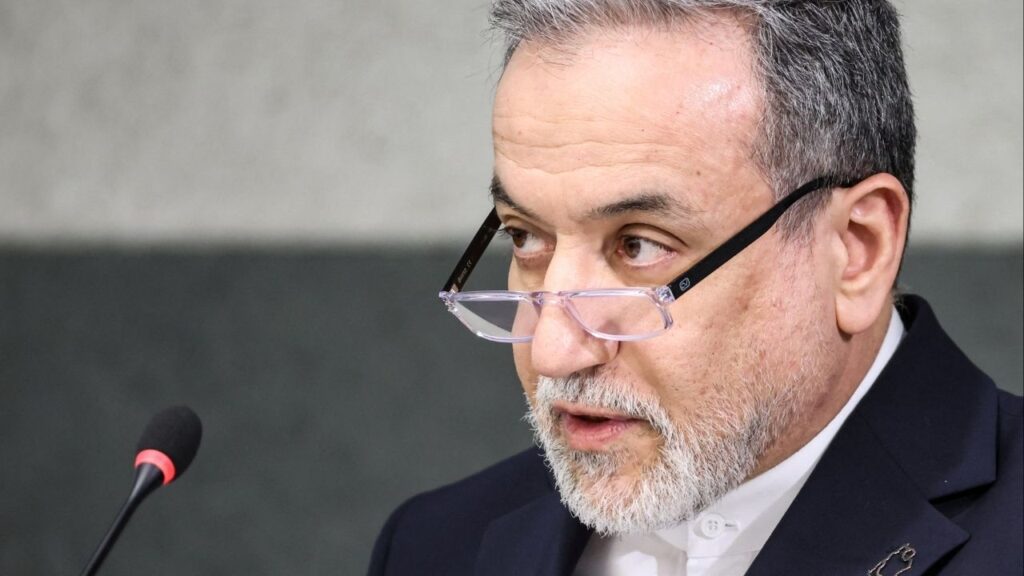
Killing senior Iranian leaders had been part of Israel’s strategy from the start of the war. But America’s concerns about the targeting of two particular Iranian officials — Abbas Araghchi, Iran’s foreign minister, and Mohammad Bagher Ghalibaf, the speaker of the parliament — spiked during delicate ceasefire negotiations that began in April.
Fearful that an Israeli assassination effort would doom the negotiations, the United States, according to some of the officials, went so far as to ask other countries in the region to warn Iran about the possibility Israel could target the two officials.

U.S. officials acknowledged that during the intense phase of the war, Araghchi and Ghalibaf, as senior government officials, could have been legitimate targets for Israel, which was intent on toppling Iran’s hard-line government. But after the negotiations started in earnest in April, U.S. officials believed that any attempt to kill the Iranian leaders would end the talks and reignite the fighting.
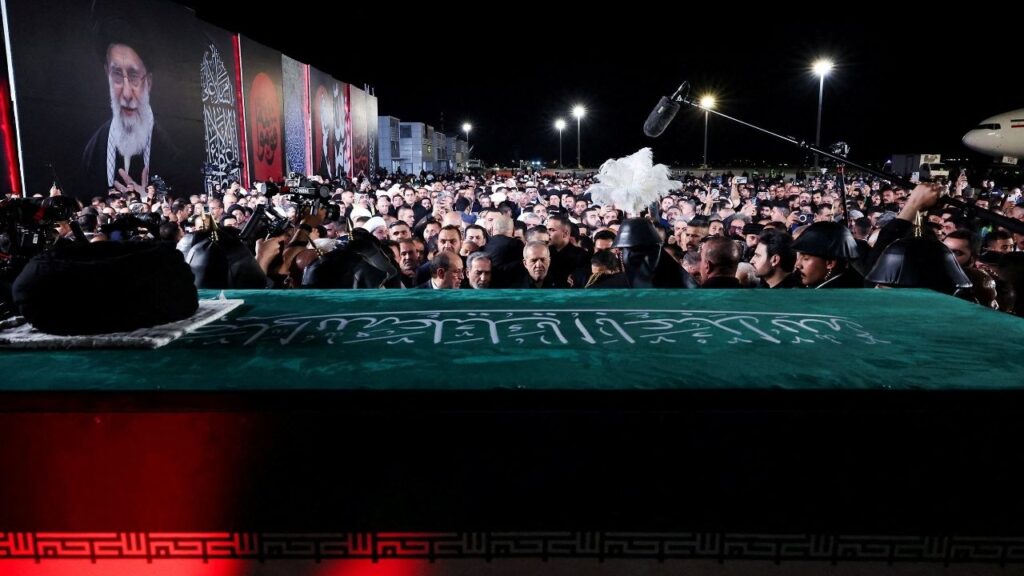
The war began Feb. 28 with an Israeli strike that killed the supreme leader, Ayatollah Ali Khamenei, and other top officials, based in part on U.S. intelligence.
While U.S. strikes focused on Iran’s navy and missile forces, Israel prioritized targeting the leadership in the early phase of the war, intent on killing as many high-ranking officials as it could. That included killing potentially more pragmatic leaders that the Trump administration had hoped to negotiate with.
The Trump administration’s suspicions about the possible Israeli plot to kill the two top negotiators show how the U.S. and Israeli war aims, which were close at the very beginning of the war, quickly diverged radically. And while the United States wanted a peace agreement, Israel has been skeptical from the initial cessation of hostilities in April.
The initial two-week ceasefire in April was met with grudging Israeli official support and broad public concern in Israel that the United States was ending the war too early. Rather than being driven from power, the theocratic government of Iran had become even more hard-line, and Iran’s Revolutionary Guard had only consolidated its control over the country.
A spokesperson for the Israeli Embassy in Washington declined to comment.
—
This article originally appeared in The New York Times.
By Julian E. Barnes and Farnaz Fassihi
c. 2026 The New York Times Company