
|
Getting your Trinity Audio player ready...
|
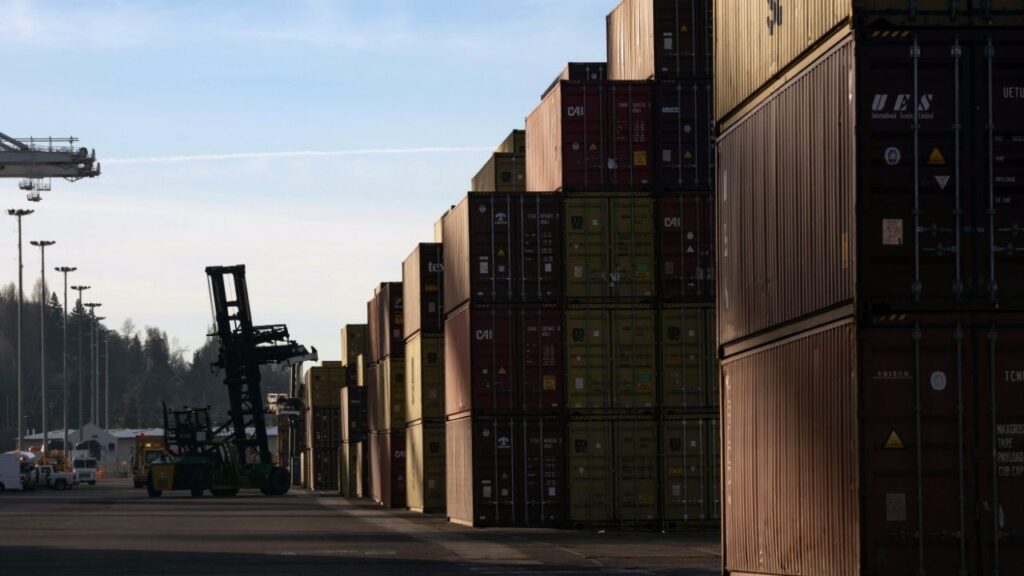
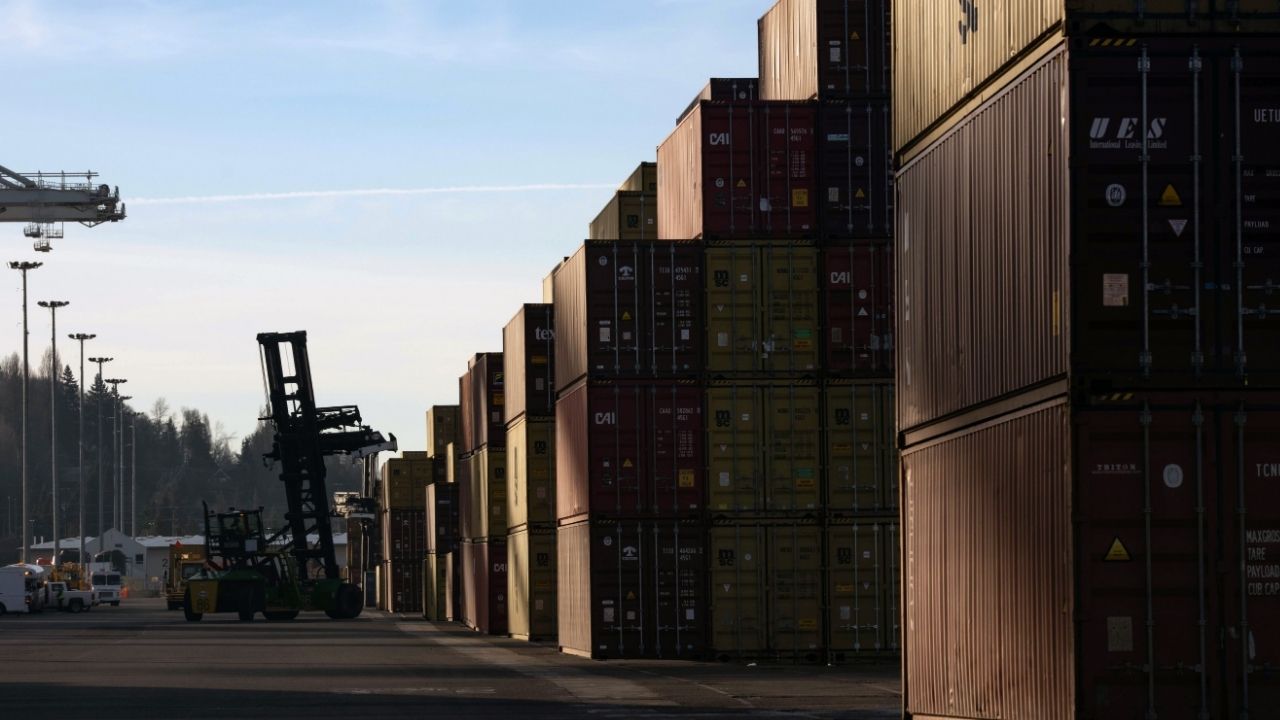
The United States trade deficit in goods and services widened to $77.6 billion in May as the U.S. imported more goods than it sold abroad. U.S. exports of goods and services fell 3.2% in the month, to $317.7 billion, according to data the Commerce Department released Tuesday.
Imports rose, climbing 3.3% from the previous month, to hit $395.3 billion, as the United States imported electronics to equip new data centers and other foreign products.
The combination increased the monthly trade deficit, the gap between what the United States imports and what it exports. The U.S. trade deficit in goods and services bounced up more than 42% from the prior month.

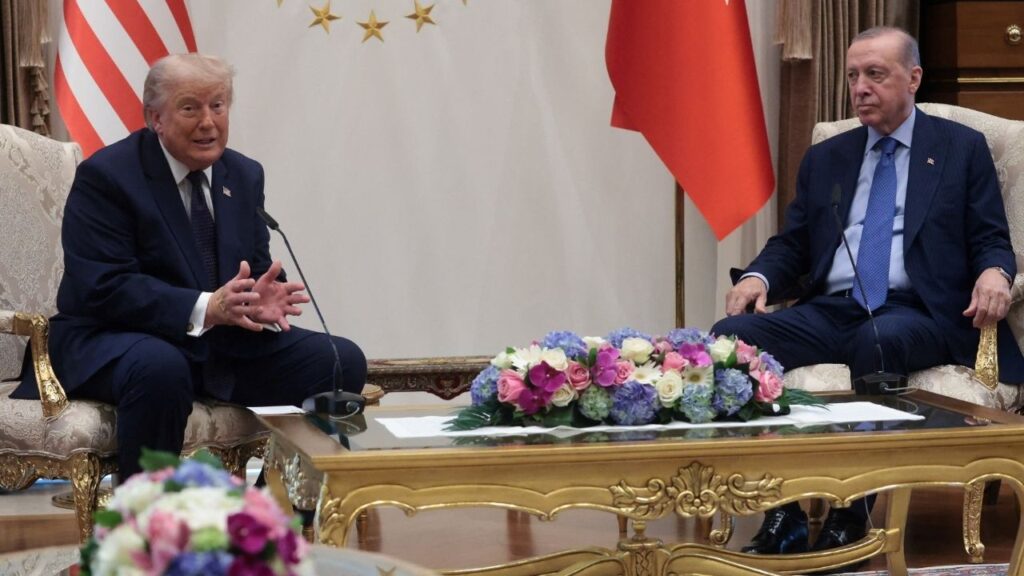
The Trump administration has sought to reduce the trade deficit with a vast swath of tariffs on foreign goods. Those levies have caused imports, exports and the trade deficit to fluctuate wildly since President Donald Trump came into office.
Imports of some goods have fallen, but strong U.S. demand for artificial intelligence-related technology, foreign medicines and other goods have helped to prop up trade.
The war in Iran has also affected trade, as the closure of the Strait of Hormuz scrambled supply chains for oil fertilizer, product packaging and helium. In April, the U.S. trade deficit fell on a monthly basis, as the closure boosted U.S. exports of oil and petroleum to a new monthly record.
U.S. importers are currently bracing for another significant shift in trade policy. The administration has been working on a new round of levies after the Supreme Court in February struck down the double-digit tariffs Trump imposed globally last year.
In February, the administration issued a flat 10% duty on every trading partner as a stopgap measure, but the authority for that tariff is time limited and expected to expire later this month.
To replace it, the Trump administration has been preparing two major trade investigations using a provision known as Section 301, which will most likely return tariff rates to the levels seen before the Supreme Court decision. One investigation relates to other countries’ restrictions on importing forced labor goods, while the other looks at the tactics countries use to unfairly prop up their factory sectors.
—
This article originally appeared in The New York Times.
By Ana Swanson/Ruth Fremson
c. 2026 The New York Times Company