


|
Getting your Trinity Audio player ready...
|
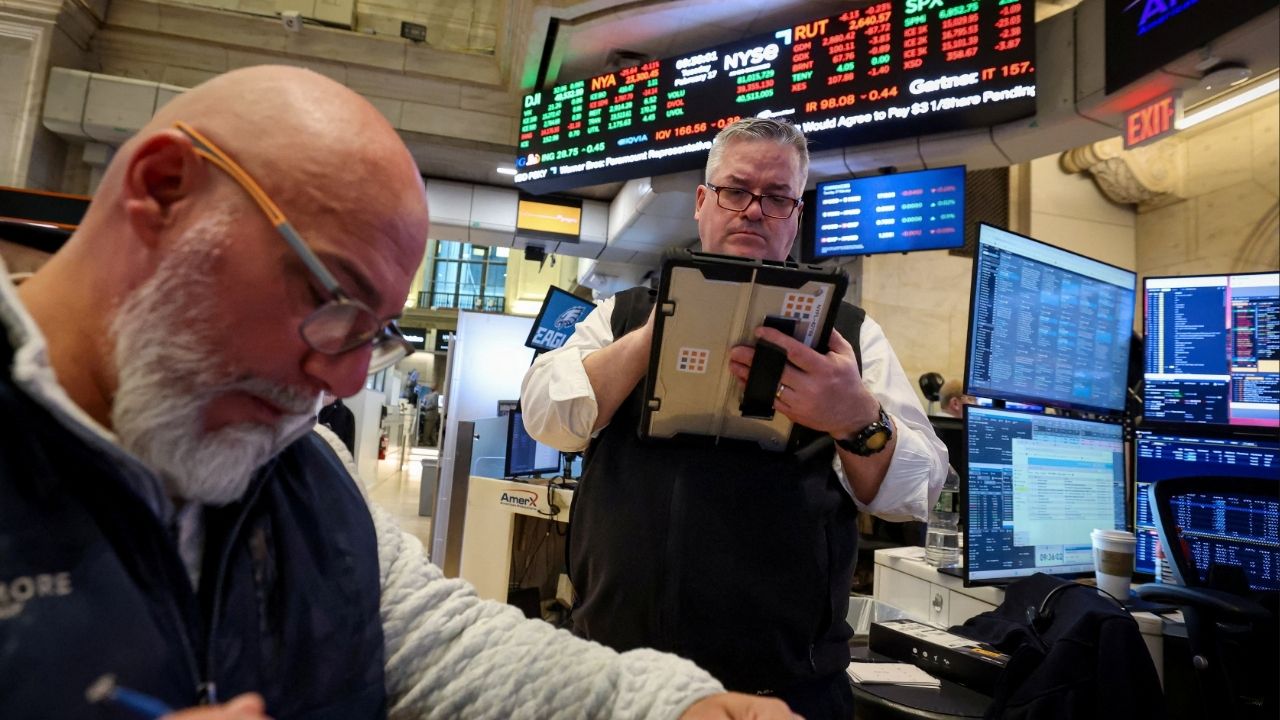
Oil prices spiked late on Tuesday on renewed fears that a tenuous peace between the U.S. and Iran was faltering, while U.S. stocks fell, led by technology shares on investors’ concerns about the longevity of the AI-driven rally.
All three major U.S. indices ended the day in negative territory, with the tech-heavy Nasdaq Composite suffering the steepest decline, falling 1.16% to 25,818.69. The Dow Jones Industrial Average lost 0.25% to 52,925.15, and the S&P 500 <.SPX> dropped 0.45%, to 7,503.85.
MSCI’s gauge of stocks across the globe fell 0.64% to 1,121.20.

The selloff began following blockbuster results from Samsung Electronics, even though the firm forecast a 19-fold jump in April-June operating profit to 89.4 trillion won ($58.4 billion), the third straight quarter of record operating profit for the world’s largest memory-chipmaker.
Rather than reassuring investors, the results triggered selling in Samsung and rival SK Hynix shares. Investors have increasingly questioned whether profit growth linked to artificial intelligence can be sustained if supply bottlenecks in key components such as memory chips ease. Further weighing on markets was a Reuters report that Chinese startup DeepSeek was developing its own AI chip, which could reduce its reliance on other major chipmakers to train and run its AI models.
Market pessimism was exacerbated by an apparently worsening situation in the Middle East, after Qatar blamed Iran for an attack on several vessels in the Strait of Hormuz, with one LNG tanker forced to evacuate its crew due to the risk of explosion, Reuters reported.
The situation escalated as the White House revoked a license it granted Iran to sell oil, part of an effort to ease tensions from the three-month war that had upended global energy supplies. The two nations are continuing negotiations towards a final agreement to end the conflict.
Oil prices settled 3% higher on Tuesday, and then extended gains post-settlement. U.S. crude was last up 5.3% to $72.20 a barrel and Brent rose to $76.09 per barrel, up 5.9%.
“The U.S. reimposing sanctions on Iran is a major escalation,” said Josh Young, chief investment officer at Bison Interests. “Iran may respond with force, further limiting exports through the Strait of Hormuz, and risking $100+ oil prices again in the near term.”
NATO Meets in Turkey
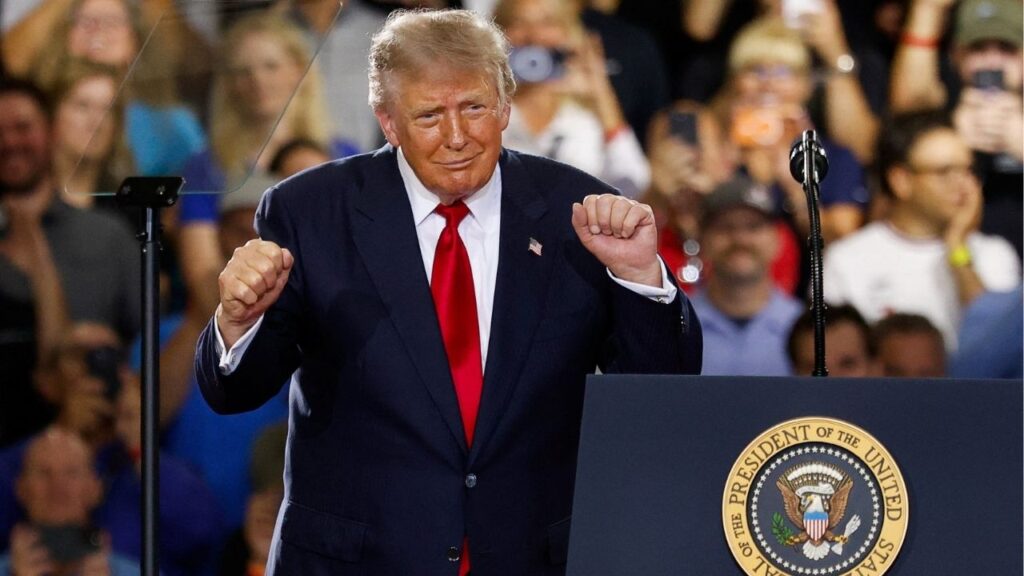
NATO leaders met in Turkey Tuesday, where European leaders unveiled arms deals worth tens of billions of dollars. However, U.S. President Donald Trump expressed frustration at what he said was insufficient support for the U.S.-Israeli war on Iran, and again resurfaced calls for the U.S. to gain control of Greenland from Denmark.
NATO allies were also expected to discuss plans for a multinational maritime mission in the Strait of Hormuz along the sidelines of the summit with Gulf Arab foreign ministers.
Trump said on Monday the U.S. would either reach a deal with Iran or “finish the job,” renewing his threat of military action as Tehran projects defiance following the funeral of Supreme Leader Ayatollah Ali Khamenei.
In currency markets, the dollar index, which tracks the U.S. currency against six others, was up 0.21% to 101.07, while the euro slid 0.24% against the dollar.
The yen hovered above 40-year lows, and was last at 162.06 per dollar. Traders were alert for intervention given signs of a possible shift in strategy by Japanese authorities.
The yield on benchmark U.S. 10-year notes was up 7.01 basis points to 4.549% ahead of the Wednesday release of the minutes of the Federal Open Market Committee’s latest meeting. These may give investors more of a steer on how new Federal Reserve chair Kevin Warsh is approaching monetary policy.
(Additional reporting by Satoshi Sugiyama in Tokyo and Amanda Cooper in London; Editing by Mark Potter, Kevin Liffey and Aurora Ellis)