


|
Getting your Trinity Audio player ready...
|
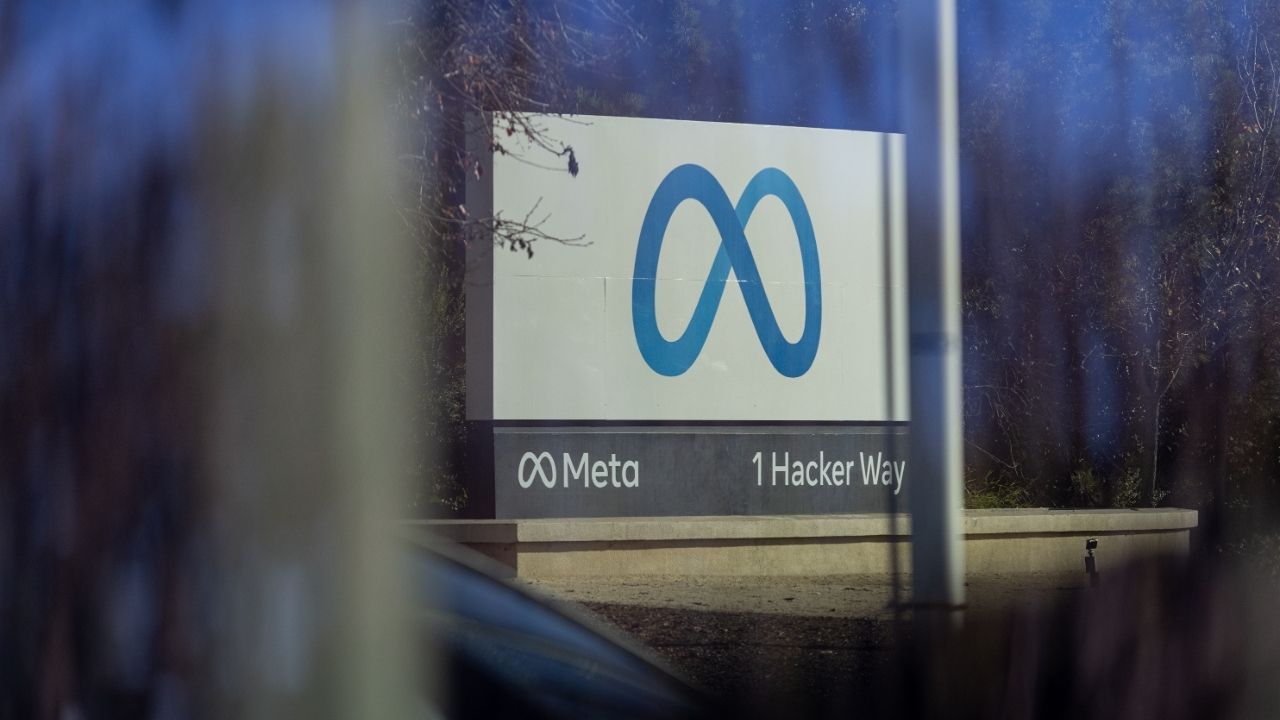
Meta on Wednesday reached a landmark settlement with 47 states, the District of Columbia and U.S. territories, agreeing to pay up to $17.1 billion in penalties and make major changes to its products over claims it endangered children with addictive social media platforms.
In a dramatic capitulation, the owner of Facebook and Instagram agreed to the financial penalties for violating federal child privacy and states’ consumer protection laws, the states announced. Meta also agreed to limit how long teenagers can spend on its platforms and to bans on features that stoke mental health issues, striking at the heart of the company’s business of engagement for advertising.
The settlement effectively ends a bellwether federal trial in the U.S. Northern District of California in Oakland, California, where California, Colorado, Kentucky and New Jersey were seeking roughly $200 billion over accusations that Meta harmed children. The states filed their agreement with Meta on Wednesday morning in that court, where Judge Yvonne Gonzalez Rogers is expected to approve it.

Meta still faces numerous other lawsuits from school districts and individuals, some of which are scheduled for trial in the coming months.
The settlement could signal an inflection point for a social media industry that has largely escaped regulatory scrutiny over the harms its products have caused children. The settlement amount is one of the highest ever paid by a tech company to states.
Meta will initially pay about $12 billion. That sum increases to $17.1 billion if Snap, TikTok and YouTube also settle with the states and agree to financial penalties and product changes.
“Meta wouldn’t settle unless it sees the writing on the wall and feels really exposed,” said Nora Freeman Engstrom, a law professor at Stanford University.
Colorado’s attorney general, Phil Weiser, said the company’s agreement to monetary relief and product changes “is very meaningful and well beyond what any court has ordered or is likely to order.”
“The focus of this case was to protect our kids: stopping notifications and alerts at night and when they are in school, encouraging them to take breaks from social media, protecting them against harmful features, implementing age-assurance technology and more,” Weiser said in a statement.
The agreement may also play into other legal claims against Meta, TikTok, YouTube and Snap, the owner of Snapchat. States, schools and teenagers have filed thousands of lawsuits against the tech companies, accusing them of targeting young users with product features that are as addictive as cigarettes or digital casinos, drawing inspiration in part from a legal playbook used against Big Tobacco in the 1990s.
The tech companies have argued that they have added safety features for children and are protected by a law, Section 230 of the Communications Decency Act, which shields companies from liability for what their users post.
Some of the lawsuits were grouped into a series of bellwether personal injury cases brought by individual teenagers in California state court; some are scheduled for trial in October.
A separate group of federal cases is being heard in Oakland, of which some states were a part. School districts have also brought cases accusing the companies of public nuisance for the costs that schools have shouldered from social media addiction.
Meta has faced an uphill battle with some of these lawsuits. In March, Meta and YouTube lost their first personal injury case, paying $6 million in damages. Separately, a New Mexico judge ordered Meta this month to pay penalties totaling nearly $1 billion in a case brought by the state attorney general for violations of consumer protection laws.
The company’s decision to settle acknowledges its vulnerability as the trials have shaped a negative narrative about its treatment of young users. Mark Zuckerberg, Meta’s CEO, has had to defend himself against evidence that he knew of harms caused to children. He had been expected to testify again at the trial in Oakland.
Last month, Meta said it had spent about $2 billion in the second quarter alone to handle its legal challenges.
The agreement also ends a trial brought by Tennessee’s state attorney general against Meta for consumer protection violations.
The settlement will effectively force Meta to make major product changes for all U.S. users. The company agreed to interrupt endless scrolling and to impose two-hour daily time limits on Instagram and Facebook. To avoid addictive use and sleep interruptions, the company will limit usage between midnight and 6 a.m. and silence notifications between 10 p.m. and 7 a.m.
Meta will also limit features that psychologists link to negative social comparisons, such as beauty filters and a tallying of the “like” button clicks. It will also strengthen age verification tools and parental controls.
“This is a monumental public health victory for young people in D.C. and across the country, and the safety features Meta is required to install will fundamentally and immediately change how young people use Instagram and Facebook,” Brian Schwalb, the attorney general of the District of Columbia, said in a statement.
Meta was the first social media company to settle with the states, he added. But it “will not be the last,” he said.
—
This article originally appeared in The New York Times.
By Cecilia Kang and Eli Tan/Jason Henry
c. 2026 The New York Times Company