
|
Getting your Trinity Audio player ready...
|
A top Iranian official said Friday that his country would seek to dampen the effect of economic sanctions after the Trump administration vowed to aggressively tighten the pressure campaign against Iran.
“We must plan for the unjust sanctions so that we can overcome them,” the Iranian official, Mohammad Bagher Ghalibaf, who is the lead negotiator in talks with the United States, told a gathering of Iranian and Iraqi business representatives in Baghdad, according to a post on his social media channel.
The United States has already imposed debilitating sanctions on Iran’s economy and leadership, and the Trump administration has previously sanctioned foreign businesses and organizations that trade with Iran. But Washington suggested this week that officials were preparing measures to target countries that buy Iranian oil.

President Donald Trump has promised an “economic D-Day” against Iran and vowed “tremendous economic consequences” for countries that do business with Iran.
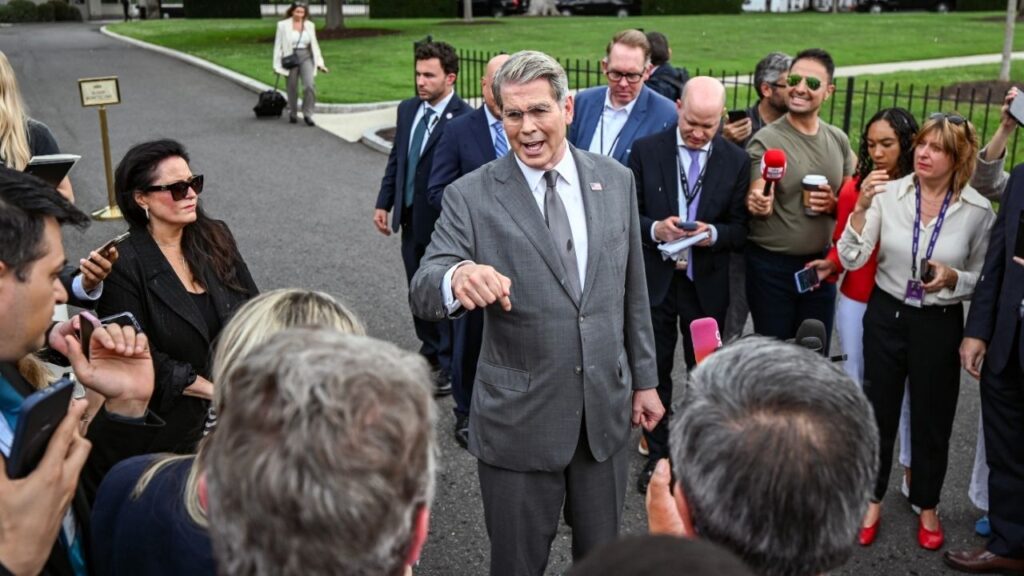
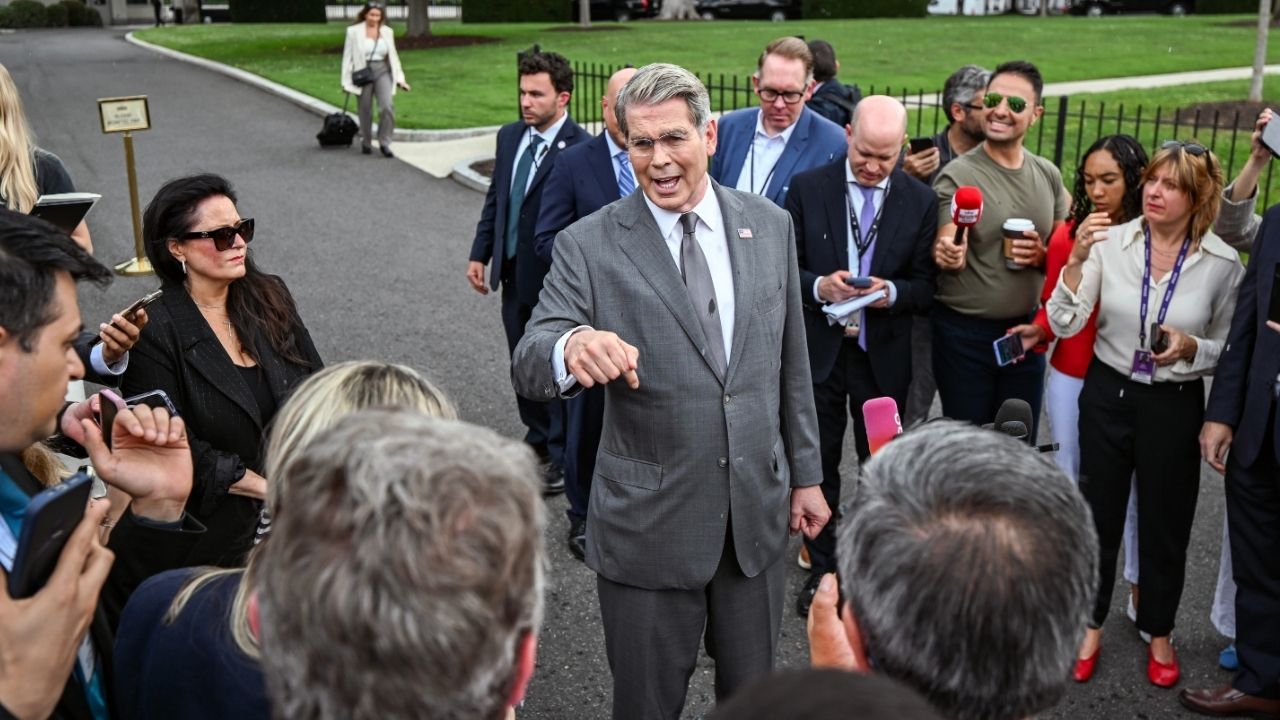
Treasury Secretary Scott Bessent, who is expected to detail the new measures targeting Iran at a news conference Monday, wrote on social media Thursday evening, “Any remaining tie to Tehran will hasten a nation’s economic oblivion, whether that tie be purposefully constructed or willfully ignored.”
Trump’s threats of economic escalation seem to reveal his reluctance to return to the full-blown military confrontation with Iran that began in February with a large-scale U.S.-Israeli attack.
Since a ceasefire in June, the war has settled into an uneasy standoff with little sign of diplomatic progress.
In Baghdad, Ghalibaf told the business representatives, “The Americans and Israelis have realized that they cannot prevail against Iran and Iraq in conventional military warfare.”
“Therefore,” he added, “they have entered into cognitive warfare and economic warfare, and now you are the soldiers and commanders on this battlefield.”
The Trump administration has also taken aim at Iran’s allies in the region. On Thursday, Washington said Hezbollah, the Iran-backed militia in Lebanon, would be designated an affiliate of the Iranian regime under the command of the Revolutionary Guard. The announcement came along with the issuing of new sanctions against 10 individuals accused of working to smuggle cash to the militia.
The United States has designated Hezbollah a terrorist organization since 1997 and has long accused the group of being an Iranian proxy. The announcement on Thursday appeared to formalize Washington’s view that the group was a direct arm of Iran in the Middle East.
Broader sanctions targeting Iran’s ability to export oil would compound Iran’s economic challenges. The war and a U.S. blockade of the country’s ports have crippled key industries, and Iranians are already contending with sky-high inflation.
This week, the United Arab Emirates, a major trading hub for Iran, announced that it was halting all trade and financial transactions with Iran. Analysts say the UAE has been key to Iranian efforts to evade international sanctions, though Emirati officials deny that.
Iran has weathered decades of U.S. sanctions since the 1979 revolution that brought the Islamic republic to power, including by trying to diversify the country’s economy beyond oil. The U.S. naval blockade has severely restricted Iran’s ability to export oil.
On Thursday, Shamseddin Hosseini, chair of the Iranian parliament’s economic commission, said it was important for Iran to reduce reliance on the country’s southern ports, where the U.S. blockade is in place, and to expand trading routes across the land border in the northeast, according to Iranian state media.
“To get out of the current situation, the path of economic policymaking must be changed,” Hosseini said, according to the reports.
China, Iran’s largest trading partner, could be one of the countries most affected by U.S. penalties on importers of Iranian oil. For years, Beijing has defied Western sanctions by buying as much as 90% of Iran’s oil exports, though that represents a marginal share of China’s total oil imports, analysts say.
Lin Jian, a spokesperson for the Chinese Foreign Ministry, said Friday that his country opposed “unilateral sanctions” and called for the sides to resolve their differences through diplomacy.
—
This article originally appeared in The New York Times.
By Aurelien Breeden/Kenny Holston
c. 2026 The New York Times Company