

|
Getting your Trinity Audio player ready...
|
A three-person Minnesota panel including Gov. Tim Walz granted a pardon to an immigrant convicted of sexually abusing a child, drawing accusations that he and other Democrats are impeding federal efforts to expel dangerous foreign criminals eligible for deportation.
The Minnesota Board of Pardons granted the reprieve June 10 to Tou Lue Vang, 42, who came to the United States as a child and was set to be deported to Laos imminently. Vang had submitted a letter to the board expressing regret for the actions that led to his 2005 conviction, and said a pardon could help him stay in the country with his wife and six children.
Vang’s victim, who was 10 when the abuse began, also submitted a letter supporting the pardon. Vang pleaded guilty to first-degree criminal sexual conduct in a plea deal that spared him from serving time in prison.

The pardon effectively wiped clean Vang’s criminal record, providing him an avenue to fight deportation.
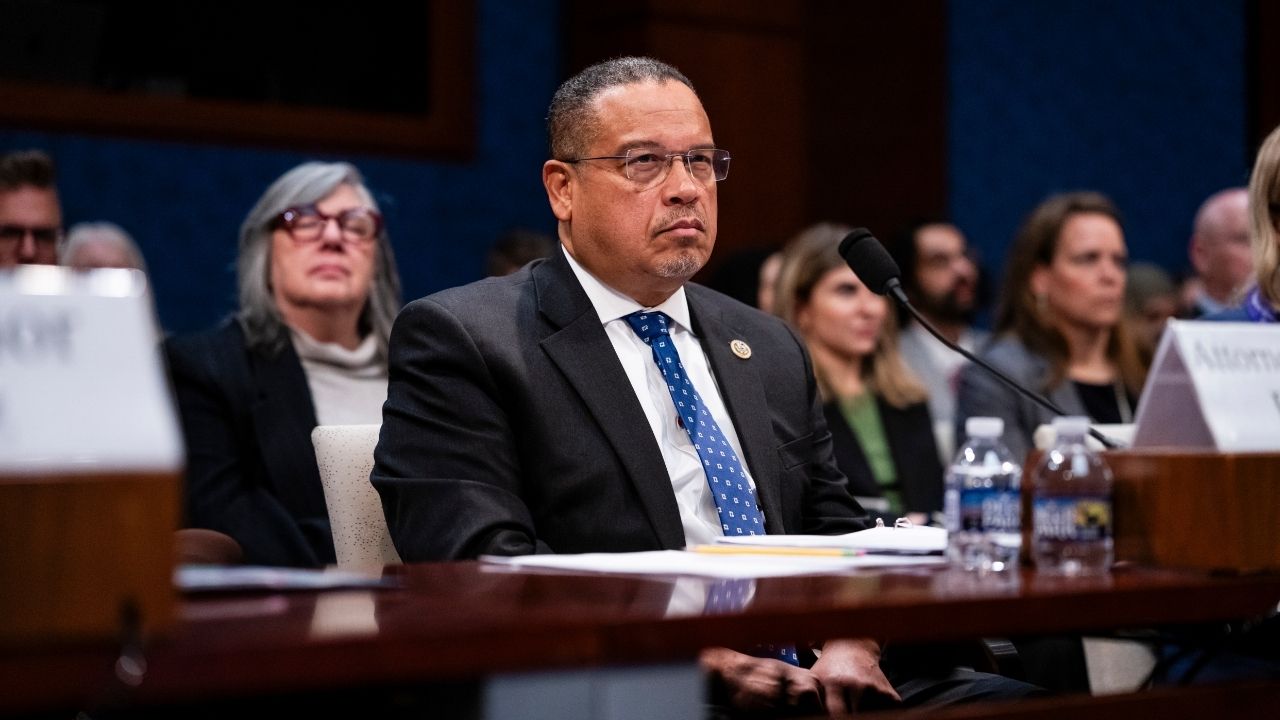
Trump administration officials criticized the pardon, denouncing Walz and other Democratic leaders in the state. The other two members of the pardon board are Attorney General Keith Ellison and the state’s chief Supreme Court justice, Natalie Hudson.
“These are the criminal illegal aliens he and his Minnesota sanctuary politicians are protecting,” Lauren Bis, a spokesperson for the Department of Homeland Security, which oversees immigration enforcement, said of Walz in a statement.
“Tou Lue Vang lost his legal status following his conviction for repeatedly sexually assaulting a 10-year-old girl,” Bis said, confirming that the pardon would remove the criminal sexual conduct conviction underlying Vang’s removal order.
In response to a request for comment, Walz’s office pointed to the letter the victim provided the board, and said such pleas for clemency carry significant weight. Walz was the Democratic vice-presidential nominee in 2024 and has been a frequent target of the Trump White House, especially over immigration.
“The Minnesota Board of Pardons made a unanimous decision to grant Tou Vang this pardon after an exhaustive process which included a statement of support for the pardon from the victim, a recommendation to grant the pardon from the Clemency Review Commission and a large number of community support letters,” Ellison’s office said in a statement to The New York Times. It noted President Donald Trump’s own expansive use of executive pardon power.
Hudson declined to comment for this article. During the pardon hearing, she explained her decision to vote in favor, saying that “we’ve seen some evidence here of rehabilitation, but obviously the victim’s statement here is very significant for me.”
Vang declined a request for comment sent through a lawyer.
Of the more than 400 applications received in Minnesota from March 2025 to June 2026, around 67 — or 16% — mentioned immigration as a reason for seeking a pardon, according to data provided by Minnesota’s Clemency Review Commission. Last year, the board granted 121 pardon applications and denied 14. So far this year, it has granted 83 and rejected five.
Walz and other members of the Minnesota pardon board have stressed that the threat of removal is one factor among many that they consider, and have rejected others seeking relief from deportation. So far this year, the board has denied at least four pardons to people convicted of sex crimes, three of whom were facing deportation.
On the same day Vang received a pardon, the board denied clemency to another man who was facing deportation to Laos. They deemed him insufficiently remorseful for his past convictions, which included participating in the group rape of a 12-year-old girl.
According to Vang’s pardon application, he was born in a refugee camp in Thailand in 1983. Court documents show that he was admitted to the United States as a refugee in 1994, when he was a child, and became a permanent resident soon afterward.
He eventually settled in Minnesota with his family. In doing so, they joined a large community in Minnesota of Hmong, many of whom supported the CIA during the “secret war” against the Communists in Laos.
Vang was around 18 when he began abusing the girl, who was then 10 years old. Vang initially tried to defend his actions upon his arrest in 2005.
When a detective interviewed Vang, he acknowledged having had sexual contact with the girl and called it a “minor thing,” according to a criminal complaint. Vang blamed cultural norms in Thailand, according to the complaint.
The conviction led immigration officials to seek his deportation, and an immigration judge ordered him removed in 2006. But because Laos refused to accept deportees in large numbers, many ethnic Laotians and Hmong, including Vang, were allowed to remain in the United States on supervised release.
That changed early last year when Trump returned to office, and Laos began to accept many of these stateless deportees with decades-old removal orders. Hundreds of people have since been deported to Laos.
In December, immigration authorities detained Vang as part of what the Trump administration has called Operation Metro Surge in Minnesota.
According to his pardon application, Vang has held various jobs, most recently as a custodian at a Minnesota-based wholesale company. After his conviction, court records show that Vang did not commit any further crimes, apart from petty traffic violations.
In Vang’s pardon application, filed last year, he pointed to these decades as evidence of his rehabilitation, arguing that he had taken “full responsibility for the mistakes I made in the past.”
“The shame and regret I carry — especially as my children have grown older and learned about my past — run deep,” he wrote. “If it were possible to undo what happened, I would do so without hesitation.” He said he had no surviving relatives in Laos.
—
This article originally appeared in The New York Times.
By Hamed Aleaziz, Ernesto Londoño and Amy Qin/Eric Lee
c. 2026 The New York Times Company









![[hubspot type=form portal=8576119 id=f5235c74-daca-46b2-b841-0fec24b5a509]](https://gvwire.com/wp-content/uploads/2026/09/GVH_LaborDaySavings_300x250_static.jpg)