
|
Getting your Trinity Audio player ready...
|
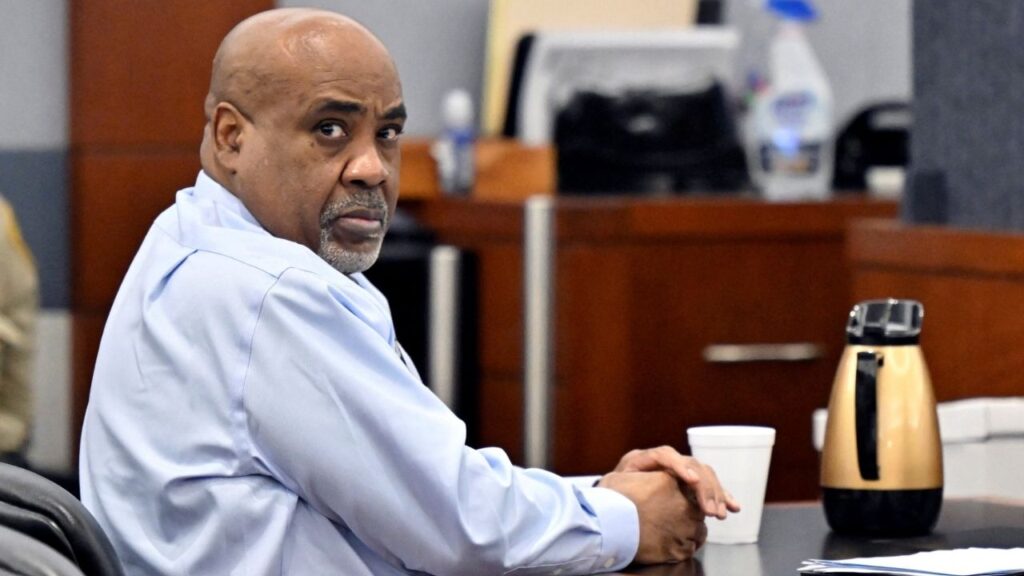
The ex-gang leader accused of orchestrating the drive-by killing of Tupac Shakur made public admissions that led to his arrest, but his lawyer had an unusual message for jurors this week: do not take his client’s “bullshit” seriously.
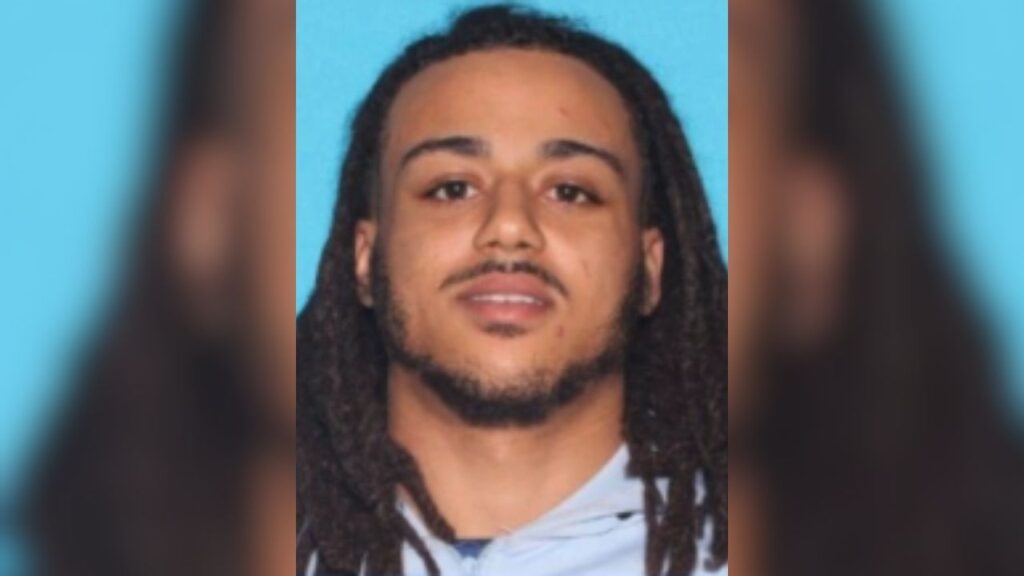
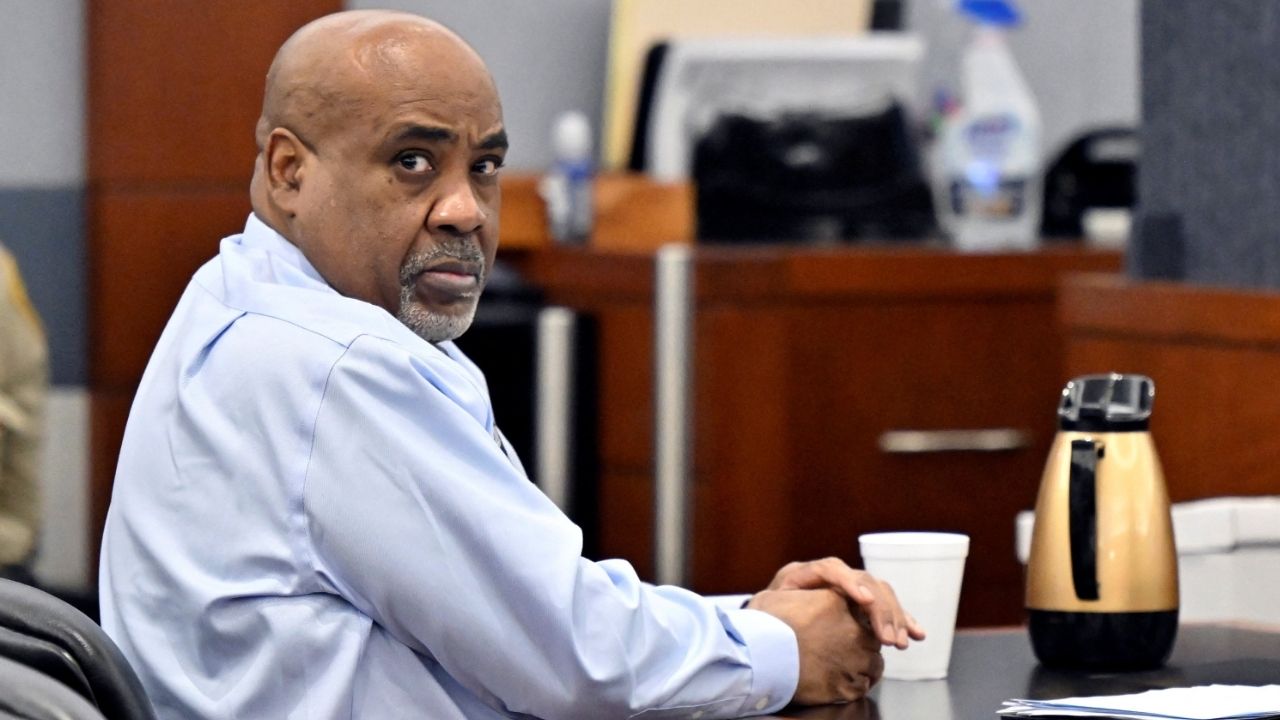
Duane “Keffe D” Davis, 63, arrested 27 years after the hip-hop star died in 1996 near the Las Vegas Strip, is currently on trial for Shakur’s killing and has pleaded not guilty. Police said they long suspected Davis but only had enough evidence after he said in media interviews and a 2019 book that he was riding in a Cadillac with Tupac’s assailants and handed the gun to the men sitting behind him.
Criminal defendants often attack evidence against them by saying it cannot be corroborated by other facts. In his opening statement earlier this week, the defense lawyer for Davis flipped the script.

“What facts do you have to support any of what Keffe D said in any of his interviews or the book?” attorney Michael Sanft told jurors, displaying a slide in his presentation with a single word: “BULLSHIT.”
The strategy is Davis’ best and only bet, according to defense lawyer and former prosecutor Catherine Christian, who said the defense sometimes arises in cases against clout-chasing gang defendants or rappers confronted with incriminating lyrics.
Christian said the jury might be convinced Davis told a tall tale to boost sales of his memoir.
“It’s his only defense, and it’s a good one,” said Christian.
However, calling your client a liar can be risky when you need to convince jurors his new story is the truth.
“You create this paradox,” said defense attorney Neil Rockind, who is following the case.
Sanft, his law firm and the Clark County District Attorney’s Office did not respond to requests for comment.
Shakur’s killing in 1996 became a seminal moment in rap history and heightened hip-hop culture’s violent image during “gangsta” rap’s heyday, an era defined by feuding between East and West Coast artists.
‘Mastermind’ With Gun
Davis said in his book “Compton Street Legend” that he wanted revenge after Shakur and associates including rap producer Marion “Suge” Knight beat up his nephew at Las Vegas’ MGM Grand casino on September 7, 1996.
“Them jumping on my nephew gave us the ultimate green light to do something to their ass,” Davis wrote.
Later that night, Davis wrote he was riding with three other men in a white Cadillac and handed a gun to two men in the backseat, one of whom opened fire when they found Shakur and Knight’s car.
Police never identified the shooter but called Davis the “mastermind” who obtained the gun. Nevada law permits Davis to be charged with murder if he took part in the crime without pulling the trigger.
In his opening statement, Sanft told jurors to question whether prosecutors or Davis himself have enough evidence to back up their stories.
The burden of proof is on prosecutors to prove Davis’ guilt beyond a reasonable doubt, and the jury must reach a unanimous verdict to convict.
It is generally risky for defendants to expose themselves to cross-examination by testifying. But taking the stand could be Davis’ only way to explain his about-face to jurors.
He would likely face withering questions from prosecutors about changing his story now that his back is against the wall, said Rockind.
“It’s hard for a witness to quarrel with their own words, and here the entire defense strategy is wrapped around doing that,” Rockind said.
The heavily publicized trial is expected to last up to six weeks. Shakur’s relatives, who are attending the trial, say they hope it can finally bring closure.
That will be up to jurors, who have a chance to decide whether Davis’ story is the truth – or just another gangland tall tale.
—
(Reporting by Jack Queen in New York; Editing by Noeleen Walder and Deepa Babington)