
|
Getting your Trinity Audio player ready...
|
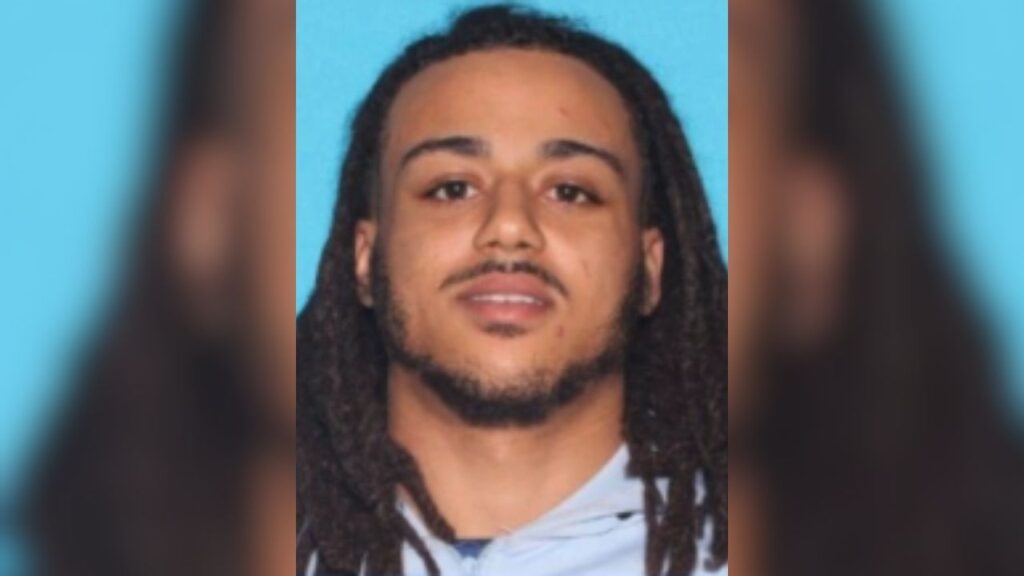
Federal prosecutors are trying again to convict a 30-year-old man accused of starting one of the most destructive fires in California history, recasting the charges against him after a stunning mistrial.
The effort reflects a push for accountability after the deadly 2025 Palisades fire, even after 10 of 12 jurors voted in June to find the man, Jonathan Rinderknecht, not guilty. A federal judge declared a mistrial.
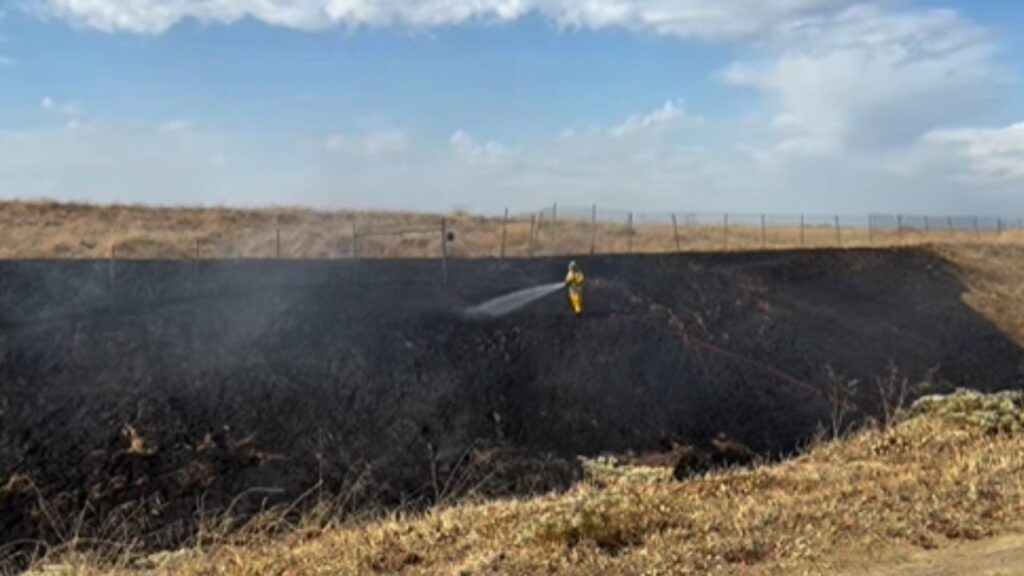
Prosecutors filed a new indictment Aug. 13, shaving the number of arson-related felony charges against Rinderknecht from three to two. One now focuses solely on the Lachman fire, which began on New Year’s and which investigators say smoldered for a week before exploding into the Palisades blaze.

Rinderknecht now faces felony charges of one count of destruction of property using fire — specifically the Lachman fire — and one of arson affecting property used in interstate commerce, which relates to both the Lachman and Palisades fires.
An arraignment is scheduled Wednesday in a downtown Los Angeles federal courtroom before Judge Anne Hwang of the U.S. District Court for the Central District of California. Rinderknecht’s retrial is set to begin Oct. 19.
At Rinderknecht’s first trial, the prosecution argued that Rinderknecht had resented the rich and started the fire with a lighter as “societal revenge.”
But Rinderknecht’s lawyer argued that New Year’s fireworks had set it off.
Prosecutors said that Rinderknecht had been angry that he hadn’t secured plans for the holiday, and his Uber passengers from that night testified that he ranted about capitalism. Late that night, Rinderknecht hiked up a Pacific Palisades trail near where the Lachman fire began.
As the blaze grew, he called 911 more than a dozen times. Prosecutors said he was trying to cover his tracks. Rinderknecht’s lawyer, Steven Haney, said it would be “self-destructive and idiotic” for an arsonist to call authorities rather than leaving immediately.
Haney at the trial said there were gaps in the government’s case. The scene was left unprotected for 12 days, destroying evidence; of 9,000 or so videos compiled in the investigation, none caught the ignition, and no one identified the exact time the fire started, he said.
To Dave Ring, a Los Angeles-based civil lawyer who has no interest in the case, the revised charges represent a “distinction without a difference,” and prosecutors will still face steep challenges.
“I think their case still is going to be incredibly difficult to win,” he said.
Regardless of the outcome of Rinderknecht’s case, the city of Los Angeles and other government agencies could still face civil liability for failures during the fire.
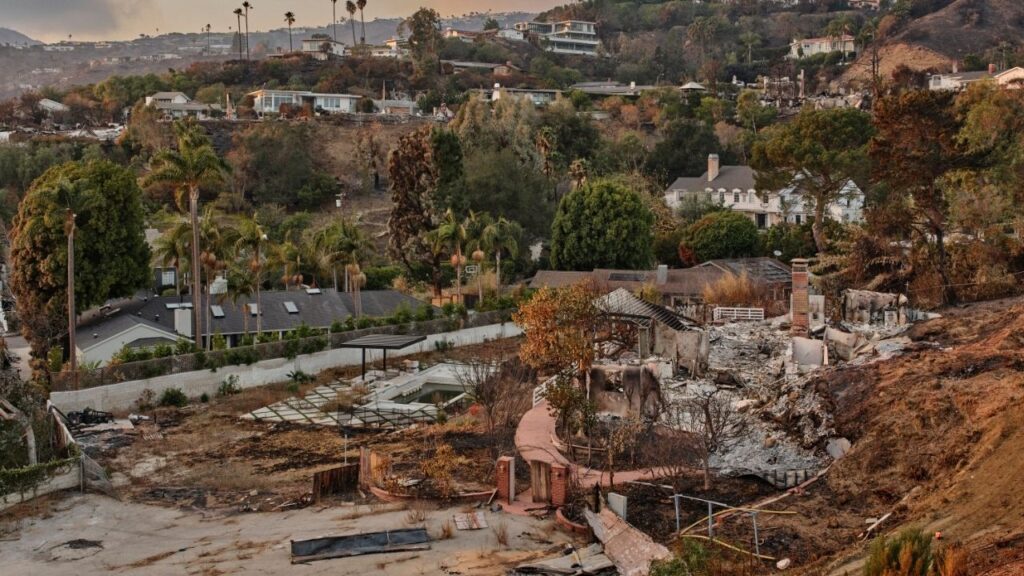
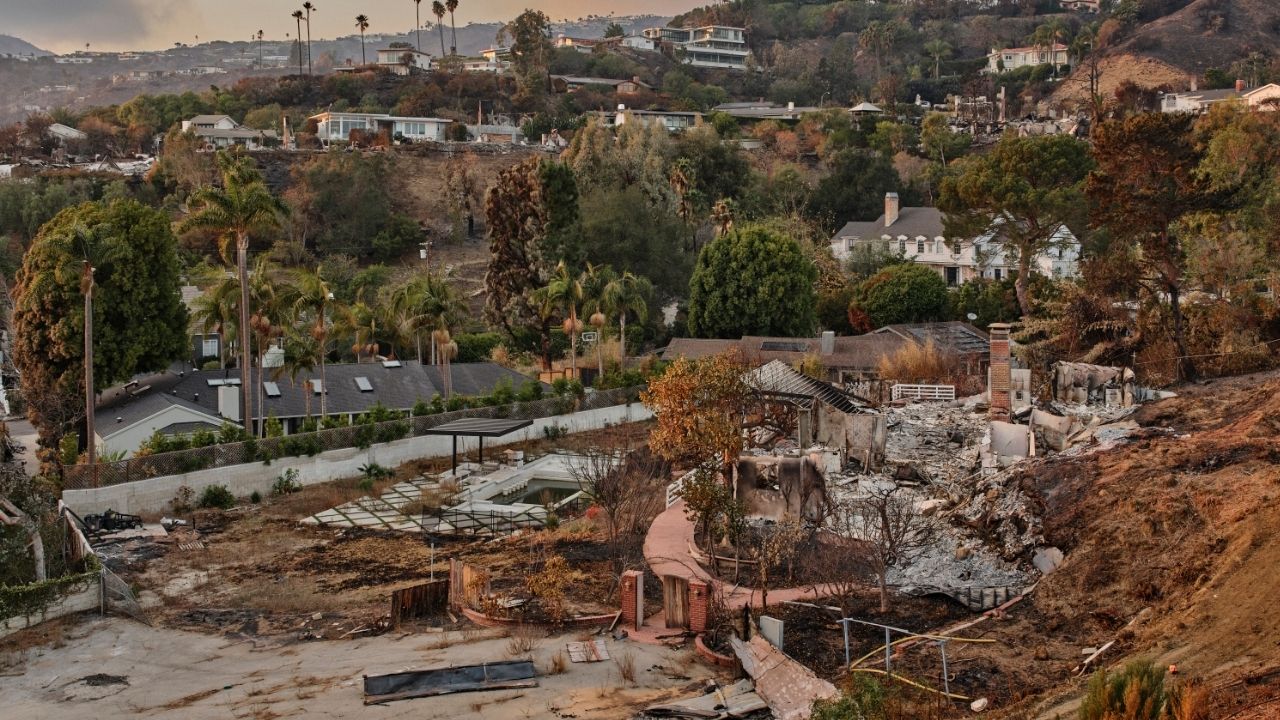
Many residents are still displaced more than a year and a half after the fire killed 12 people and destroyed thousands of homes in the wealthy Pacific Palisades section of Los Angeles.
—
This article originally appeared in The New York Times.
By Maia Spoto/Philip Cheung
c. 2026 The New York Times Company