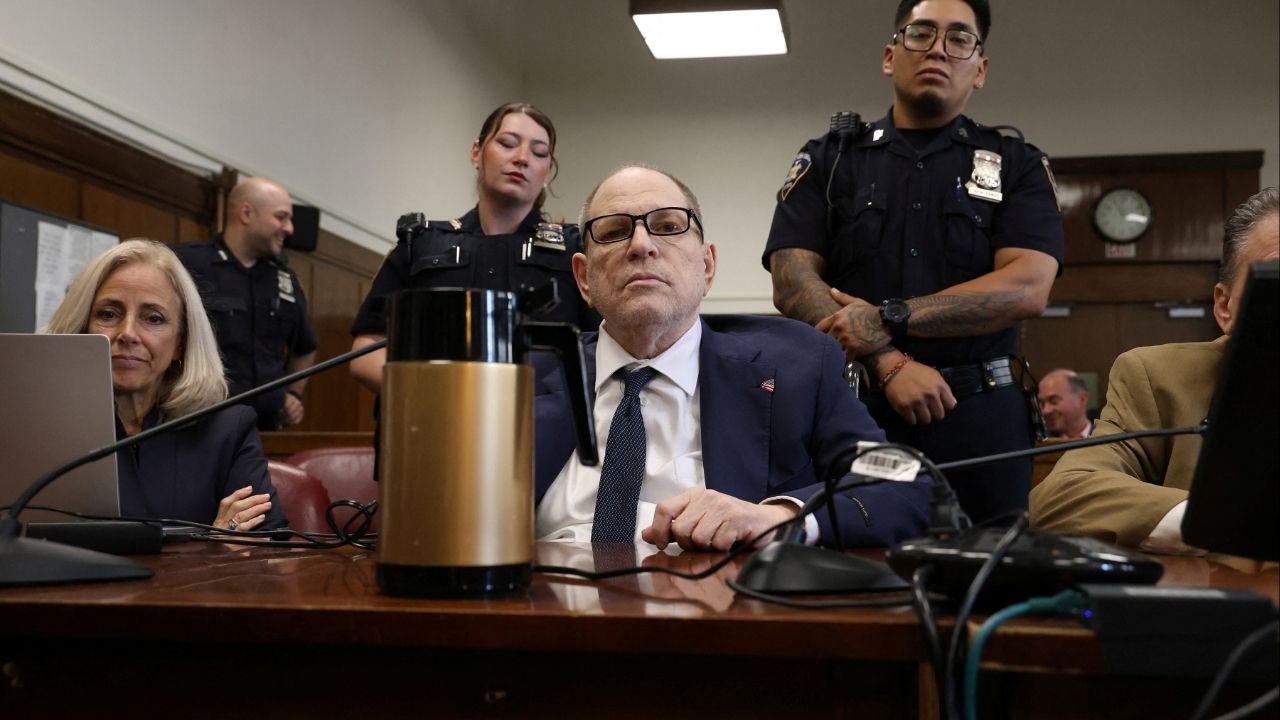

NEW YORK — Harvey Weinstein, the former Hollywood mogul whose downfall fueled the #MeToo movement, was sentenced Wednesday to 15 years in prison for a felony sex crime, bringing an end to his criminal case in New York.
Weinstein, 74, was convicted last year of committing a criminal sexual act against a former production assistant, Miriam Haley, in a bedroom in his SoHo apartment in 2006. Manhattan prosecutors had asked for a 20-year sentence. His lawyers had asked for a sentence of nine years.
Weinstein was first convicted of sex crimes in New York in 2020, including for attacking Haley, and was sentenced to 23 years in prison. But an appeals court overturned that verdict four years later, ruling that Weinstein had been deprived of a fair trial. The judges ordered a new trial.

In a second trial last year, he was again convicted on a single count of criminal sexual act against Haley. But the jury was unable to reach a verdict on another charge and acquitted Weinstein of a third count. Justice Curtis Farber ordered a new trial and said he would wait for the outcome of that trial to sentence Weinstein.
At a third trial this year, the new jury also became deadlocked on the count accusing Weinstein of raping a former aspiring actress, Jessica Mann. The Manhattan district attorney’s office, led by Alvin Bragg, moved to dismiss the remaining charge against Weinstein and said it would not seek to retry him.
The sentencing Wednesday closes another chapter in Weinstein’s criminal legal troubles, which have spanned two states. Weinstein pleaded not guilty to all the charges he has faced in New York and California, and his lawyers have argued that although he may have had relations with the women, he never assaulted them.
The allegations of abuse against Weinstein, first reported by The New York Times and The New Yorker in 2017, touched off the #MeToo movement and soon saw him toppled from his powerful position in the film and television industry.
Public pressure, and revelations that prosecutors had declined to pursue a past report of assault against Weinstein, led the district attorney’s office, then led by Cyrus Vance, to charge him with sex crimes in 2018.
Weinstein has been convicted of similar charges in California and was sentenced to 16 years in prison there. However, in June, an appellate court ruled that Weinstein would have to be resentenced.
Last week, a woman filed a lawsuit in Manhattan state court accusing James Dolan, the owner of the New York Knicks and Madison Square Garden, of physically forcing himself onto her and for unwanted sexual intercourse, as well as for coordinating an encounter with Weinstein, whom she accused of sexually assaulting her.
It is the second time the woman, Kellye Croft, has filed allegations against the two men. In 2024, Croft filed a lawsuit in U.S. District Court in Los Angeles, saying that the encounter happened a decade before, in late 2013 when she was 27 and was hired to work as a massage therapist on a tour for the classic rock band the Eagles. The suit was dismissed by a federal judge.
A spokesperson for Weinstein, Juda Engelmayer, said his client denied the allegations. A spokesperson for Dolan said in a statement that the lawsuit “has no merit.”
In Haley’s case, she testified that Weinstein had invited her to “say hi” at his apartment in SoHo in July of 2006, the night before they were scheduled to attend a premiere in Los Angeles.
Shortly after she arrived, Haley testified, Weinstein backed her into a bedroom, forced her onto a bed, held her down and forced her to let him perform oral sex.
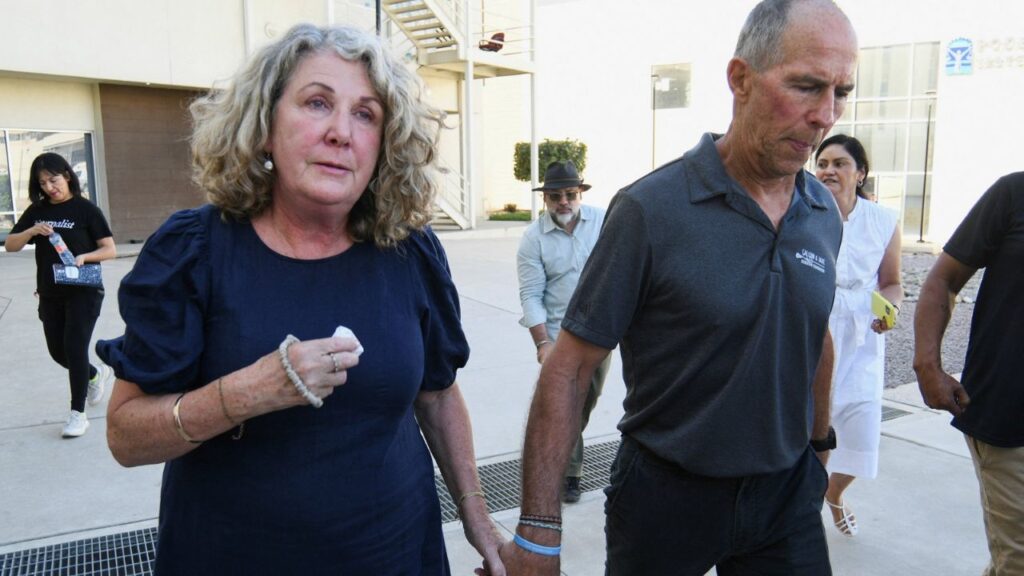
After Weinstein’s conviction last year, Haley stood outside of the courthouse and said she hoped the case was “finally over.”
“It’s just a relief all around,” said Haley, who is expected to speak at the sentencing Wednesday. “And I’m happy that I showed up despite some intimidation tactics by the defense.”
—
This article originally appeared in The New York Times.
By Hurubie Meko
c. 2026 The New York Times Company