
|
Getting your Trinity Audio player ready...
|
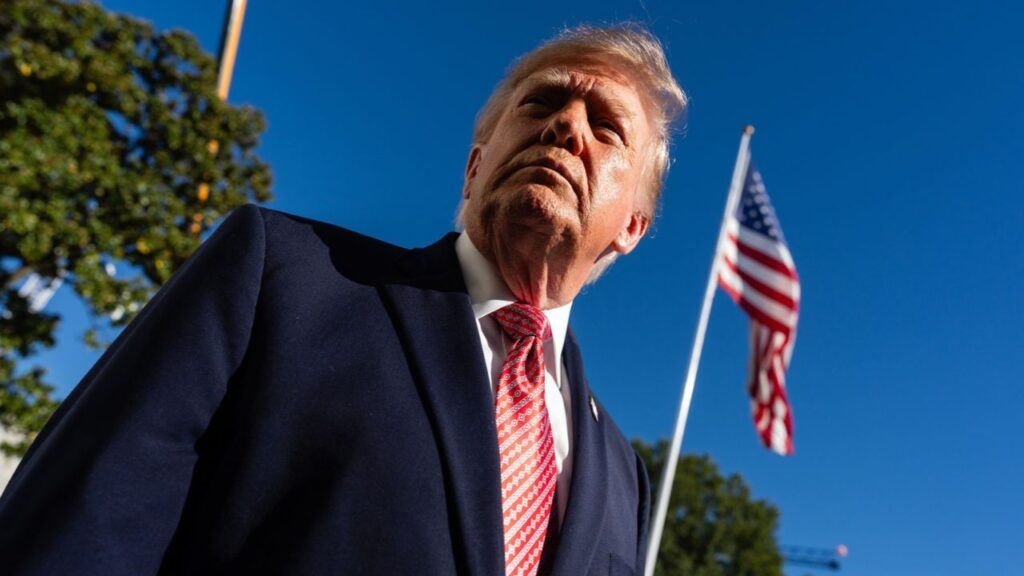
President Donald Trump returned to the White House calling for “mass deportations now,” after anger over illegal immigration drove his voters to the polls in 2024. But two years later, amid high-profile raids and deadly U.S. Customs and Immigration Enforcement shootings, immigration politics have been scrambled once again, creating unpredictable fault lines in the hours leading up to Election Day.
Public polling suggests that voters are now more likely to trust Democrats on immigration policy, although Republican voters remain more motivated by the issue. And while some Latino voting-rights activists worry that recent immigration raids in California and elsewhere could suppress Hispanic turnout, others are optimistic that the opposite is true in some of the most competitive congressional districts in the country.
“Republicans are really out of step with where Americans are with immigration, just like how Democrats were out of step in 2024,” said Sen. Ruben Gallego, a Democrat who won in Arizona two years ago while calling for stricter immigration enforcement. “They wanted the chaos to be done, but what is happening now is not what they wanted. They are not for heavy-handed immigration forces. They are not for racial profiling; they see the sob stories.”

In the first two years of his second term, Trump has moved aggressively to overhaul the nation’s immigration system, and the southern border has largely been shut down. Attempted illegal border crossings have plummeted from a peak of nearly 250,000 in November 2023 to about 11,000 this past August.
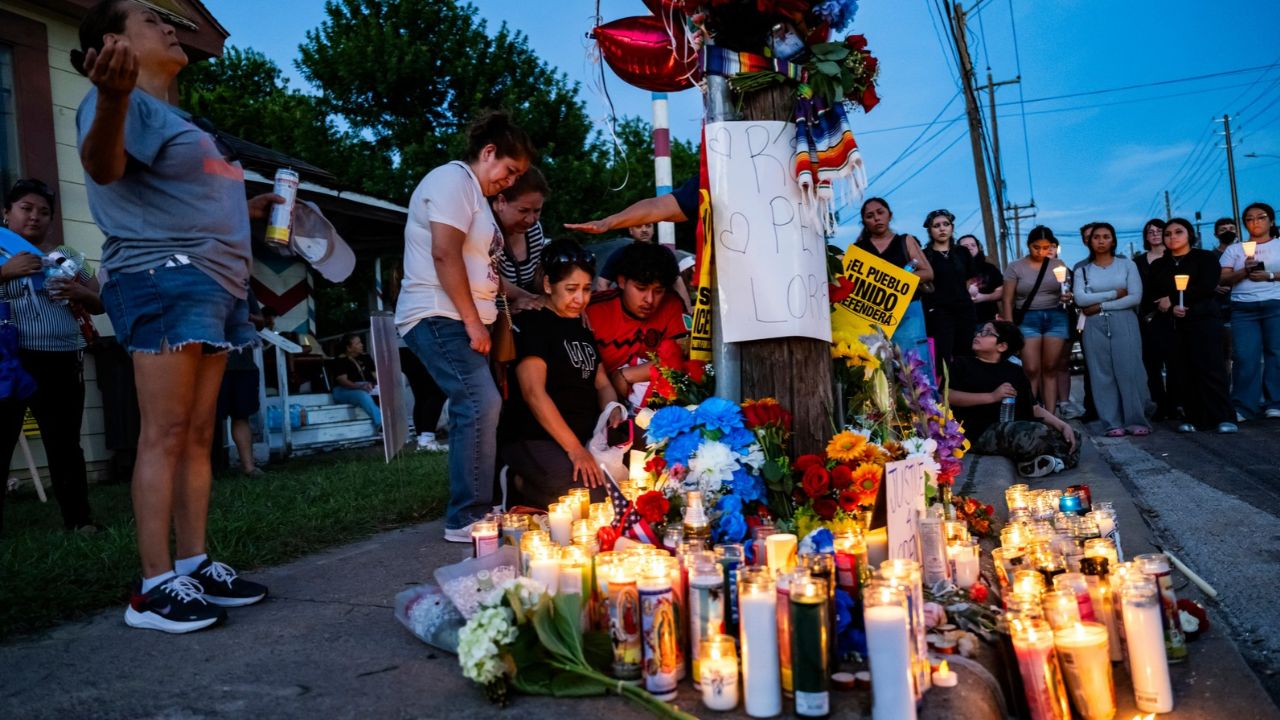
But the administration also unleashed an enormous enforcement apparatus that has drawn widespread criticism. Large-scale raids have unfolded in Los Angeles, Chicago and Minneapolis. Federal detention capacity has more than doubled through a network of local jail contracts, retrofitted warehouses and tent cities.
And the administration has all but dismantled pathways to asylum, reduced refugee admissions to a trickle and stripped temporary deportation protections from roughly 1 million migrants who entered the country during the Biden administration. At the same time, the government has pressured immigrants into self-deportation and pushed immigration judges to expedite dockets, keeping more people behind bars and deporting hundreds to countries where they have no personal ties.
At campaign events, the president has compared his record favorably with that of his predecessor. At a recent rally in Iowa, he blamed Democrats for the flood of migrants entering the country during the Biden administration and warned that it would happen again if Republicans lost the election. “It was an invasion — it was like a military invasion,” he said. “They will do it again. They’re going to open up the border.”
But his assertive approach has created a backlash among voters.
Voters in 2024 were more likely to list immigration as a top issue than in this midterm year, when economic concerns are driving the conversation even more. And immigration continues to be more of a motivating issue for Republicans than Democrats. But opposition to the Trump administration’s policies has changed the calculus significantly. In the most recent New York Times/Siena poll, half of all voters said they trusted Democrats on the issue, while 46% said they trusted Republicans. That is a striking reversal from just two years ago, when Trump held an 11-point advantage on immigration in the Times/Siena national poll.
Immigration has helped drive the gains that Democrats appear to be making with Hispanic voters throughout the country. While Latino voters were divided on which party to trust on immigration in 2024, they now give Democrats a 27-point lead. And about 1 in 5 Latinos said immigration was the most important issue to their vote, according to the Times/Siena poll, compared with just 6% in September.
The Rev. Samuel Rodriguez, who leads the National Hispanic Christian Leadership Conference, which includes thousands of churches, said Republicans had squandered a unique opportunity to make politically popular changes to immigration policies.
“They could have developed a viable solution to immigration and bring a secure border, and get rid of egregious criminals,” he said. “Instead, you’re picking up people who have been making their lives for years, and even ministers. What are we doing here? What just happened?”
The issue could help Democrats in dozens of tight races throughout the country, particularly in California, Colorado, Florida and Texas, where immigrant-heavy communities have felt the impact of the crackdown. In September, Rep. María Elvira Salazar, R-Fla., released a television ad warning Trump that his aggressive tactics had “gone too far” and left many of his Hispanic supporters feeling “betrayed.” Like many Republicans who represent areas with a large Latino population, Salazar is in a surprisingly tight reelection campaign in a district where Trump won with a double-digit lead.
In the run-up to the election, some voting rights advocates have worried about the impact of immigration enforcement on turnout.
Although voters are by definition U.S. citizens, many fear being harassed or even detained by immigration agents, said Cesar Fierros, a spokesperson for a group called Living United for Change in Arizona.
“There was a time when there was a belief that, ‘Hey, I am a citizen. I am not undocumented. I don’t have to worry about it,’” he said. “But now you are seeing U.S. citizens arrested and detained.”
But so far, early data suggests an increase in early voting turnout among Latinos, including in Texas and California.
“If this was meant as voter intimidation, it’s not working,” said Andrea Guerrero, executive director at Alliance San Diego, a legal services and voter mobilization organization. “Voting is surging in San Diego County and in California.”
—
This article originally appeared in The New York Times.
By Jennifer Medina and Jazmine Ulloa/Meredith Kohut
c. 2026 The New York Times Company