
|
Getting your Trinity Audio player ready...
|
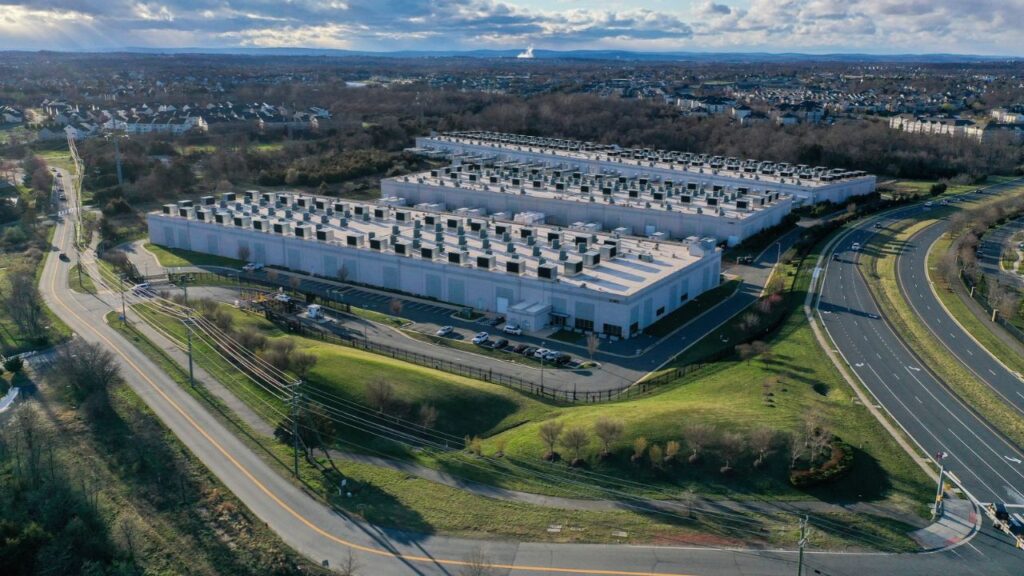
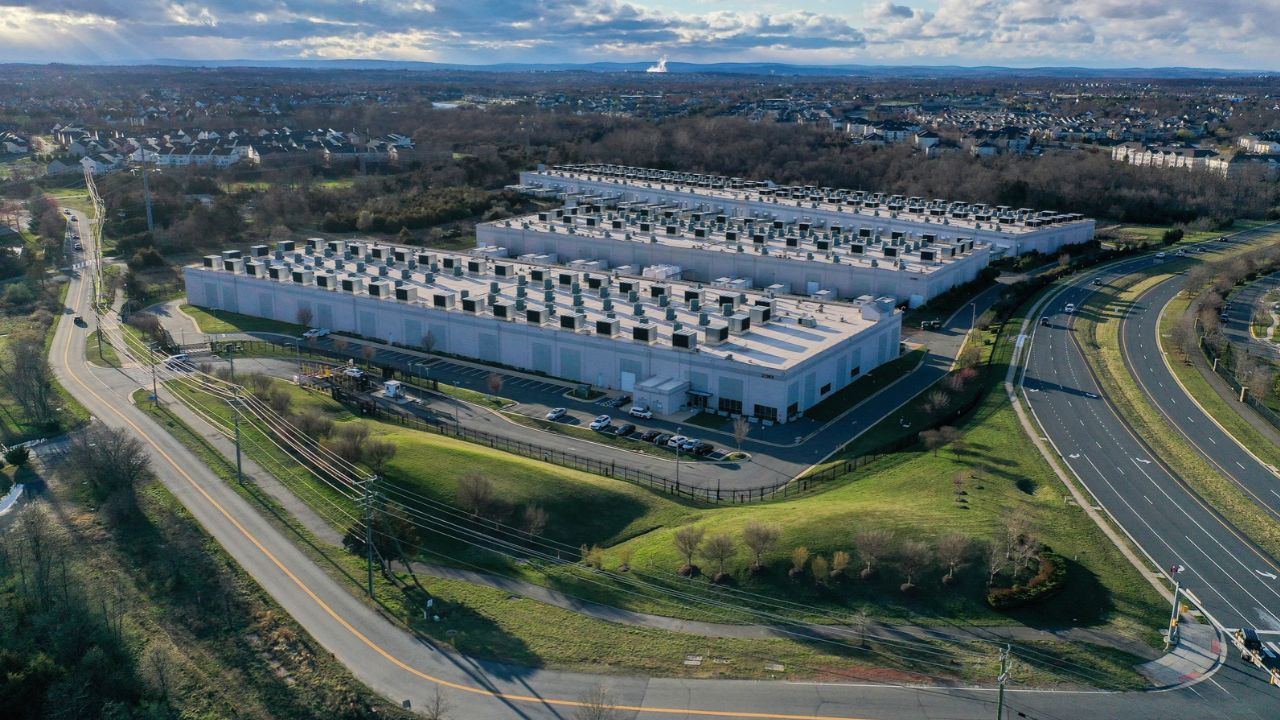
SEATTLE — Four of the tech industry’s biggest companies set a spending record in the last quarter as they raced to build artificial intelligence, leading to a worrisome new milestone: Most of them are spending more cash on data centers than they get from running their businesses.
Over the past two weeks, Amazon, Microsoft, Google and Meta said they were on track to spend more than $720 billion this year on data centers and other capital expenses — roughly triple what they spent just two years ago. And all are expected to spend even more next year. The investments are so large, the AI boom accounts for much of the resilience in the U.S. economy.
The buying binge has sent the companies scrambling to fund their ambitions by taking out loans and in some cases selling more stock to get the cash they need. While their core businesses generally remain healthy, those moves have unsettled investors who worry whose bets will pay off.

A sell-off in tech stocks accelerated Friday, with the Nasdaq dropping more than 2% in early trading, as investors digested all the latest reports from the biggest AI spenders.
Google reported underwhelming results Wednesday, and by the time markets closed on Thursday, Google’s stock had fallen more than 12%, erasing its gains for the year. Then, on Thursday, after Amazon reported its results showing heavy spending, its shares traded down, too. Last week, Meta’s shares fell 7% after its results showed it was using so much cash that the company was issuing new stock to raise funds.
“Slight differences is causing a lot of volatility,” said David Tsui, a technology credit analyst at S&P Global Ratings. He said there could be several more years of uncertainty because “you’re spending now and a lot of the return is going to be years down the road.”
It’s not just some of the largest tech companies making this giant bet. Oracle and SpaceX have drastically boosted their spending, and borrowing, and now have capital expenses quickly approaching their much larger rivals.
Investors have increasingly kept an eye on a metric known as free cash flow, which looks at how much cash a company has after paying for both its day-to-day costs and for new capital expenses. For every company but Microsoft, free cash flow has turned negative, a sign of just how much they are banking that their AI bets will pan out.
If the companies keep adding to their spending faster than they can increase their sales and cash, “then we get a little bit more nervous,” Tsui said.
On Thursday, Amazon became the latest Big Tech company to report its quarterly results. It had $201.9 billion in sales, up 12% from a year earlier, and profit fell slightly to $20.7 billion. Both were slightly short of what investors expected.
Amazon’s cloud computing division saw its biggest growth in almost five years, with sales increasing 39% to $46 billion. Andy Jassy, Amazon’s CEO, told investors that he thought it would grow more than 40% a year through 2028.
On Wednesday, Alphabet, Google’s parent company, disclosed that for the second quarter in a row, it had negative free cash flow because of its spending, even though its cloud computing business more than doubled in sales.
But its search business, the source of so much of its free cash, underperformed, underscoring investor worries that AI chatbots could erode its core advertising business. Google’s capital expenses more than doubled to $51 billion. It also signaled it could have more than $1 trillion in future commitments on leases and other obligations.
Last week, for the first time since soon after Meta went public in 2012, the company told investors that its free cash flow was negative as well. It also slightly increased what it had told investors it would spend on capital expenses, and disclosed more than $800 billion in additional future leases and other commitments.
Mark Zuckerberg, Meta’s CEO, told investors that making the most of its investments will be essential to expanding the early success of Muse, its personal AI agent, into a huge, profitable business.
“We want to make sure that we’ve built enough compute to be able to serve what we think is going to be 1 billion-plus people,” he said.
A number of the companies are issuing new stock, selling bonds and taking out loans to support their spending. On Monday, Meta said it would raise up to $95 billion from selling stock to fund its AI ambitions. That same day, SpaceX said it had secured $40 billion in loans to secure specialized AI chips.
Microsoft showed growth in its cloud and AI business while keeping costs in check. The company said it would have positive free cash flow at least through next summer, and if it needed to tap additional resources to raise cash, it would.
“We have lots of options to be able to tap the finance markets when they make sense and they’re attractive,” Amy Hood, the company’s finance chief, said.
Microsoft’s revenue for the quarter was $92.3 billion, up 19%, and profit grew 32% to $36.6 billion. Sales of Azure, its main cloud computing and AI offering, grew 48%, and Microsoft told investors it would grow even more in the current quarter.
On Thursday, Microsoft said it would raise $25 billion by issuing its first new bonds in almost a decade. While its stock price was up Wednesday in late trading, its shares declined slightly on Thursday.
Tech companies are “in this existential play for market share,” said Will Sommer, a tech market economist at the research firm Gartner. “They’re willing to take losses to be the dominant provider of this market that we think will be worth trillions of dollars.”
—
This article originally appeared in The New York Times.
By Karen Weise/Nathan Howard
c. 2026 The New York Times Company