
|
Getting your Trinity Audio player ready...
|
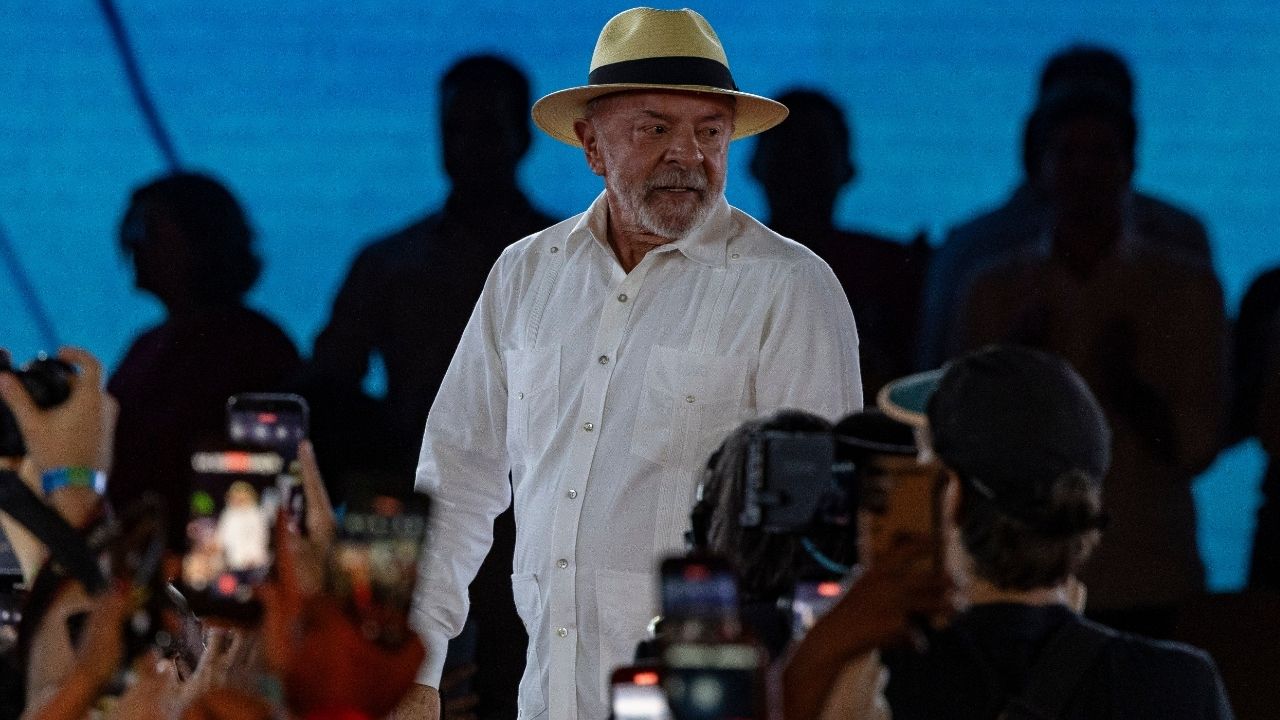
President Luiz Inácio Lula da Silva of Brazil surged to a remarkable reelection on Sunday, according to official preliminary results, but his opponent, Flávio Bolsonaro, said he would not accept the results after a chaotic Election Day.
Lula’s victory, which ended a string of conservative wins in Latin America cheered on by President Donald Trump, came after a judge ordered polls to remain open an additional two hours — a move requested by both campaigns after transportation delays and bad weather disrupted voting. At a news conference, Bolsonaro called for the election to be annulled, saying the decision to keep the polls open “changed the rules in the middle of the game.”
“There’s a lot that needs to be cleared up before Brazil simply accepts this foul play that took place in these elections,” he said.

Lula received 51.8% of the vote, versus 48.2% for Flávio Bolsonaro, with 99.9% of the ballots counted, according to official preliminary results.
The leftist’s 3.6% margin of victory was wider than four years ago, and was predicted by few pollsters. Even more stunning was that he achieved the comeback after placing second in the first round of voting earlier this month, a first in Brazilian history.
“I would like to thank the Brazilian people for the generosity they have shown me for a long time,” Lula said in a victory speech in Sao Paulo.
Lula, 80, had framed his candidacy as a vote for democracy and the only way to bar the return of the Bolsonaro family to power. He has frequently and defiantly clashed with Trump, who attempted to use tariffs and sanctions to keep Bolsonaro’s father, Jair, out of prison for his attempted coup four years ago.
Lula’s victory snapped a string of seven straight wins by right-wing leaders in the region over the last 18 months, and suggested that Latin America’s left-wing forces still wield some influence despite the losses.
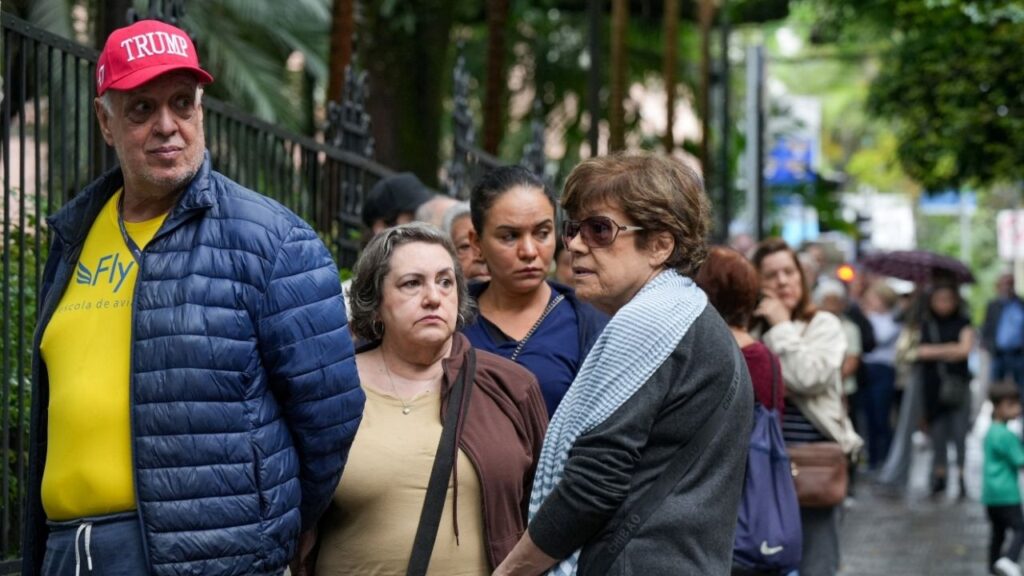
On Paulista Avenue, a main drag in Sao Paulo, fireworks crackled, horns blared and supporters cried in disbelief. Vendors sold popcorn and beer, with their stands plastered with Lula stickers.
The candidates offered starkly different visions on issues that included fighting organized crime and revitalizing a sluggish economy. The outcome could reshape Brazil’s trajectory on many divisive issues for years to come because the next president will have the right to fill four open seats on the country’s powerful Supreme Court, which has 11 seats in total.
Here’s What Else to Know:
— Extra two hours: Both candidates asked for polls to be kept open. Bolsonaro said that flooding in a part of the country where he held electoral advantages would unfairly hurt him, while Lula accused public officials of purposefully slowing down public transportation in areas where he won in an earlier round of voting.
— The Bolsonaros: Looming over the contest was an epic political struggle that has roiled and defined Brazilian politics for more than a decade. Bolsonaro ran in lieu of his father, who could not stand for office because he was convicted of attempting a coup against Lula after losing the last election in 2022. He was sentenced to 27 years in prison and is serving his time at home because of health reasons.
— One town’s story: Nanuque, about 500 miles north of Rio de Janeiro, is a cattle-raising, churchgoing town where crowds turn out on foot for an annual march for Jesus and on horseback for the nation’s independence day. It is a microcosm of Brazil, offering clues to Lula’s lackluster showing in the first round and Bolsonaro’s rise.
— Right-wing leaders: Over the last 18 months, right-wing candidates had won the last seven presidential elections in Colombia, Chile, Honduras, Bolivia, Peru, Ecuador and Costa Rica. A win by Bolsonaro would have given Trump a new ally in his war on drugs.
—
This article originally appeared in The New York Times.
By Adam B. Ellick and Ana Ionova/Victor Moriyama
c. 2026 The New York Times Company