
Global markets shuddered Thursday as stocks slid after earnings reports from big technology companies spooked investors and oil jumped to its highest level in months on a series of worrisome developments in the conflict in the Middle East.
Oil Jumps to Its Highest Price in Months
Strikes in Saudi Arabia and around the Persian Gulf helped drive the price of Brent crude, the global benchmark for oil, up 3% to about $112 a barrel, its highest level since May.
West Texas Intermediate crude, the U.S. benchmark, also rose, to nearly $100 a barrel.

Oil had reached as high as $120 a barrel since the start of the U.S.-Israeli war on Iran nearly eight months ago, which has disrupted exports from the energy-rich Persian Gulf region. Before the war, global oil was trading around $70 a barrel, and about 20% of the world’s oil flowed through the Strait of Hormuz, an artery between Iran and Oman that has become treacherous for commercial ships since the start of the fighting. Oil flows through the strait are running around 75% of prewar levels, according to Kpler, a maritime data company.
In the United States, the average price of gasoline was $4.27 a gallon Thursday, according to the AAA motor club, up 43% since the war began. The average price of diesel has surged 68% over that period, to $6.31 per gallon.
Stocks Fall, Dragged Down by Tech Companies
The S&P 500 dipped 1% when stocks began trading in the United States on Thursday. The tech-heavy Nasdaq slumped more than 1%.
Large tech companies at the forefront of the AI expansion pulled down market indexes, as investors have grown more wary of the returns promised by wildly expensive AI projects. After Meta reported a big decline in its cash flow Wednesday and said it would issue a new class of stock to help raise more money to spend on data centers and other AI initiatives, its stock slid 5.5% when markets opened Thursday. Tesla shares fell 2.5% Thursday after the company’s earnings fell short of Wall Street expectations, as the automaker run by Elon Musk poured resources into self-driving vehicles, humanoid robots and other new technologies.
Major markets in Asia, which are heavily influenced by technology industry trends, posted declines, with benchmark indexes in Hong Kong, Japan and South Korea all down by around 3%. In Europe, the Stoxx 600, an index that tracks the region’s largest companies, fell nearly 1%.
Attacks in Saudi Arabia and on Ships in the Gulf Roil Markets
Violence flared in the Middle East overnight, another factor weighing on markets. At least two people were killed in a strike on an airport in Dammam, Saudi Arabia, the home city of Saudi Aramco, the state oil giant. Two other people died after air defenses intercepted a drone that targeted an oil field run by Aramco. The Saudi government did not say who they believed was responsible for the attacks. The Iranian-backed Houthi militia in Yemen has been striking Saudi infrastructure for weeks.
Saudi Aramco staff members were instructed to leave the company’s headquarters building in Dhahran and to work remotely Thursday, according to two people familiar with the situation who spoke on condition of anonymity because they were not authorized to speak for the company. Aramco did not respond to a request for comment, and the Saudi Energy Ministry referred questions to Aramco.
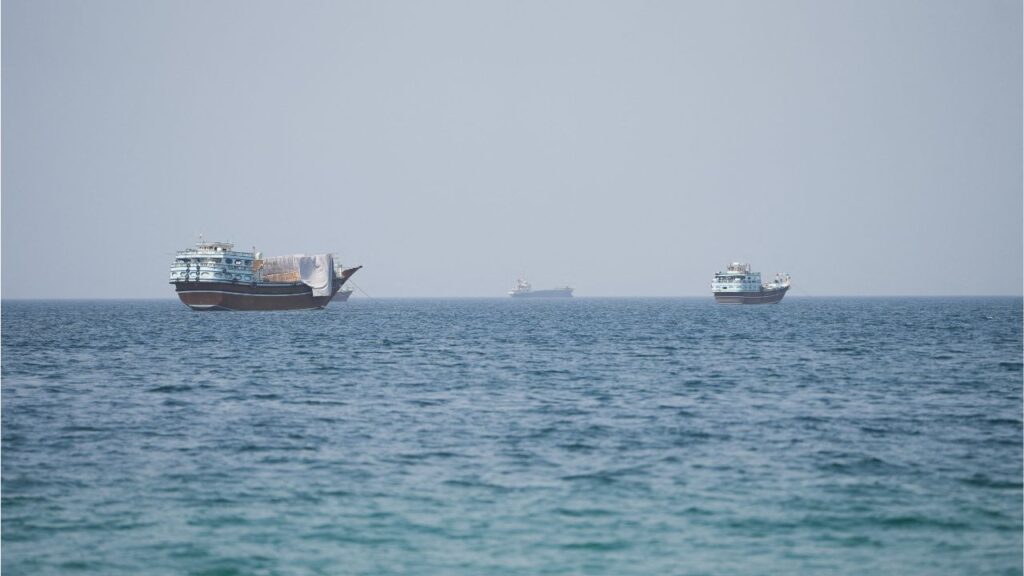
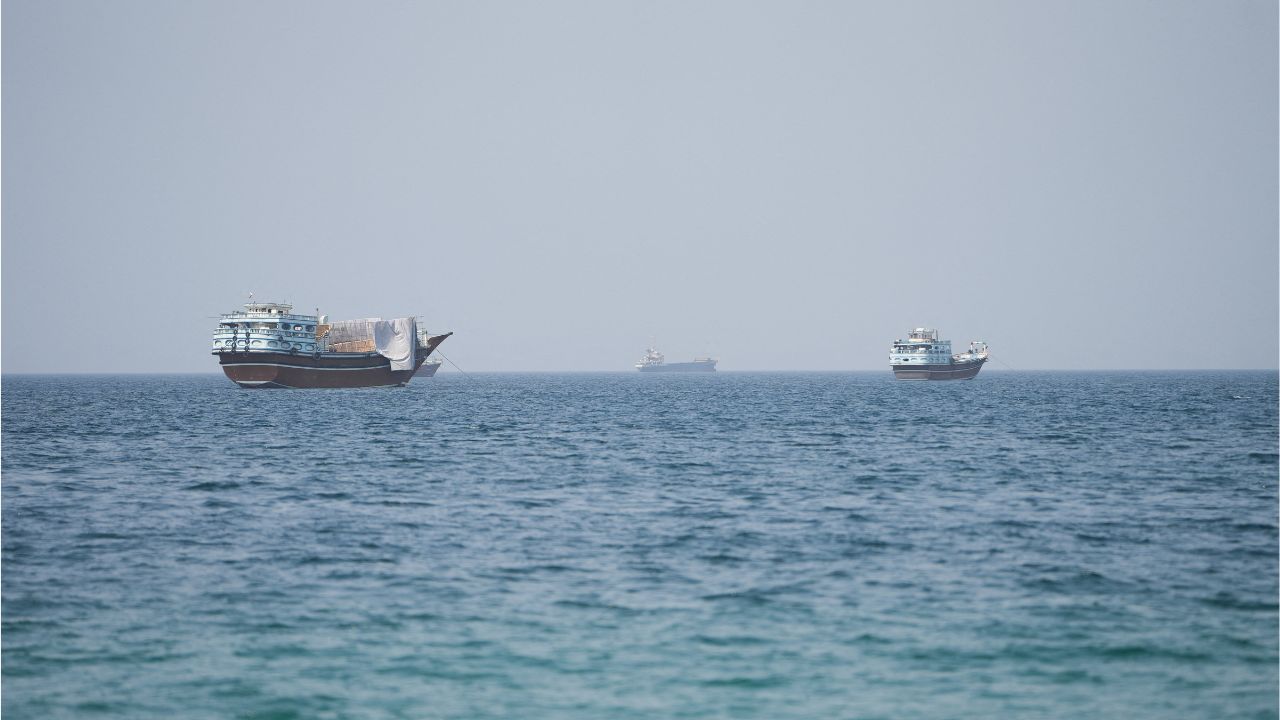
In the Persian Gulf, several commercial ships have been attacked in recent days. On Tuesday night, a tanker carrying oil products, the Soyia, was reportedly struck while at anchor in the northern Persian Gulf, according to Marisks, a maritime risk firm. Another ship, a Kuwait-flagged crude oil tanker, was struck Wednesday while sailing through the Strait of Hormuz, causing a fire on the ship, according to a maritime agency operated by Pakistan’s navy.
Iran’s Revolutionary Guard said Thursday that it had struck four tankers in the northern Persian Gulf that it claimed had been illegally transferring oil. It also said that three more vessels had hit mines in the western Strait of Hormuz. Those attacks could not immediately be independently confirmed.
In an article published in The Financial Times, Abbas Araghchi, Iran’s foreign minister, said that Iran, “simply by virtue of geography, will always have unparalleled leverage over maritime traffic through the Strait of Hormuz.” He warned that any further escalation from the United States would result in a “painful outcome.”
—
This article originally appeared in The New York Times.
By The New York Times
c. 2026 The New York Times Company