


|
Getting your Trinity Audio player ready...
|
Iran is continuing to deny inspectors from the United Nations nuclear watchdog access to its nuclear facilities so they cannot verify the location and status of Iran’s near bomb-grade uranium, according to an internal report from the agency.
“The agency’s lack of information about this material and access to facilities to verify it is a matter of proliferation concern,” said the report, by the director-general of the International Atomic Energy Agency, Rafael M. Grossi. He called on Iran to allow agency inspectors into the country “with the utmost urgency.”
The 11-page report, dated Tuesday and obtained by The New York Times, was sent to member states before a meeting next week of the agency’s board of governors in Vienna to consider a new resolution censuring Iran.

The report comes as the United States and Iran exchanged new attacks in their off-again and on-again war that began Feb. 28 with a sustained bombing campaign by Israel and the United States. An interim accord in June was supposed to allow the agency access to Iran’s nuclear sites and begin a new set of talks on Iran’s nuclear program, but that agreement quickly collapsed.
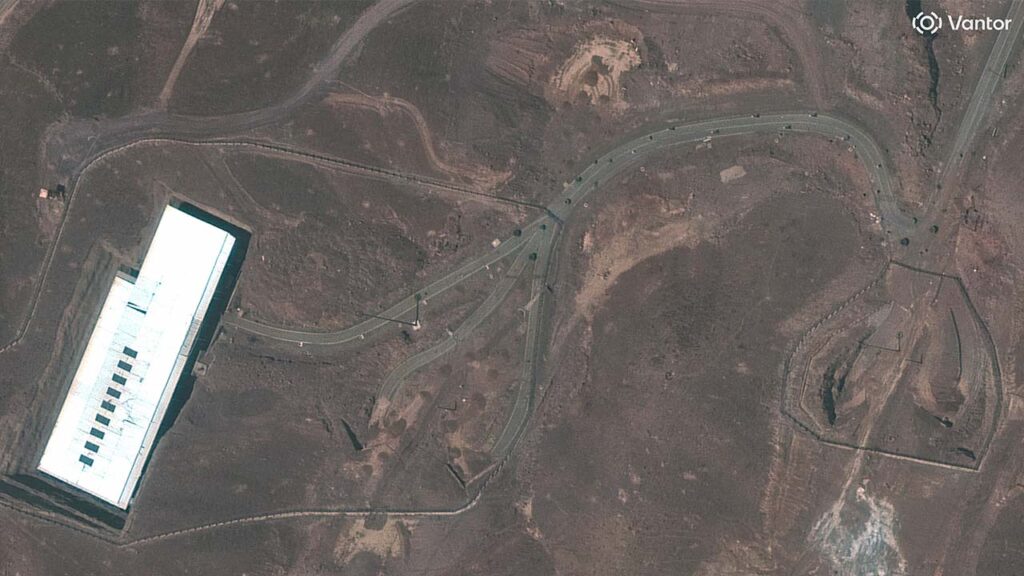
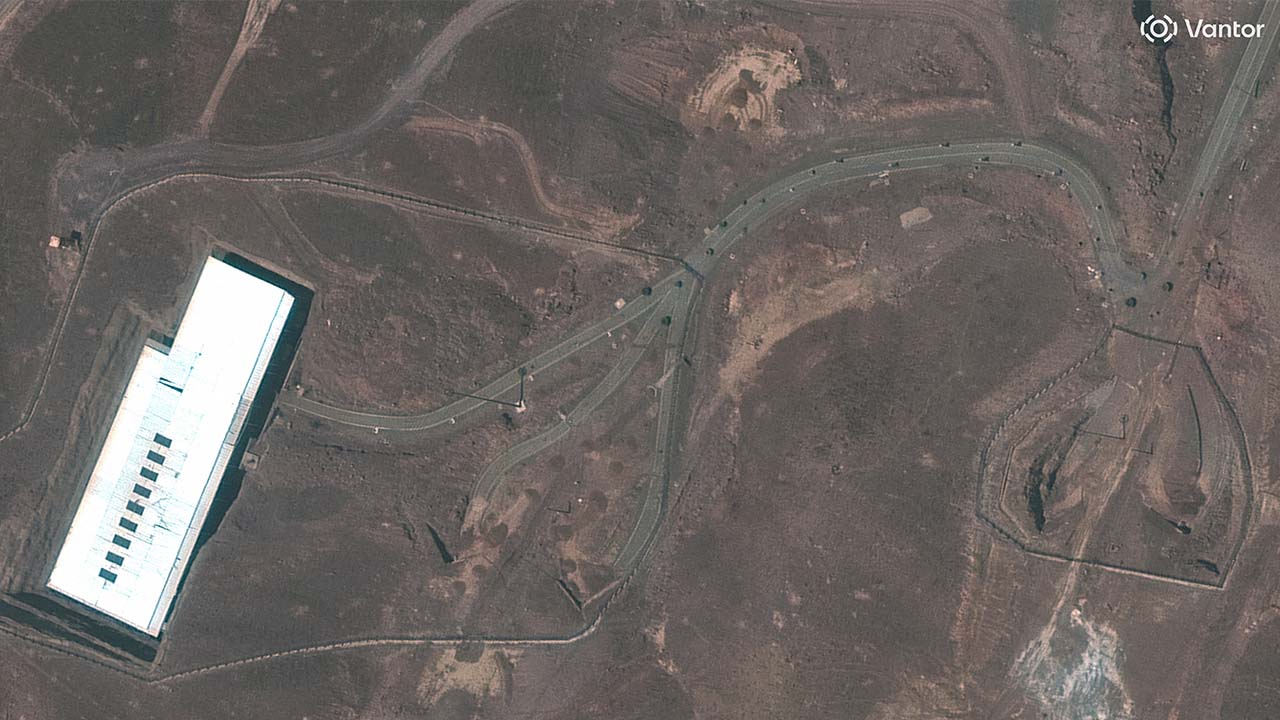
Agency inspectors have had no access to Iran’s critical enrichment facilities — at Fordow, Natanz and Isfahan — since June 2025. At that time, for 12 days, Israel and the United States bombed Iran and some of its known nuclear sites, apparently burying its large stockpiles of enriched uranium.
According to the report, based on information provided by Iran up to June 12 and largely verified by the agency, Iran had an estimated 9,874.9 kilograms of enriched uranium. Of that, 184.1 kilograms was enriched up to 20% and 440.9 kilograms enriched up to 60%, which is close to weapons-grade.
Given the inspectors’ lack of access, however, the report said, “the agency cannot provide any information on the current size, composition or whereabouts of the stockpile of enriched uranium in Iran or whether Iran has suspended all enrichment activities.” Nor can the agency provide information about Iran’s current inventory of centrifuges or whether it is still making and testing them.
Iran has also never granted access to a fourth enrichment facility near Isfahan that Iran announced in June 2025. The agency is not even sure of its exact location, let alone what it contains, the report said. Iran also continues to refuse to address long-standing unresolved questions about its previous nuclear program and undeclared sites that may have been used for military purposes.
Iran has always denied seeking a nuclear weapon but has never satisfactorily explained to the agency why it has enriched uranium to 60%, far more than needed in any civilian use.
Iran has promised the agency access to its uncontroversial civilian nuclear power plants at Bushehr later this month, the report said.
—
This article originally appeared in The New York Times.
By: Steven Erlanger
c.2026 The New York Times Company