


|
Getting your Trinity Audio player ready...
|
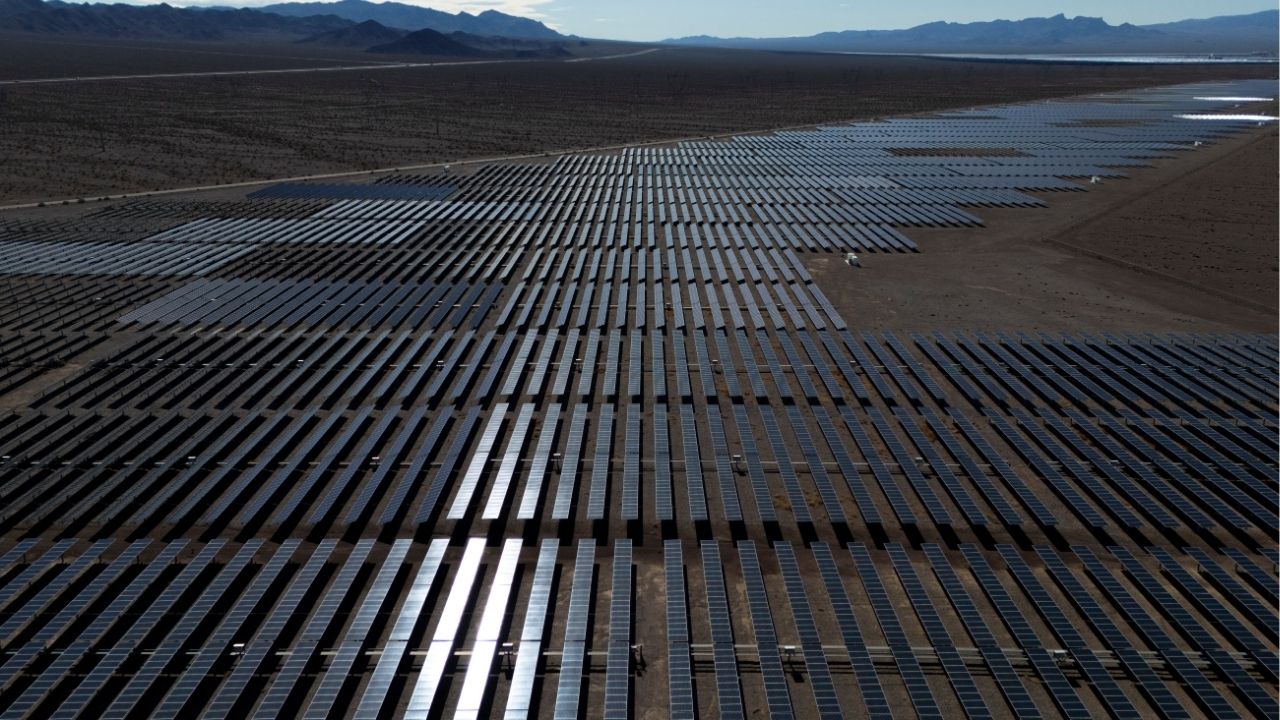
A U.S. judge vacated a Trump administration policy implemented last year that made it harder for wind and solar energy projects to claim federal tax subsidies, according to court documents.
The decision is the latest legal blow to U.S. President Donald Trump’s wide-ranging efforts to slow development of clean energy technologies, which he has said are unreliable and unfairly subsidized.
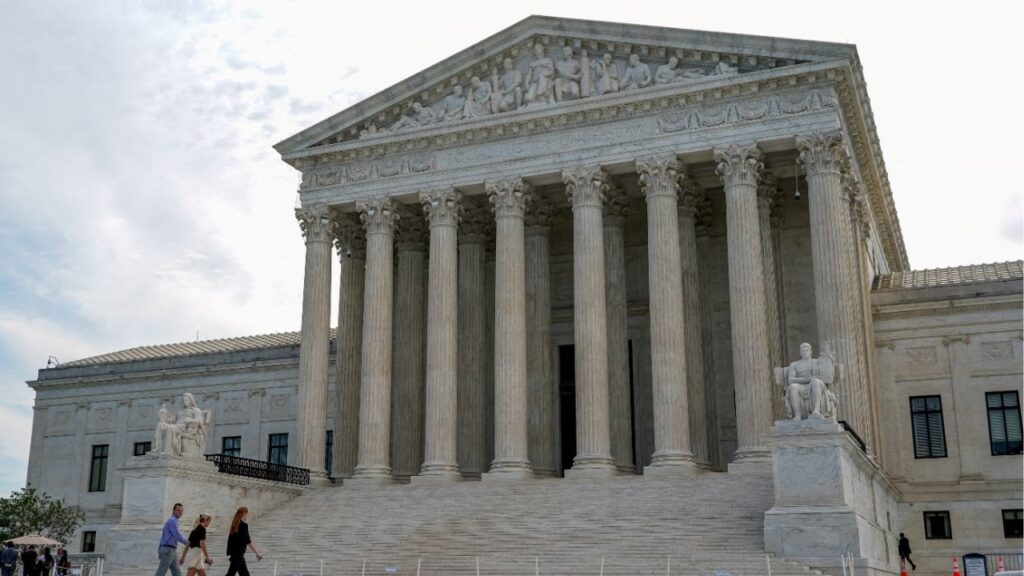
In a ruling on Saturday, Judge Colleen Kollar-Kotelly of U.S. District Court for the District of Columbia said the Treasury Department’s Internal Revenue Service had failed to give an adequate reason for eliminating a longstanding definition for what it means for a project to be considered under construction.

Under federal law, clean energy projects must begin construction by July 4 of this year or enter service by the end of 2027 to qualify for a 30% tax credit and bonuses that can push the subsidy even higher.
For a decade, project developers had been able to “safe habor” projects for four years either by showing substantial and continuous physical work or by incurring 5% of total costs before a credit expired.
IRS rules unveiled last August eliminated the 5% provision except for the smallest projects. Judge Kollar-Kotelly’s decision sent the IRS rules notice back “for further consideration.”
The lawsuit challenging the IRS rules was filed last year by plaintiffs, including environmental groups Oregon Environmental Council and Natural Resources Defense Council, consumer advocacy organization Public Citizen, the city of San Francisco and clean energy consulting firm Woven Energy.
Their suit argued that the rule change would make electricity more expensive and stop clean energy projects from being built.
“This decision puts an important check on the administration’s actions, which are driving up energy prices for everyday Americans in cities and towns across the country,” San Francisco City Attorney David Chiu said in a statement. “We will continue to fight for the market fairness and predictability that allow clean energy providers to build projects that benefit us all.”
An IRS spokesperson said the agency would not comment on pending litigation.
(Reporting by Nichola Groom; Editing by Aurora Ellis)