
|
Getting your Trinity Audio player ready...
|
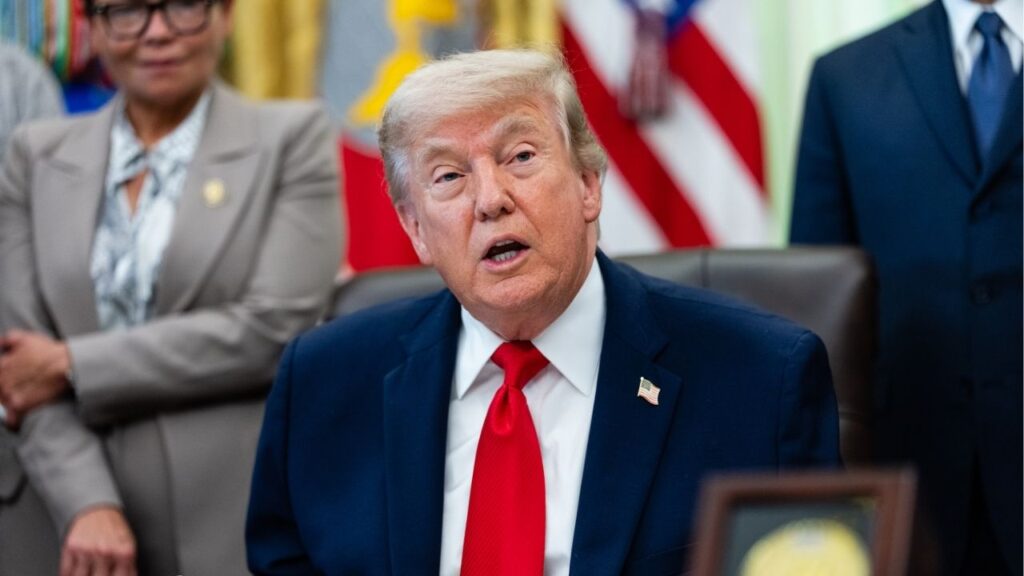
As he departed for China on Tuesday, President Donald Trump sought to assuage concerns that the ceasefire with Iran was in peril, telling reporters at the White House that “we have Iran very much under control.” But he also reiterated that “we’re either going to make a deal, or they’re going to be decimated.”
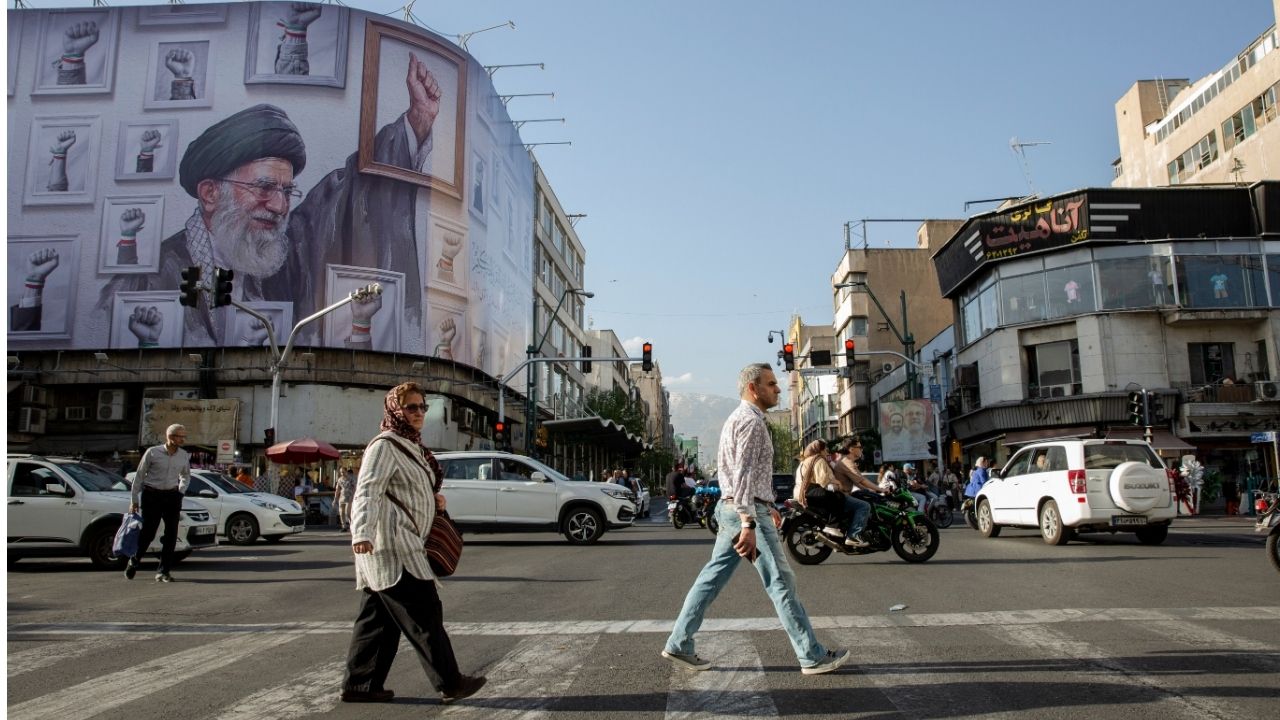
Iran’s government showed no sign of backing down from its hardline negotiating stance. On social media, Kazem Gharibabadi, a deputy foreign minister, said Iran’s position was that any peace deal must include reparations for Iran, Iranian sovereignty over the Strait of Hormuz and an end to U.S. sanctions.
Despite Trump’s assurances, the nearly month-old ceasefire in Iran looked increasingly fragile Tuesday, and Defense Secretary Pete Hegseth told Congress that the United States had “a plan to escalate, if necessary.”

Trump has said that he wants a swift end to the war and a reopening of the strait, but Iran appears to be testing how far he is willing to go to secure those goals. Its demands suggest it could be betting that the economic pain from soaring energy prices will force him to make concessions.
Oil prices continued to climb, and stocks cooled Tuesday. Brent crude rose to $107 a barrel. Trump brushed aside concerns over a prolonged energy crisis.
“As soon as this war is over, which will not be long, you’re going to see oil prices drop,” he said, with the reopening of the Strait of Hormuz bringing a “gusher of oil.” What matters more than oil prices, he said, is that “Iran cannot have a nuclear weapon. They will not have a nuclear weapon.”
Ebrahim Rezaei, a spokesperson for the national security committee in Iran’s parliament, warned Tuesday that Tehran could consider enriching uranium to 90% purity, a level considered weapons grade, if it was attacked again. It was unclear how seriously Iran was considering such a move, and Rezaei said only that parliament could review the option.
Here’s What Else We’re Covering:
— China summit: Trump departed for Beijing on Tuesday afternoon for a summit with China’s leader, Xi Jinping, that could help shape the future of the war. Xi is eager to see an end to the fighting with Iran, one of China’s closest Middle East partners. Trump told reporters Tuesday that Iran would not be a significant subject at the summit.
— U.S. inflation: Consumer prices in the United States rose last month at the fastest rate in three years, the Labor Department reported Tuesday, driven largely by energy costs that have spiked since the war began in late February.
— Kuwait: Kuwait’s Foreign Ministry on Tuesday accused Iran of sending several members of its Revolutionary Guard to infiltrate a strategically important Kuwaiti island earlier this month.
—
This article originally appeared in The New York Times.
By Max Bearak, Karoun Demirjian and Megan Mineiro/Arash Khamooshi
c. 2026 The New York Times Company