
|
Getting your Trinity Audio player ready...
|
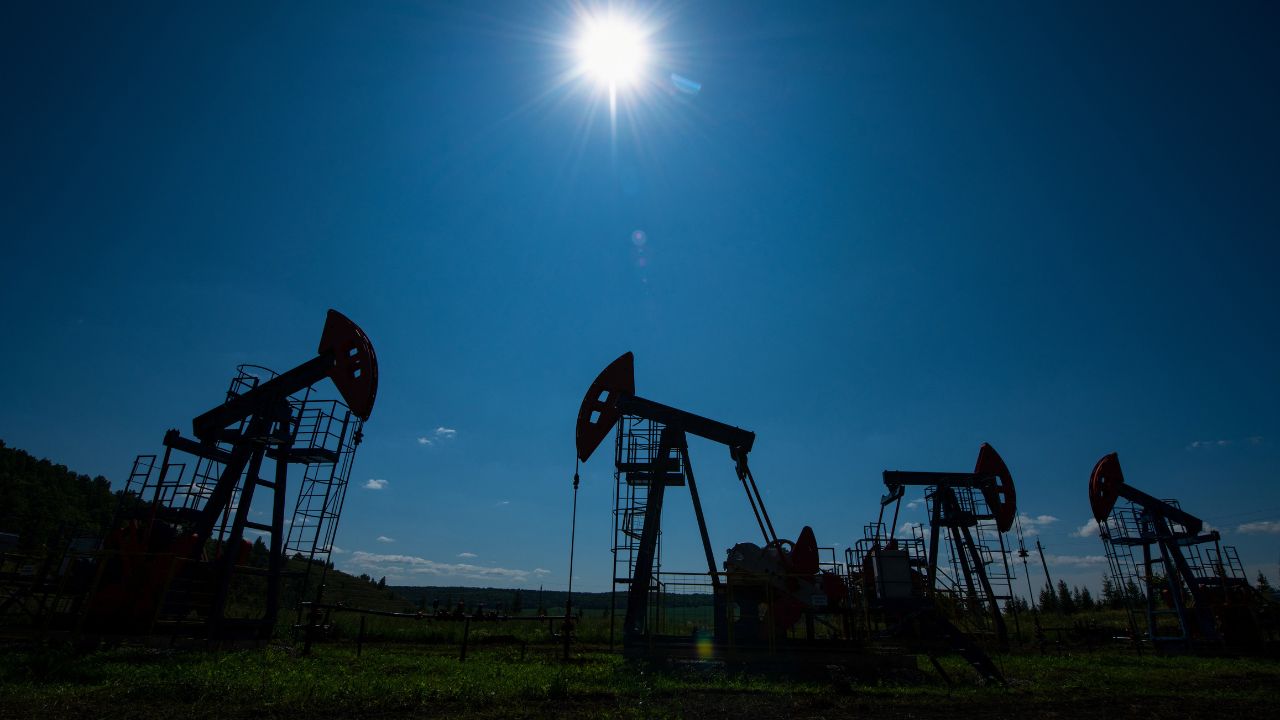
Oil prices jumped by more than $3 on Wednesday after a surprise gasoline and distillate stock draw in the U.S., and prices got a further boost from reports of gunfire attacks on at least three container ships in the Strait of Hormuz and a lack of progress in peace talks between the U.S. and Iran.
Brent crude futures were up $3.32, or 3.37%, at $101.80 a barrel at 12:50 p.m. EDT (1650 GMT). West Texas Intermediate futures were up $3.61, or 4.03%, to $93.28. Both benchmarks climbed about 3% on Tuesday.
At the session high, U.S. crude futures were up by more than $4 a barrel.

U.S. crude stocks rose while gasoline and distillate inventories posted surprise draws in the week ended April 17, the Energy Information Administration said. [EIA/S]
Crude inventories rose by 1.9 million barrels to 465.7 million barrels, while U.S. gasoline stocks fell by 4.6 million barrels to 228.4 million barrels compared with analysts’ expectations in a Reuters poll for a 1.5-million-barrel draw.
Distillate stockpiles dropped by 3.4 million barrels in the week to 108.1 million barrels, versus expectations for a 2.5-million-barrel drop, the EIA data showed.
Elsewhere, at least three container ships were hit by gunfire in the Strait of Hormuz on Wednesday. Iran’s Revolutionary Guards Navy seized two vessels for what it described as maritime violations and transferred them to Iranian shores, the semi-official Tasnim news agency reported.
Iran and the U.S. have imposed restrictions on ships using the strait, which until the war began at the end of February had carried about 20% of global oil and liquefied natural gas supplies.
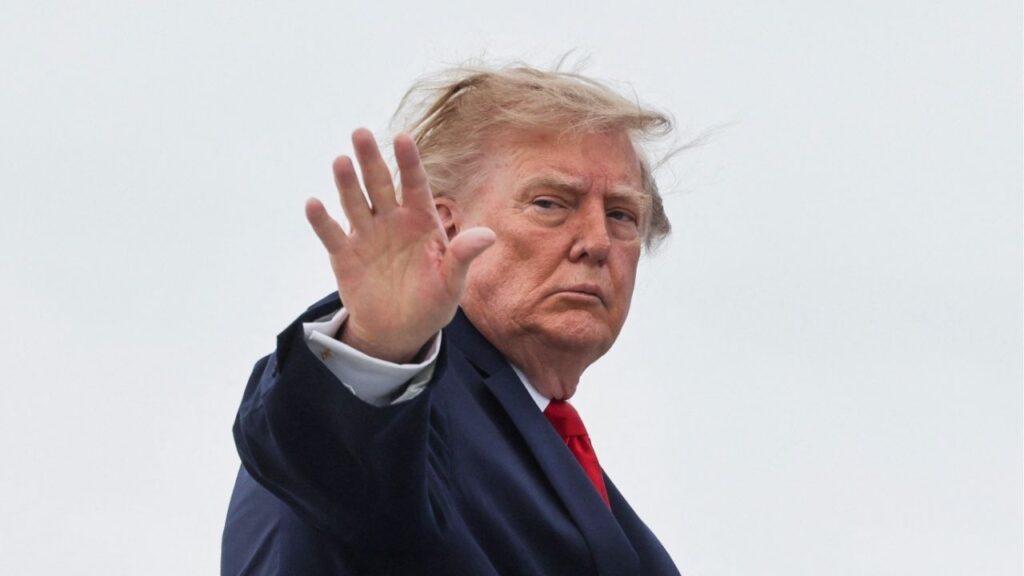
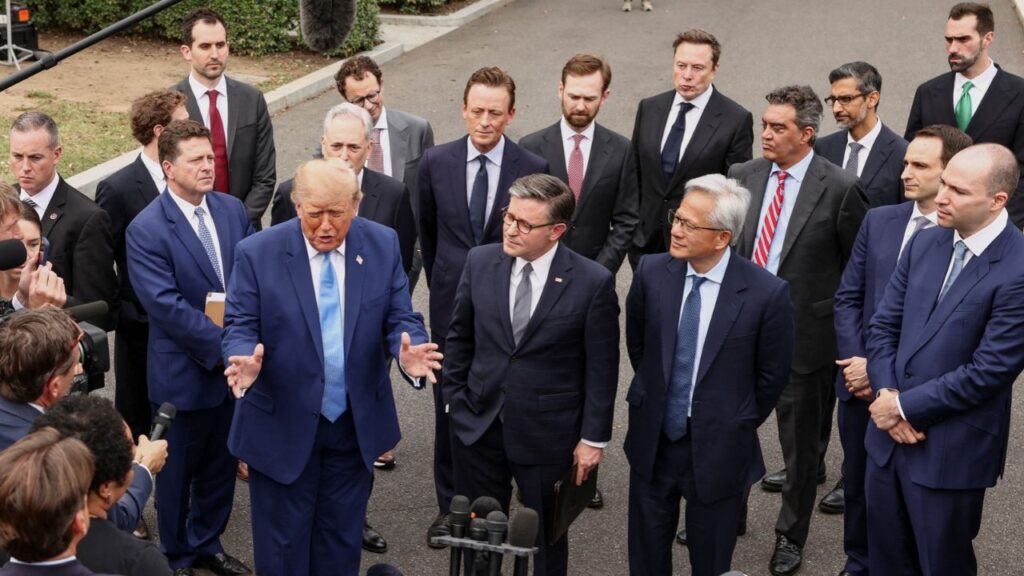
Earlier, U.S. President Donald Trump said he would indefinitely extend the ceasefire with Iran, hours before it was due to expire. Neither side showed up for peace talks in Pakistan.
The ceasefire announcement appeared to be unilateral. It was not immediately clear whether Iran, or U.S. ally Israel, would agree to extend the truce, which began two weeks ago.
Iran’s parliament speaker and top negotiator Mohammad Baqer Qalibaf said on Wednesday that a complete ceasefire only made sense if it was not violated by the U.S. blockade of Iranian ports.
Qalibaf said in a post on X that the reopening of the Strait of Hormuz was impossible with such a “flagrant breach of the ceasefire”.
Russia to Divert Some Supplies
Elsewhere, Russia will divert oil supplies from Kazakhstan previously intended for Germany via the Druzhba pipeline to other routes starting from May 1, Deputy Prime Minister Alexander Novak said on Wednesday.
Novak said the logistical change was due to “technical possibilities” and had been agreed with Kazakhstan.
U.S. Treasury Secretary Scott Bessent said on Wednesday that he extended sanctions relief on Russian seaborne oil for 30 days because of requests from countries that are the most vulnerable to oil shortages from the closed Strait of Hormuz.
The European Union is considering requiring countries to hold stockpiles of jet fuel, and potentially redistribute it based on regional needs and shortages, Europe’s energy policy chief told Reuters on Wednesday, as concerns mount over possible shortages.
—
(Additional reporting by Shadia Nasralla, Stephanie Kelly and Yuka Obayashi. Editing by Barbara Lewis, Mark Potter, Nick Zieminski and David Gregorio)