

|
Getting your Trinity Audio player ready...
|
The federal crackdown on voting by non-citizens in California is obviously aimed more at having a political impact than combating serious crime.
By Dan Walters
CalMatters
Opinion
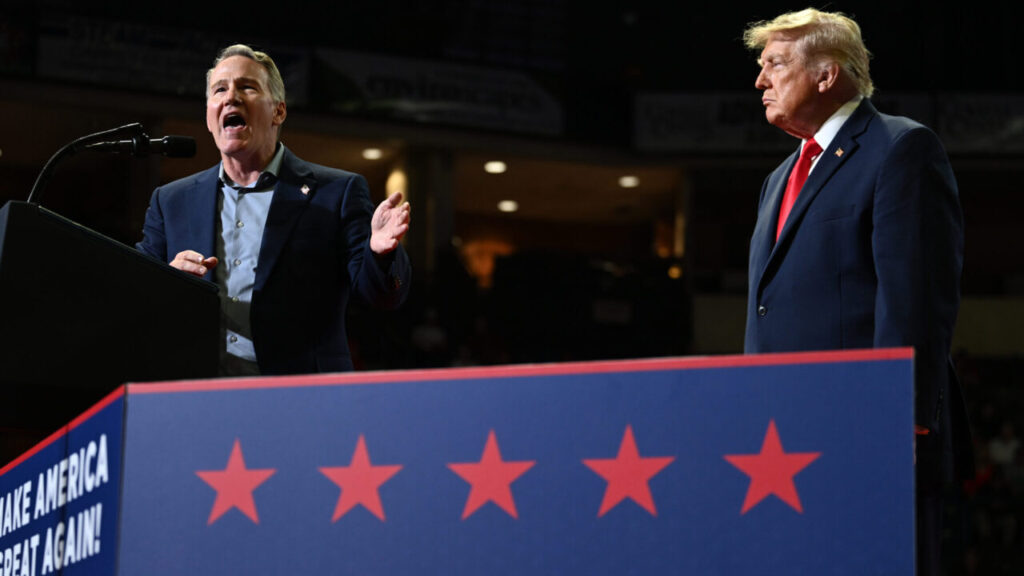
It bolsters President Donald Trump’s repetitive, but unproven, claims that Democrats have stacked the political deck by allowing non-citizens to vote. It singles out California, a deeply blue state and a whipping boy in elections across the nation.
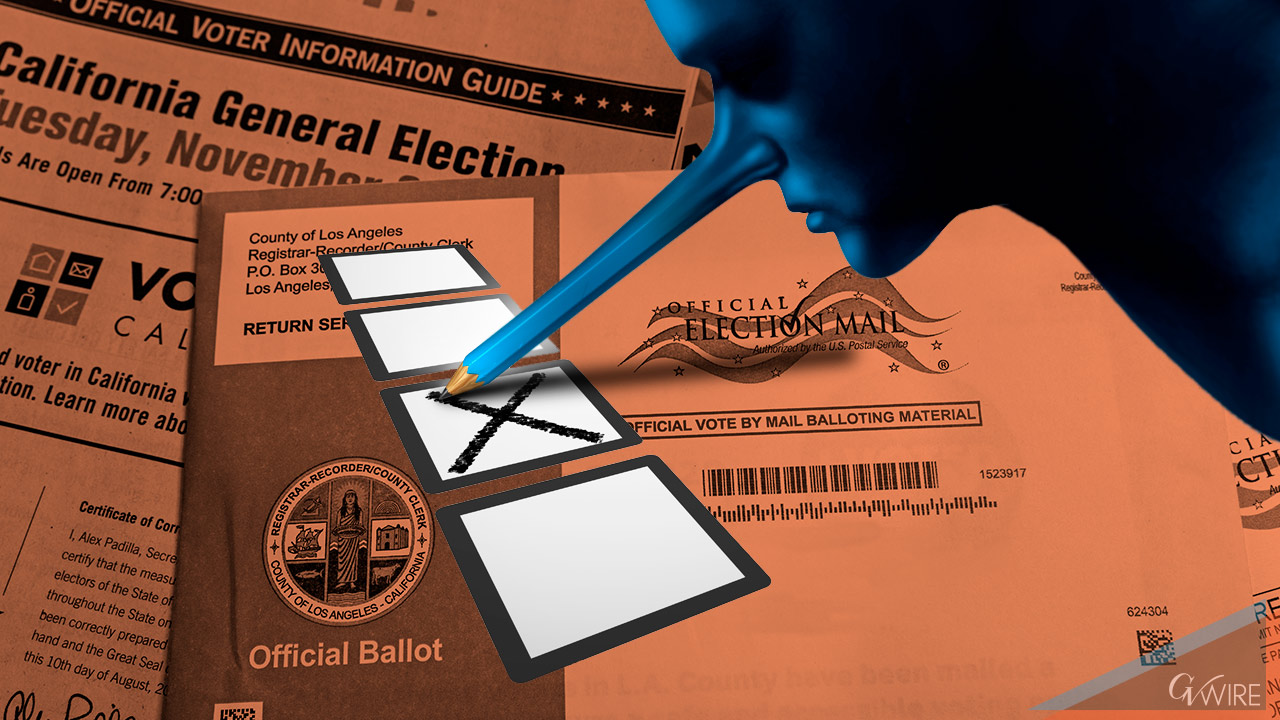
Finally, it occurs as Californians are marking mail-in ballots for the Nov. 3 midterm election and deciding the fate of Proposition 39, which would require voters to show eligibility credentials.

Last week, Trump’s Justice Department sued California and Los Angeles County, after demanding that state officials set aside ballots from 20,000 registered voters it says may not be eligible to vote.
This commentary was originally published by CalMatters. Sign up for their newsletters.
The demand was rejected, and on Monday the Justice Department filed charges against 28 immigrants who are lawful permanent residents, alleging they were either illegally registered to vote or had voted in an election.
“Today’s charges demonstrate why that lawsuit is so important,” Acting U.S. Deputy Attorney General Trent McCotter told reporters. “It’s about preventing voter fraud that cancels out the votes of U.S. citizens. Enforcing federal law increases the integrity of elections.”
‘A Drop in the Bucket’
California’s attorney general, Rob Bonta, said those who vote illegally should be prosecuted but added, “28 out of 23 million registered voters in California is just … a drop in the bucket numerically. It’s 0.0001% of all the registered voters, and it makes the point that there is no widespread voter fraud.”
Meanwhile, in a courtroom in Oakland, opponents of the federal demands were arguing that the Trump administration’s actions violate the federal Voting Rights Act by discouraging legitimate voters from casting ballots.
It has been obvious for months that the White House was planning some sort of intervention as voting began in California. The state’s size, its blue politics, its large immigrant population — both legal and undocumented — and its ultra-convenient voting procedures make it a target.
First Assistant U.S. Attorney Bill Essayli, who manages the Justice Department’s Los Angeles office, said it’s possible state officials will face federal charges.
“They are being complicit in non-citizens voting in our elections,” Essayli said. “And as they were warned last week, not only is it a civil violation, but they could also face criminal consequences for that conduct if they knowingly process ballots from non-citizens once we’ve informed them who the non-citizens are.”
The History of Mail-In Ballots
The roots of this conflict were planted in 1978, when then-Gov. Jerry Brown and a Legislature controlled by Democrats removed restrictions on absentee ballots. For decades, voters had to persuade election officials they needed such ballots because they were unable to vote in person.
Democrats believed making absentee voting much easier would increase turnout and help them win elections. However Democrats failed to exploit the change in the 1982 elections, while Republicans used it to elect George Deukmejian governor and Pete Wilson as a U.S. senator.
Nevertheless, Democrats continued to incrementally loosen voting laws, including automatic registration through the Department of Motor Vehicles, same-day voter registration and mailing ballots to all registered voters.
Election officials say they take pains to ensure that only eligible voters cast ballots. It’s a system that could be manipulated, but there’s absolutely no evidence of any organized effort to do so.
Prop 39 Will Fail: Polls
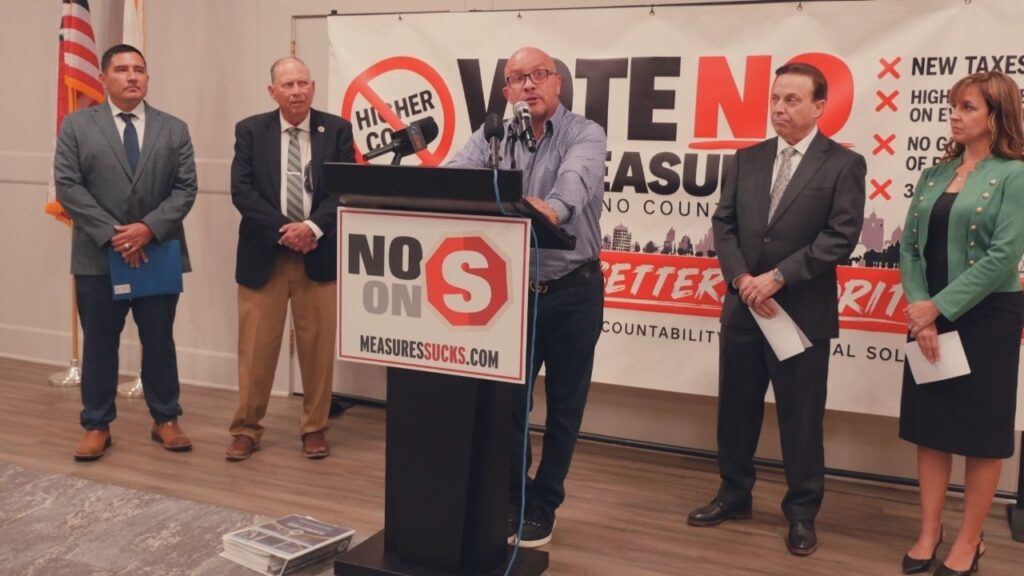
That may be why Prop. 39, which would require voters to show proof of eligibility — and probably end the state’s all-mail system — is not doing well. Drafted by Assemblymember Carl DeMaio, a political gadfly, Prop. 39 has been failing in all major pre-election polls, most recently drawing just 42% in a Citrin-POLITICO survey.
DeMaio and other Republicans may hope that the Trump administration crackdown will help Prop. 39 prevail, but it’s unlikely.
This article was originally published on CalMatters and was republished under the Creative Commons Attribution-NonCommercial-NoDerivatives license.