
|
Getting your Trinity Audio player ready...
|
Mexico is bolstering its screwworm containment campaign in northern border states where recent cases have been detected, heightening scrutiny of livestock exports as cross-border trade resumes on Monday under a phased U.S. reopening.
Mexican Agriculture Minister Columba Lopez said authorities would reinforce the dispersal of sterile flies in Sonora and Chihuahua, a key eradication strategy aimed at preventing the parasite from reproducing.
The phased reopening marks the first easing of a U.S. ban imposed more than a year ago to keep out the flesh-eating pest, with imports set to resume initially through Arizona before expanding to additional ports in New Mexico. The plan has drawn criticism from some U.S. cattle groups and state officials who argue that resuming imports could increase screwworm risks even as the parasite continues to spread in northern Mexico and has already been detected in Texas and New Mexico.

The USDA previously said the reopening would proceed in phases and remain contingent on Mexico’s compliance with screwworm-control measures.
Chihuahua, one of Mexico’s most important cattle-exporting states, has reported 67 confirmed screwworm cases since detecting its first case in July, while neighboring Sonora state has reported two confirmed cases after announcing its first detection last week. Sonora has activated emergency surveillance and containment protocols, while Chihuahua has intensified inspections, livestock movement controls and treatment campaigns to prevent further spread.
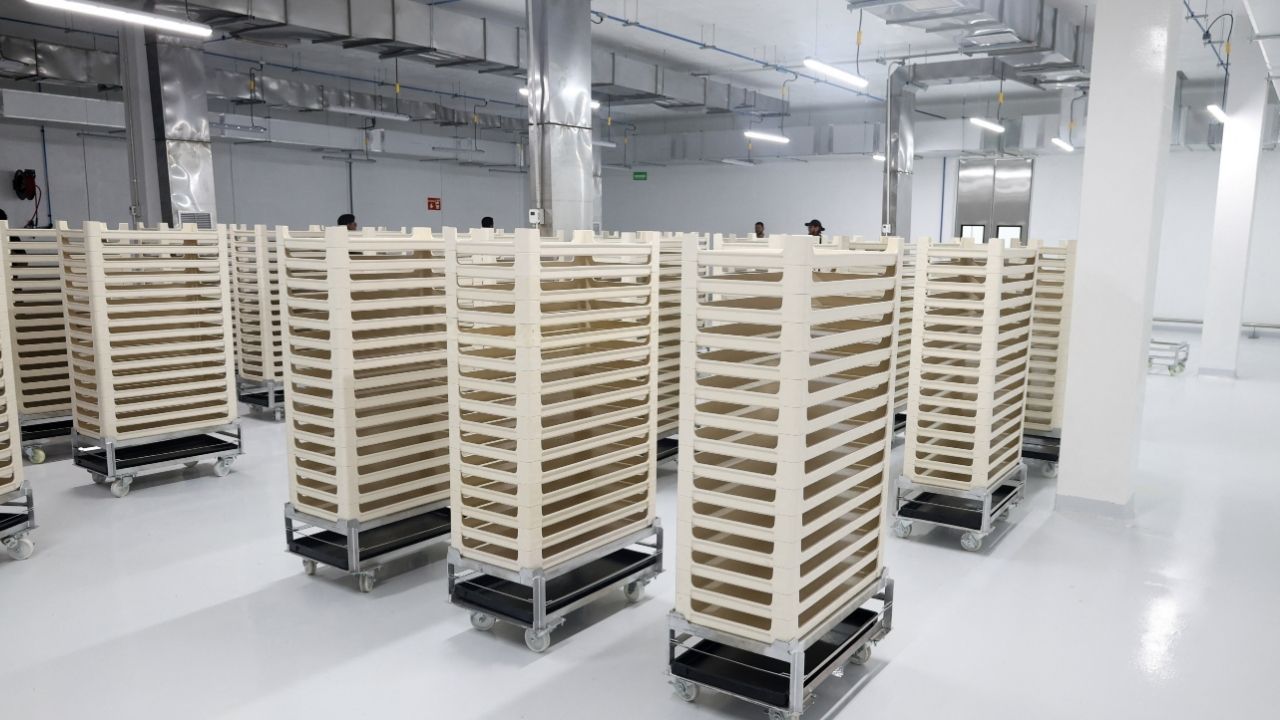
The sterile insect technique works by releasing millions of sterilized screwworm flies that mate with wild females but produce no offspring, gradually driving down the pest population. Mexico recently opened a sterile-fly production plant in Chiapas, while the United States is building its own production facility in Texas, expected to be completed by spring of 2027.
(Reporting by Cassandra Garrison in Mexico City, Editing by Natalia Siniawski)