
|
Getting your Trinity Audio player ready...
|
Iran’s Foreign Ministry said Monday that Tehran would not bow to an escalating pressure campaign by the Trump administration, after one of the country’s top security chiefs threatened reprisals against countries that joined the United States’ “economic war.”
The defiant comments from Iranian officials came ahead of new measures to isolate Iran’s economy that Treasury Secretary Scott Bessent was expected to announce Monday afternoon. The Trump administration is pivoting to wearing Iran down economically after more than six months of on-and-off warfare failed to force Iranian leaders to accept U.S. terms.
Esmaeil Baghaei, the Iranian Foreign Ministry spokesperson, said Monday that the Trump administration was merely “repeating methods that have proven unsuccessful” in the past.

“Iran will certainly use all multilateral capacities to counter economic sanctions,” he told reporters at a news conference, adding that ordinary Iranian civilians would bear the cost of U.S. sanctions.
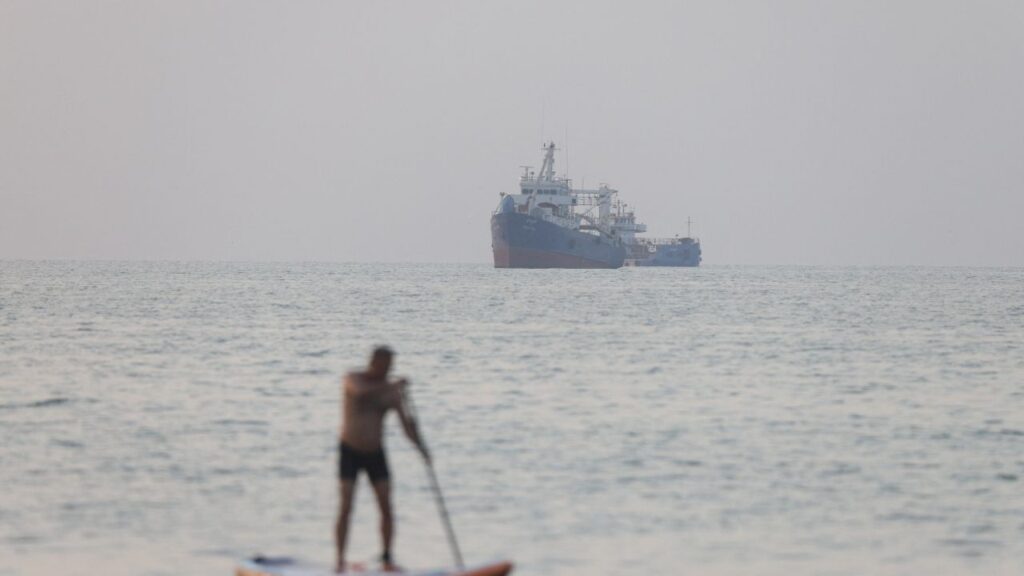
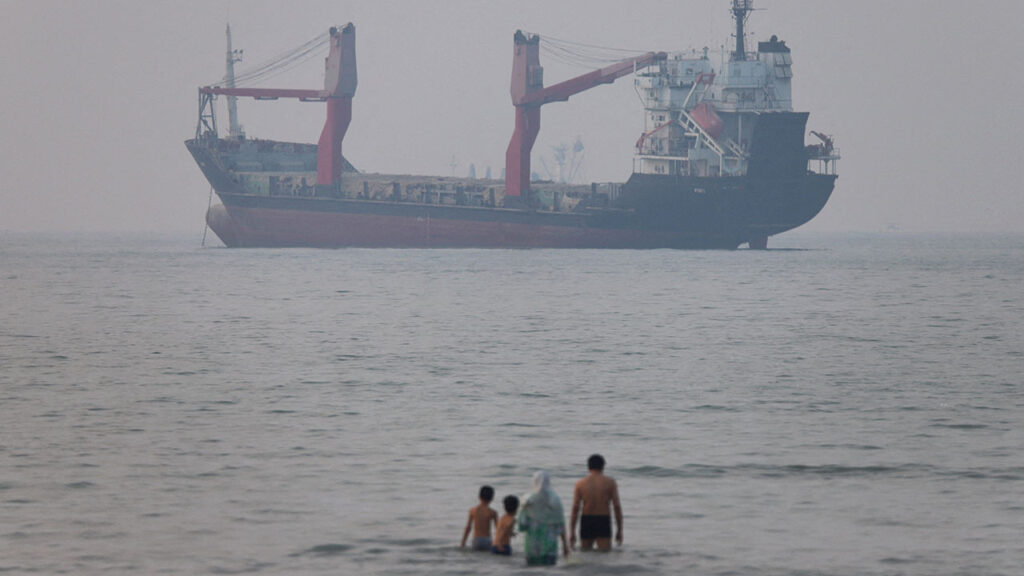
President Donald Trump had pledged that the war he began alongside Israel in late February would be swift and decisive, but the conflict has dragged on with no clear end in sight. A ceasefire signed in June collapsed just weeks later after Iran resumed its blockade of the Strait of Hormuz, the critical Persian Gulf waterway for oil and gas.
Now, Trump has been threatening Iran with “economic warfare and isolation on an unprecedented scale.” He has also warned that countries doing business with Iran would face severe penalties. Iran’s largest trading partners include China, Turkey and the United Arab Emirates.
Analysts say Iran is more likely to lash out militarily in response to heightened U.S. economic pressure than to accept Trump’s demands that it curb its nuclear program and reopen the Strait of Hormuz. Many experts are also skeptical that Trump will impose serious penalties on China, whose top leader, Xi Jinping, is slated to visit Washington next month.
Western sanctions have squeezed Iran for years, fueling inflation, unemployment and other economic ills that helped to stoke mass protests against the Iranian government earlier this year. But Iran’s leaders have not bent, and they responded to the latest unrest with a brutal and bloody crackdown that killed thousands of demonstrators, according to Iranian rights groups operating in exile.
On Sunday night, Mohsen Rezaei, a senior Iranian official, threatened that Iran could respond to economic pressure by retaliating against U.S. allies in the Persian Gulf. If the U.S.-led campaign continued, “not a single drop of oil will be exported” from the region, he wrote on social media.
“Iran will regard any country’s participation in or support for America’s economic war against the Iranian people as an act of war,” said Rezaei, who leads Iran’s powerful Supreme National Security Council.
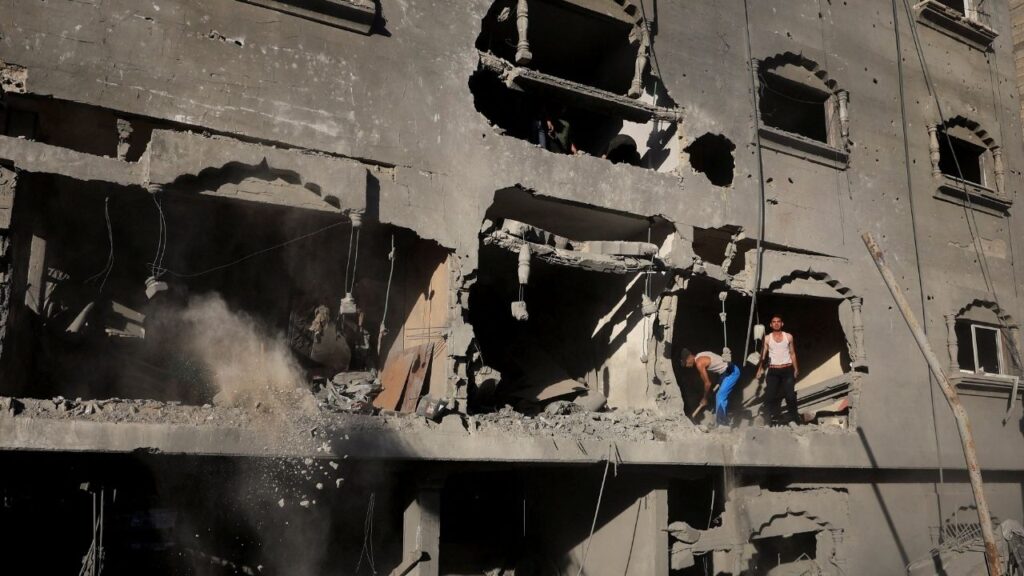
Gulf Arab countries have already borne the brunt of Iranian retaliation for the U.S.-Israeli campaign. Iran has launched drone and missile attacks against U.S. bases hosted in those countries, and it has effectively blockaded oil and gas exports via the Strait of Hormuz.
—
This article originally appeared in The New York Times.
By Aaron Boxerman and Sanam Mahoozi/Vantor Technologies
c. 2026 The New York Times Company