
|
Getting your Trinity Audio player ready...
|
Gov. Gavin Newsom of California spent his Saturday weaving through New Hampshire, campaigning with midterm candidates as he faced questions about his presidential ambitions. Next weekend, former Vice President Kamala Harris, who is weighing another White House bid, plans to be in the state with the Democratic Senate nominee. And days after that, Sen. Mark Kelly of Arizona, who is also considering a run, will appear there, too.
In the final stage of this year’s midterms, prospective presidential candidates are parachuting into battleground states to rally support for candidates on the ballot this fall, road test their stump speeches, and introduce themselves to voters and activists. The Democratic schedule is especially packed in New Hampshire, an early presidential nominating state where there is a competitive Senate race. While New Hampshire has lost its long vaunted first-in-the-nation Democratic primary status to South Carolina, it will go third in 2028.
“Got here last night from the most un-Trump state in the United States of America, California,” Newsom told the crowd in Exeter, New Hampshire, at a rally on Saturday with Rep. Chris Pappas, the Democratic Senate nominee, as well as other Democratic candidates. His 10-minute speech focused primarily on President Donald Trump.

Ambitious Republicans, too, are trying to leave lasting marks across the country in this year’s high-stakes elections. Vice President JD Vance and Sen. Ted Cruz of Texas are hitting the road for midterm candidates, including in states expected to figure prominently in the next GOP presidential race.
In both parties, the possible presidential candidates’ itineraries reflect their standings, showing where they are in demand and where they are not. At times, midterm candidates have subtly or loudly distanced themselves from some of them.
In other cases, midterm contenders have welcomed the extra attention and support. Newsom’s trip to New Hampshire follows recent visits by Sen. Raphael Warnock, D-Ga., and Pete Buttigieg, the former transportation secretary, among others. Pappas, whose roster of surrogates from outside New Hampshire has grown, is facing former Sen. John E. Sununu, a Republican.
“I think of political campaigns like building a house. You have to build the foundation first before building the walls. That’s what these visits are,” said Jim Demers, a veteran New Hampshire Democratic strategist, who like other operatives refers to the current phase as the “shadow primary.”
At the town hall event in Exeter, Newsom popped out from behind a curtain, beaming as Macklemore and Ryan Lewis’s “Can’t Hold Us” played in the background. Asked about his political future, he waved his hand and said, “It’s all about 2026.”
While others similarly say they are solely focused on this year’s elections, Democratic and Republican strategists see multiple purposes in these visits.
“A campaign for president is like having an endoscopy and a colonoscopy at the same time,” said Jesse Ferguson, a Democratic strategist. “A lot of candidates are truly deciding whether they want to do this.”
Midterm travel may be especially attractive to lesser-known politicians looking to raise their national profiles, and to those who don’t hold public office.
Buttigieg, who left his post in the Biden administration in early 2025, has endorsed more than 100 candidates this cycle and campaigned for them in more than 30 states. Gov. Andy Beshear of Kentucky has headlined Democratic Party dinners or conventions in nine states, including several that will hold early presidential primaries. Rep. Ro Khanna of California has campaigned for more than 70 candidates.
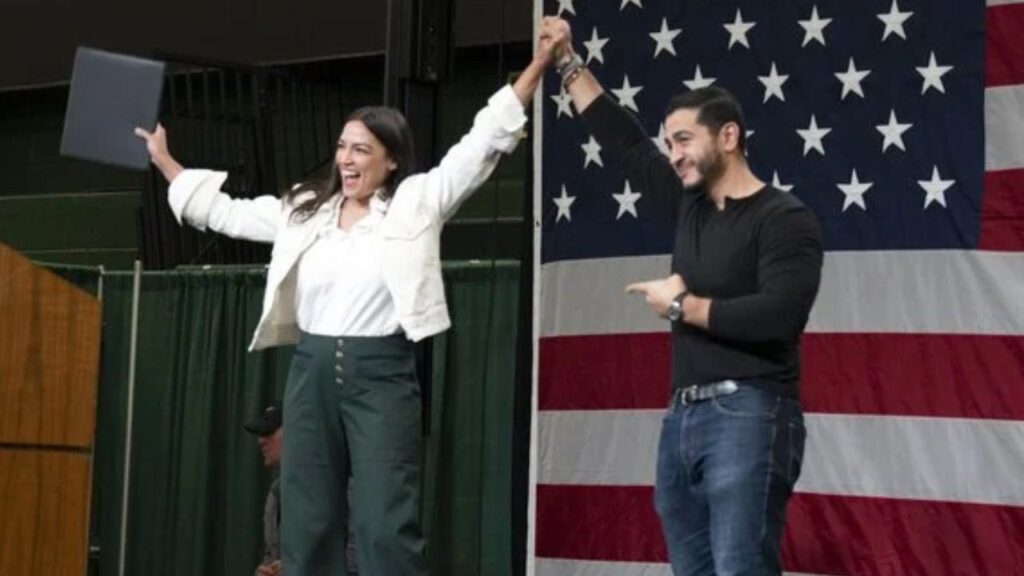
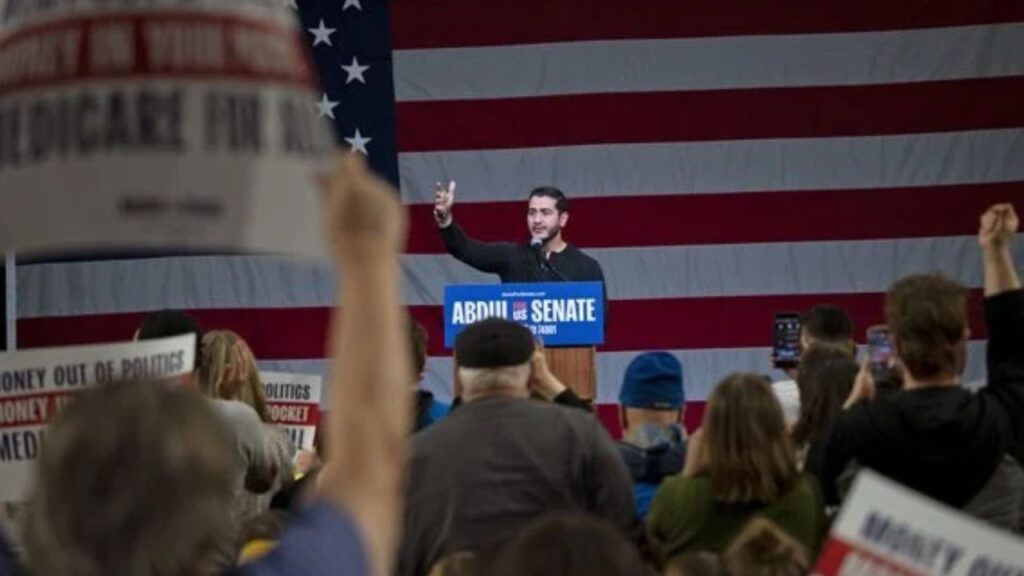
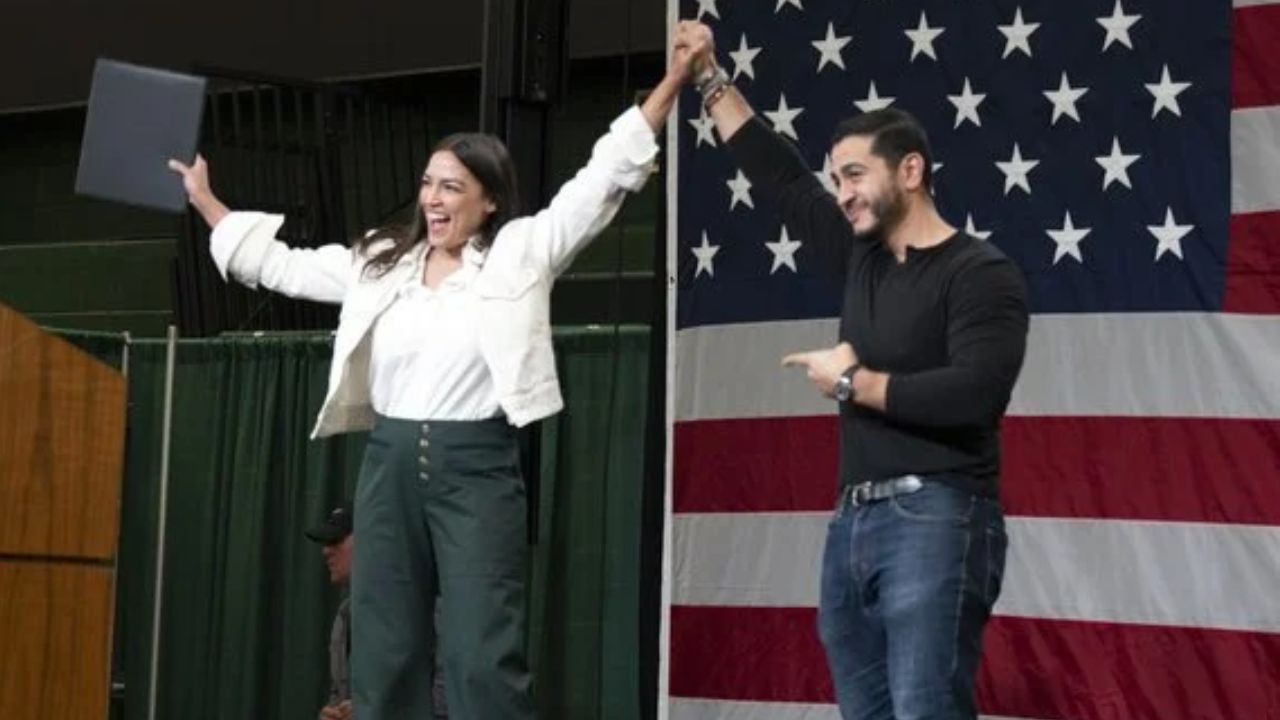
Others have been more selective with their travels. Rep. Alexandria Ocasio-Cortez, D-N.Y., recently campaigned in Michigan, another early-nominating state, with Abdul El-Sayed, the Democratic nominee for Senate. She plans to appear in Maine this week with Troy Jackson, the Democratic Senate nominee there.
The country faces a “pivotal and consequential moment,” Ocasio-Cortez said in Michigan on Friday. She brushed aside speculation about her 2028 plans, saying, “What matters right now is the next 19 days.”
Harris also recently appeared with El-Sayed. She plans to visit Nevada, an early-nominating state, as well as Mississippi, Georgia and Wisconsin.
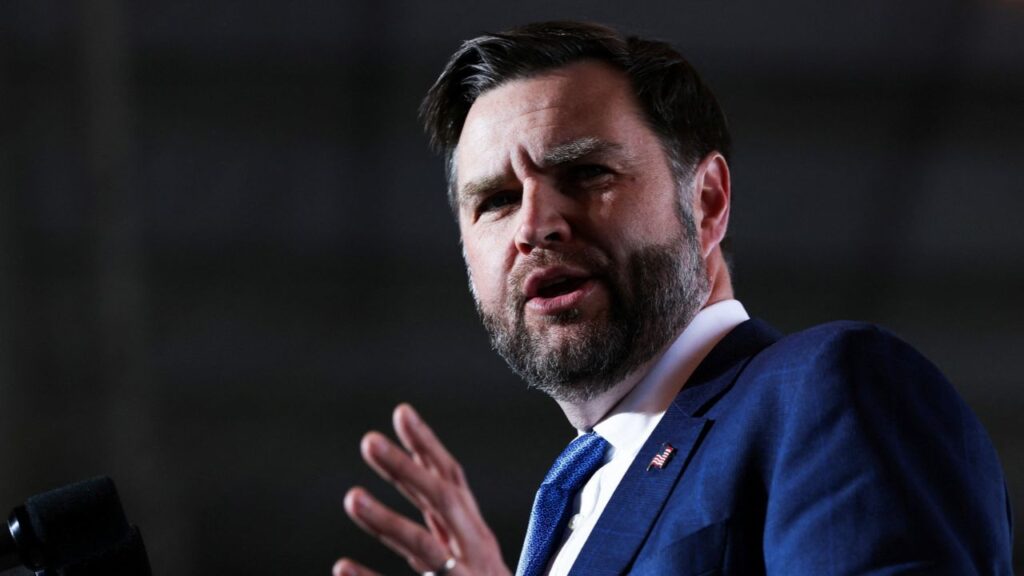
On the Republican side, Vance has campaigned in Kansas, Michigan and other battlegrounds. In Michigan on Thursday, he called the Senate contest “the most important race in the United States of America,” as he stumped for Mike Rogers, the Republican nominee.
Trump’s sinking approval ratings have made the president and, by extension, Vance a liability for some battleground candidates, as they seek to energize the party’s base voters. When Vance held a rally in Iowa last month, Ashley Hinson, the Republican nominee for Senate, didn’t attend, citing scheduling conflicts.
Republican “candidates in swing seats want his voters, not necessarily his baggage,” said Matt Klink, a Republican strategist in California, speaking of Trump.
Cruz, who has clashed publicly with Vance, has raised money and campaigned in his home state of Texas for Ken Paxton, the Republican Senate nominee in a tight contest, and visited Iowa, which has been an early Republican nominating state, among other places.
Defense Secretary Pete Hegseth, a frequent target in Democrats’ campaign attacks, has also campaigned for Republicans this cycle in Iowa and Kentucky, a departure from past Pentagon officials who have stayed out of politics.
In New Hampshire, Derek Thibeault, 55, the chair of the Nashua Democratic City Committee, said he approached Newsom at an event on Saturday and asked the governor to let him know when he’d be back to campaign for the White House.
“He gave me a big laugh, but he didn’t say no,” Thibeault said.
—
This article originally appeared in The New York Times.
By Evan Gorelick/Zbigniew Bzdak
c. 2026 The New York Times Company