


|
Getting your Trinity Audio player ready...
|
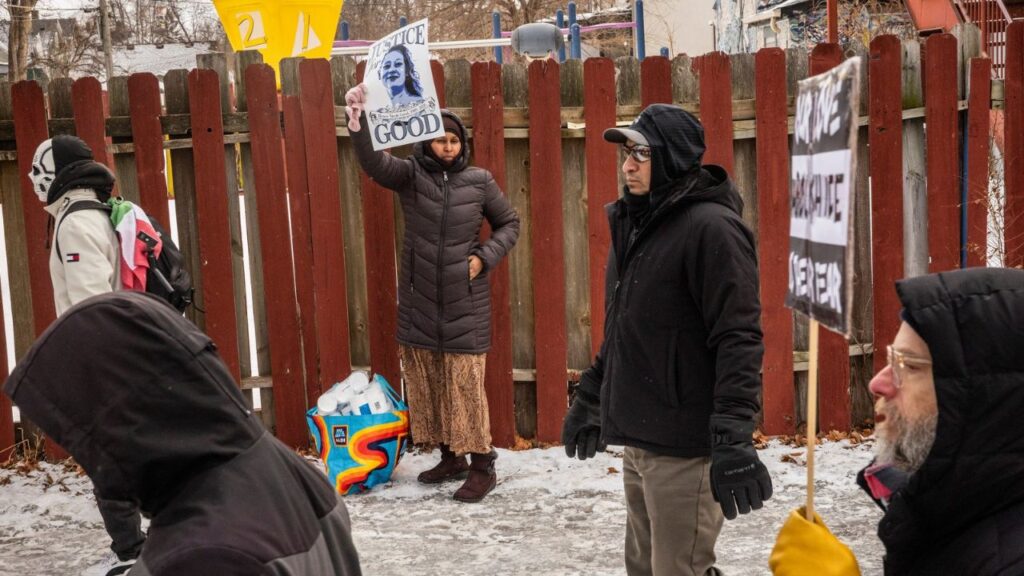
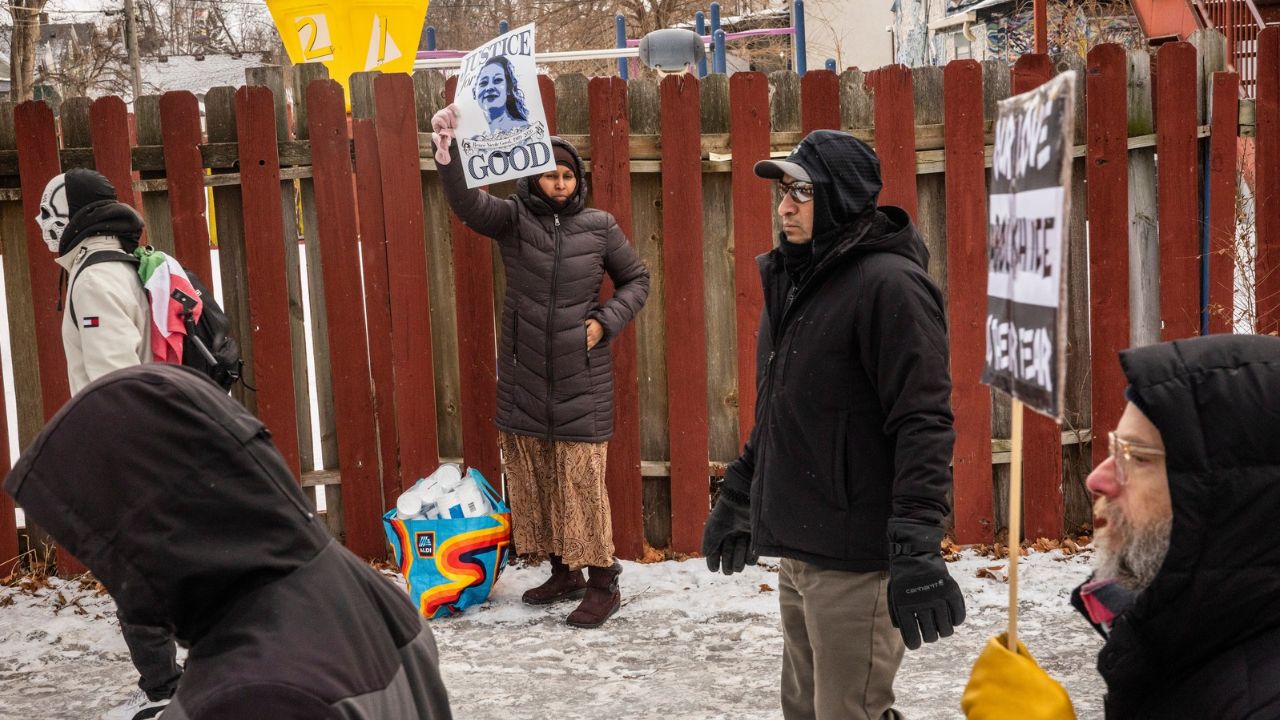
MINNEAPOLIS — Relatives of Renee Good, the Minneapolis woman fatally shot by an Immigration and Enforcement agent this year during the Trump administration’s immigration crackdown, filed two federal lawsuits Thursday, including one against the officer who shot her and several top officials in the Trump administration.
The lawsuits, filed in Minnesota federal court, accused the ICE agent, Jonathan Ross, of having placed himself at risk by standing in front of Good’s car during a tense confrontation on Jan. 7 and unjustifiably using deadly force.
In addition to Ross, one lawsuit also names as defendants Kristi Noem, the former secretary of homeland security; Stephen Miller, the top White House official overseeing immigration policy; Thomas D. Homan, the White House border czar; Todd Lyons, the former director of ICE; and Gregory Bovino, a former senior Border Patrol official.

That suit says Good’s death was the result of an immigration operation in Minnesota that was driven by unconstitutional racial animus against Somali and Hispanic people.
“She was killed on a public street, while doing what thousands of her neighbors were doing that winter: watching masked, armed men terrorizing her community and refusing to look away,” the lawsuit says.
The second lawsuit, which lists the U.S. government as a defendant, is filed under a 1964 law that allows plaintiffs to seek redress for deaths caused by negligence.
The White House and the Department of Homeland Security did not immediately respond to requests for comment.
Good, a U.S. citizen, was fatally shot inside her vehicle a few blocks from her home in south Minneapolis. The shooting followed a brief argument that she and her partner, Becca Good, had with immigration officers who were part of a surge of agents deployed to Minnesota to round up immigrants in the country illegally last winter.
Noem and other top administration officials quickly said the shooting was justified and accused Good of trying to run over the ICE agent with her vehicle.
Federal agents and agencies have broad immunity from lawsuits filed over the use of deadly force. To prevail, plaintiffs must clearly establish that a federal law enforcement officer violated a person’s constitutional rights.
Federal agents can use deadly force if they have a reasonable belief that the person poses a threat of grave bodily harm to the officer or others. Typically, the FBI generally conducts a civil rights investigation to assess whether an agent who has used deadly force acted lawfully.
But shortly after Good’s killing, Attorney General Todd Blanche, then the deputy attorney general, said he saw no reason for a civil rights investigation into Good’s shooting. In the days that followed, the Justice Department opened an investigation focusing on Becca Good’s links to protest groups.
Federal officials have not provided updates about that investigation. Ross, the agent who shot Renee Good, has not spoken publicly about the case.
—
This article originally appeared in The New York Times.
By Ernesto Londoño/David Guttenfelder
c. 2026 The New York Times Company