

|
Getting your Trinity Audio player ready...
|
For generations, families and agricultural workers in the San Joaquin Valley have fed California and the nation through hard work, ingenuity, and enterprise. Today, a changing climate is making that job harder and more expensive. Relentless summer heat, chronic water shortages, and rising energy costs are putting mounting pressure on farms, workers, families, and businesses across the Valley.

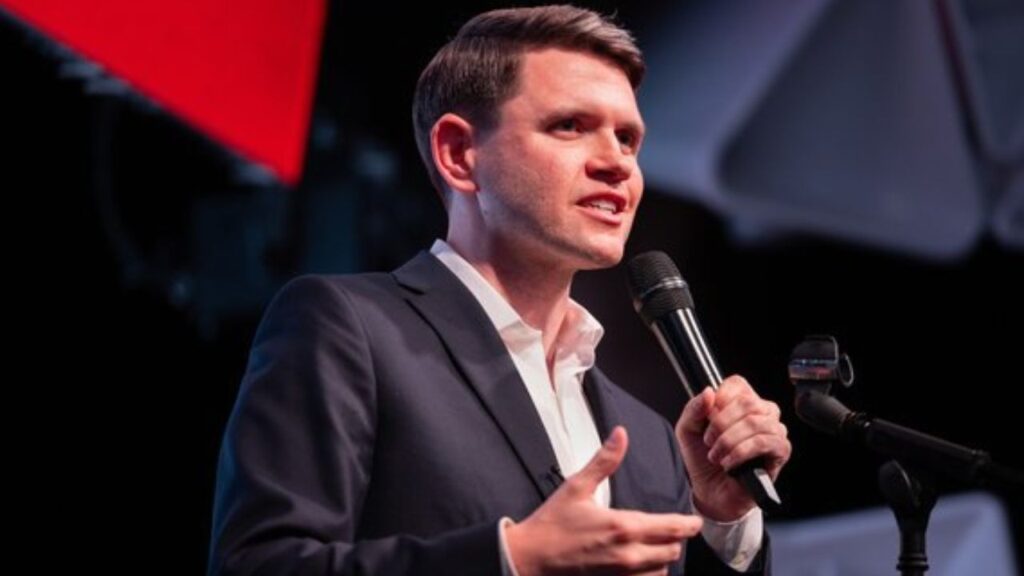
By Sean Boyd
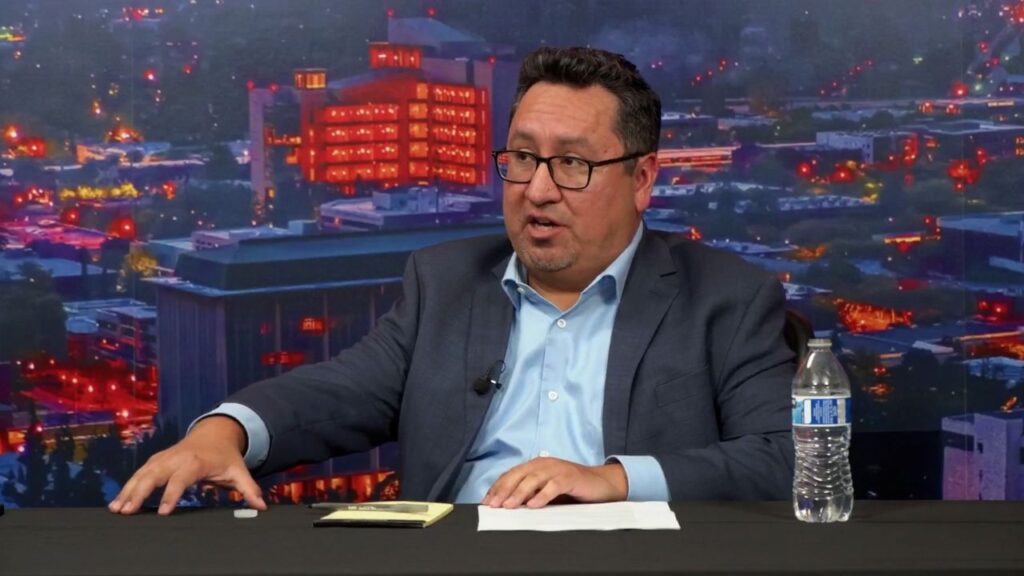
Rob Kahn
Opinion
These are not abstract environmental debates. They are hard pocketbook realities. Extreme heat endangers outdoor crews, while strict groundwater limits leave productive farmland fallowed and drive up the cost of pumping water from deeper underground. At the same time, Valley families and small business owners face some of the highest electric rates in the country, straining household budgets and local commerce alike.
Using NOAA records, Climate Central reports that Fresno experienced 33 more hotter-than-normal summer days in 2025 than in 1970. More frequent extreme heat days increase health hazards for outdoor workers, strain crops, and force air conditioning units to run continuously, pushing neighborhood power grids to their limits. In a regional economy that depends on outdoor labor and agriculture, hotter summers carry direct financial consequences.

Big Opportunities in the Valley
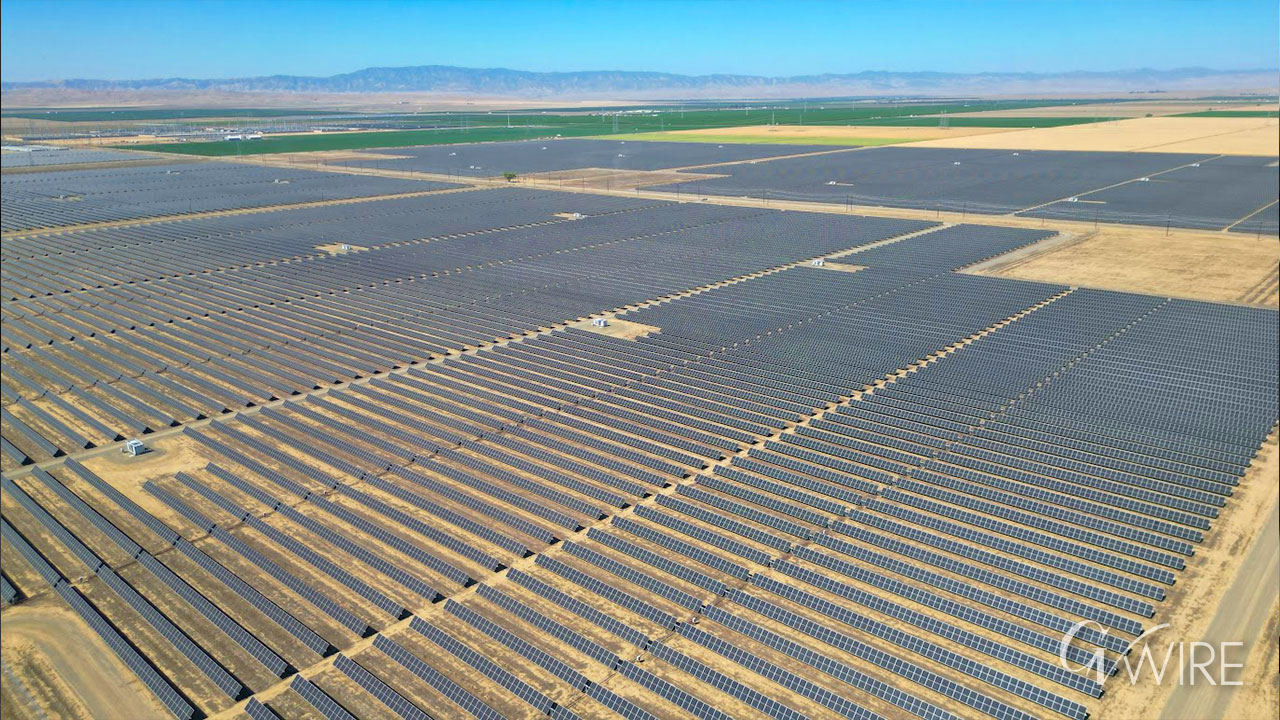
Yet the Valley’s challenges also offer a major economic opportunity. As water constraints take hundreds of thousands of acres out of agricultural production, that idle ground can be put to productive commercial use. In appropriate locations, solar generation and battery storage can transform land that can no longer be sustainably irrigated into a new economic engine — creating jobs, generating steady revenue for landowners, and powering regional growth.
A prime example is Westlands Water District’s Valley Clean Infrastructure Plan. The plan blueprints the repurposing of up to 136,000 acres of water-stressed, drainage-impaired farmland into clean energy development, with a potential capacity of up to 21 gigawatts of solar power and battery storage.
The projected economic return is substantial. The buildout is estimated to create roughly 6,000 construction jobs and more than 1,000 permanent operations positions, with most expected to go to local workers. Farmers gain reliable lease revenues from fallowed parcels, allowing them to reinvest in their most productive acres while conserving scarce water. Crucially, the buildout will generate millions in new property-tax revenues for local governments, supporting schools, public safety, and road maintenance without raising taxes on local residents.
Goals: Lower Utility Bills, Resilient Grid, Economic Prosperity
Capturing these benefits requires vigilant oversight. As regional energy demand grows, the cost of expanding transmission and substation infrastructure to serve any large, energy-intensive industrial demand must not fall unfairly on Valley households and small businesses. Smart energy planning must also protect our best food-producing farmland, ensuring solar projects are built on fallowed parcels rather than taking prime soil out of production. The objective must be lower utility bills, a resilient grid, and local economic revitalization.
Valley residents understand the stakes. According to the Yale Program on Climate Change Communication, 69% of adults in the Fresno metropolitan area are worried about global warming, and 59% want Congress to do more. For most Valley families, this is not about political ideology. It is about kitchen-table priorities: protecting our water supplies, keeping utility bills affordable, and defending workers from dangerous heat.
Key Questions for Candidates
These priorities belong at the ballot box. As voters evaluate candidates for local, state, and federal office, nonpartisan candidate accountability is essential. Voters should ask three practical questions:
— What is your concrete plan to protect Valley water rights, fund groundwater recharge, and sustain agricultural productivity under worsening drought cycles?
— How will you support homegrown solar, battery storage, and transmission upgrades that create local jobs and lower electric bills?
— How will you protect residential ratepayers and small businesses from unfair utility rate hikes driven by grid expansions that serve energy-intensive industrial customers?
The Central Valley has the land, the sunshine, and the skilled workforce to turn our greatest environmental pressures into durable economic strength. By treating climate resilience through the practical lens of jobs, water security, and affordable power, we can safeguard our economy and the land that feeds America.
About the Authors
Sean Boyd is a resident of Fresno and a Geography Instructor at Fresno City College. Rob Kahn has over 20 years of experience in communications research and volunteers as co-lead of the Meteorologist Outreach Action Team at Citizens’ Climate Education.
Make Your Voice Heard
GV Wire encourages vigorous debate from people and organizations on local, state, national, and international issues. Submit your op-ed or letter to bmcewen@gvwire.com for consideration.