


|
Getting your Trinity Audio player ready...
|
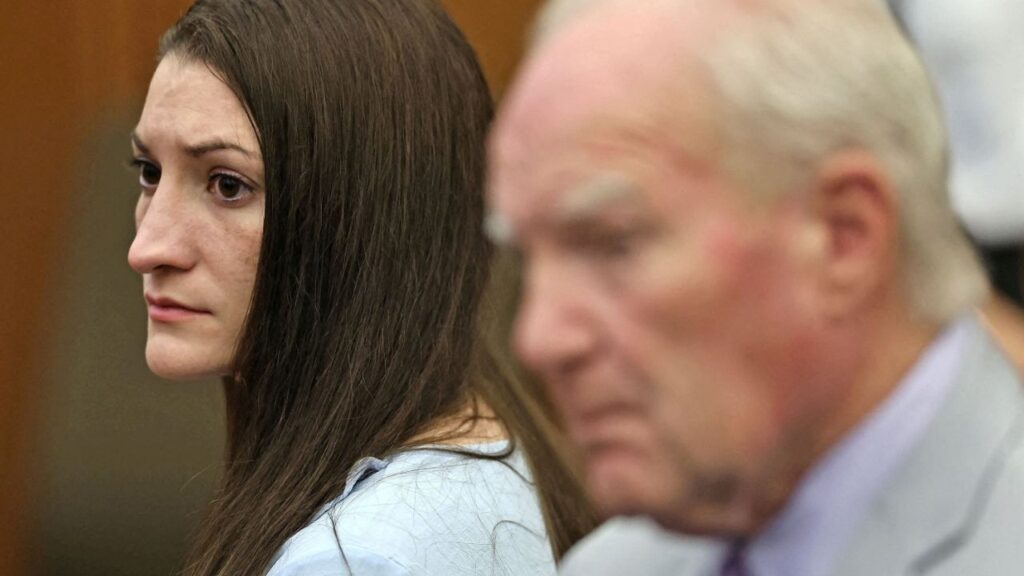
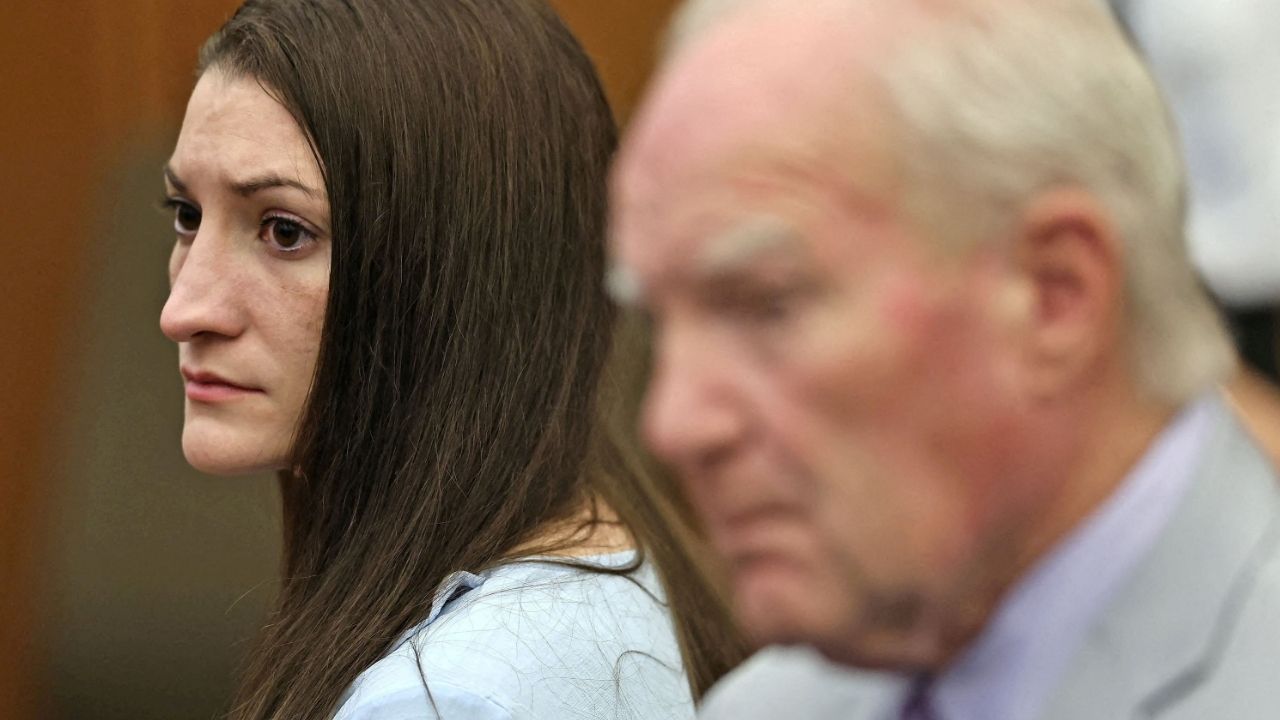
Lindsay Clancy’s defense lawyer has asked a Massachusetts judge to investigate the holdout juror in the murder case, which ended this month in a mistrial.
The motion from the lawyer, Kevin Reddington, dated on Friday, asks the judge, William Sullivan, to examine the juror’s mobile phone metadata during the time that the jury was deliberating over whether Clancy should be found guilty of murdering her three children.
It asks the court to preserve the original questionnaires for the deliberating jurors and alternates, and all the jury notes and the court’s responses.

It also asks the judge to examine the holdout juror on the record in front of lawyers, including asking him questions about the truthfulness of the information he provided during jury selection and the use of a phone or any other outside information during deliberations.
“The inquiry will not touch the substance of deliberations,” the motion said.
The motion doesn’t publicly seek a particular outcome from any investigation, though the defense filed additional documents under seal. It is unclear on what grounds the jury’s decision could be reversed.
“This able attorney is obligated to leave no stone unturned,” Jack Lu, a retired Massachusetts Superior Court judge, said by text Monday, referring to Reddington. Still, he said, undoing the mistrial would be a long shot.
Clancy, 36, did not deny strangling her children. Her lawyers argued that she had been in the grip of postpartum psychosis and mounted an insanity defense. The jurors were deciding whether she should be held criminally responsible and ultimately deadlocked, 11-1.
The holdout juror, Michael P. Desronvil, said Friday that he had no doubts about Clancy’s guilt. He said in a statement that other jurors had repeatedly cut him off during deliberations when he tried to propound his theories of the case. He defended himself against accusations from some of the other jurors, who said he refused to follow the law regarding reasonable doubt.
Efforts to reach Desronvil’s lawyer were not immediately successful Monday.
Valerie Hans, a law professor at Cornell University who studies juries, said Reddington’s motion “leaves a bad taste in your mouth.”
This kind of request typically happens only after a conviction, where the defense says that there was fraud, bribery or racist statements among jurors, she said.
The Clancy motion could signal to potential jurors “that privacy doesn’t matter if you come up with the wrong views in a case, views that the rest of the jury did not support,” Hans said.
After highly publicized debate about the hung jury in this trial and the latest motion, Hans said potential jurors may think, “Could I be in trouble? Could I have my phone taken from me and inspected?”
—
This article originally appeared in The New York Times.
By: Maia Spoto
c.2026 The New York Times Company