
|
Getting your Trinity Audio player ready...
|
WASHINGTON — Senate Democrats on Tuesday blocked the annual defense policy bill, registering their discontent about President Donald Trump’s handling of the war in Iran just days after the administration formally notified Congress that U.S. military operations had resumed.
The vote reflected how the National Defense Authorization Act, sprawling legislation that outlines pay for U.S. troops and almost always advances with broad bipartisan support, has become the latest political battleground over the war in Iran, which Trump undertook without congressional authorization.
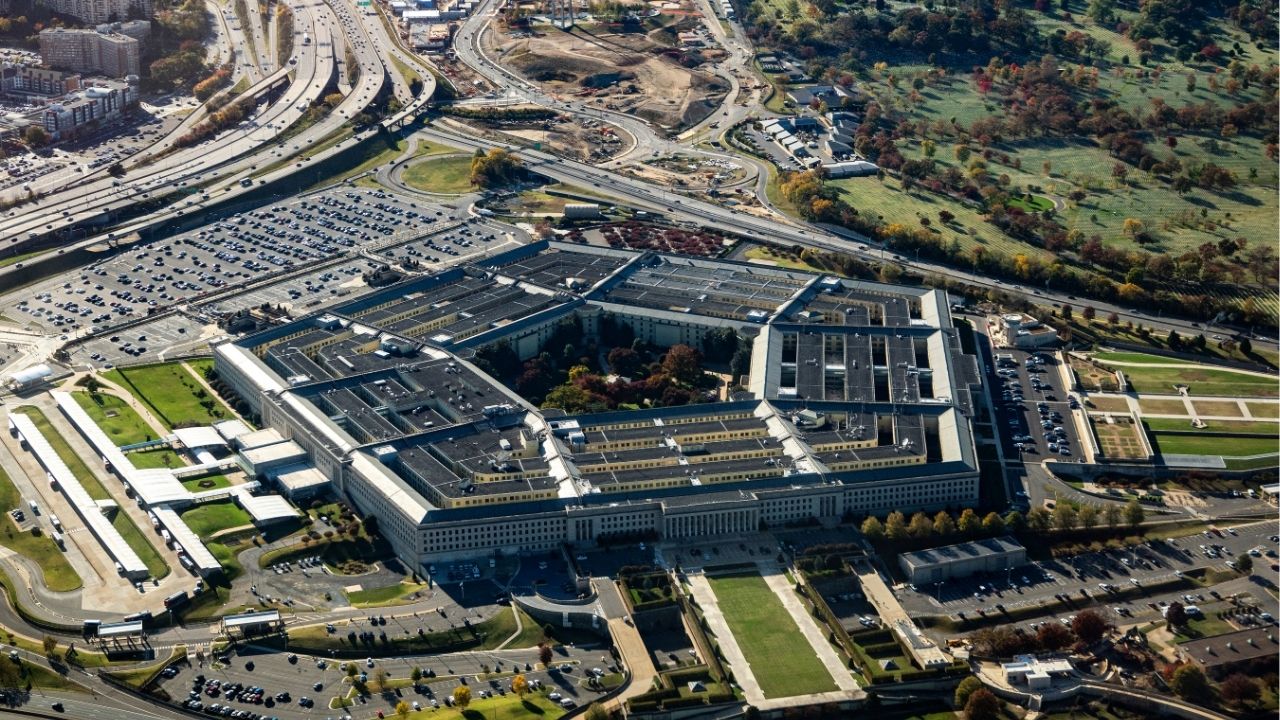
On a nearly party-line vote of 50-46, Republicans fell short of the 60 votes they needed to bring up the bill for debate, leaving uncertain the fate of a vital measure setting Pentagon policy and program funding.

Democrats argued that Congress could not move ahead with the bill, which would authorize more than $1 trillion in military spending, while the administration was pressing forward with a war that has been rebuked by bipartisan majorities in both chambers.
“Republicans want the Senate to take up the NDAA, the defense bill, as though none of this is happening,” Sen. Chuck Schumer, D-N.Y., the minority leader, said on the Senate floor. “As though Congress can debate the nation’s central national security bill while ignoring the nation’s most urgent national security crisis. We cannot.”
He said backing the defense policy measure would be akin to Democrats signing “a permission slip for that recklessness that we see occurring in Iran.”
The move came just days after the United States and Iran resumed fighting, marking the collapse of the month-old ceasefire, and Trump notified lawmakers in a letter that hostilities with Iran had resumed on July 7. The administration argued that notice began a new 60-day period under the War Powers Resolution during which the president can continue military operations without authorization from Congress.
The standoff over the defense bill was the latest escalation in a monthslong political fight over the war, which has spilled into nearly every major national security debate on Capitol Hill.
Sen. Mark Kelly, D-Ariz., a member of the Armed Services Committee, said he had tried unsuccessfully to improve the defense bill through amendments before ultimately concluding he could not support even beginning debate.
“I tried to get it into a much better place,” Kelly said, explaining that several of his proposed changes were rejected before he voted against proceeding to the legislation.
Sen. Peter Welch, D-Vt., argued that the legislation ignored the war in Iran.
“This National Defense Authorization fails to address the critical question that is before this country right now, and that is the war in Iran,” Welch said in a floor speech urging colleagues to oppose advancing the bill.
He also criticized the legislation more broadly, saying it “fails to address the changing nature of warfare, by spending half a trillion dollars more on weapons systems that are the weapons systems of yesterday,” while committing taxpayers to enormous new expenditures “with absolutely no outline of how we’re going to pay for it.”
Sen. Tammy Duckworth, D-Ill., another member of the Armed Services Committee, likewise tied her opposition directly to the conflict.
“The Senate cannot authorize $1.14 trillion in defense spending — the largest defense budget ever proposed in our nation’s history — for Donald Trump to continue his illegal and disastrous war that Americans do not want,” she said in a statement.
“Simply throwing more money at an out-of-control military operation is not strategy; it’s a recipe for a forever war,” she added. “The stakes couldn’t be higher, and I cannot support a defense authorization bill that doesn’t include my amendment to end this illegal war.”
Republicans countered that Democrats were jeopardizing one of Congress’ most important responsibilities by injecting unrelated political disputes into legislation that directs spending for the nation’s armed forces.
Sen. Deb Fischer of Nebraska, a senior Republican on the Armed Services panel, accused Democrats of putting politics ahead of national security.
“It’s really disappointing,” Fischer said. “I think it shows just how much politics has gotten to the point that it’s putting our country’s security in jeopardy. They’re putting party above country.”
The failed procedural vote left uncertain when, or under what conditions, Senate leaders would be able to begin consideration of the defense policy bill.
—
This article originally appeared in The New York Times.
By Robert Jimison/Kenny Holston
c. 2026 The New York Times Company