
The United States and Iran traded attacks in the last 24 hours, complicating negotiations over a framework for a deal to end the war.
The U.S. military said late Sunday that it had attacked radar and command sites in southern Iran over the weekend, the latest in a litany of low-level strikes amid strained negotiations to end the U.S.-Israeli war with Iran that began in late February.
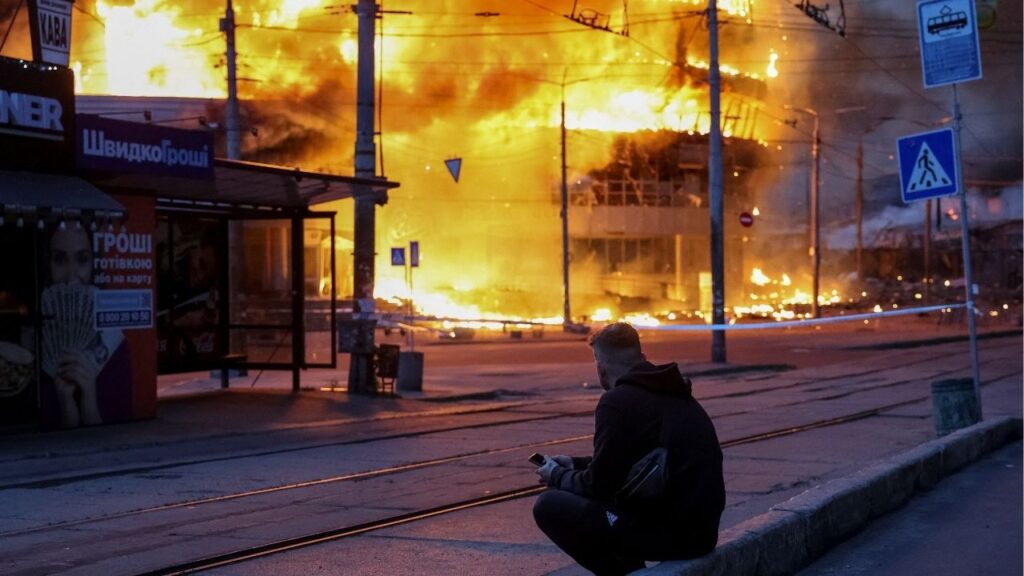
The U.S. military’s Central Command, which oversees Middle East operations, said in a statement that it had retaliated against Iran for shooting down a U.S. drone in the area. Fighter jets attacked Iranian air defenses, among other sites, the military said.

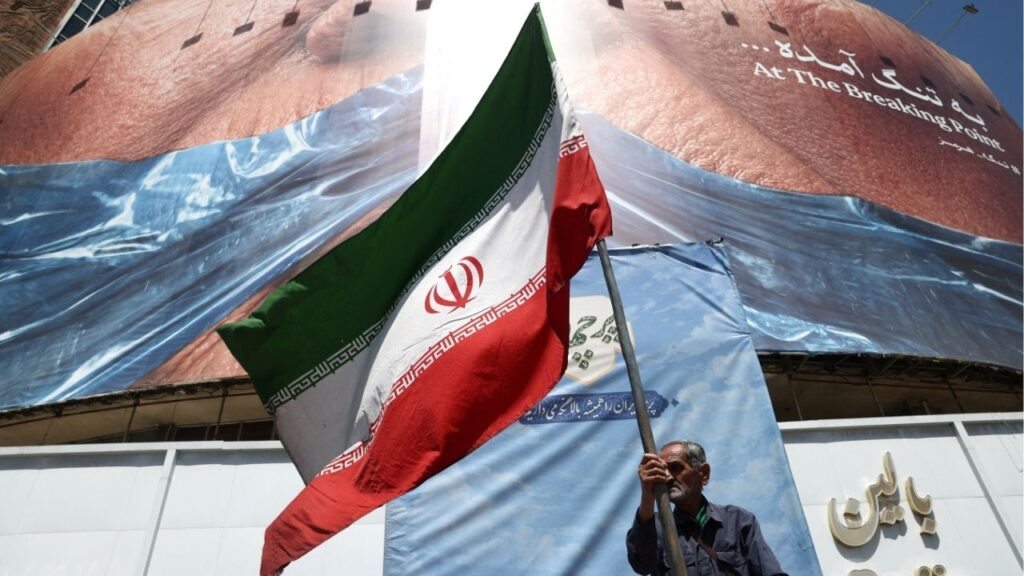
Less than an hour later, Iran’s Revolutionary Guard said its forces had targeted a military base from which a U.S. attack on a communications facility in southern Iran had originated, Iranian state media reported.
Kuwait, which hosts U.S. military bases, accused Iran on Monday of launching a new wave of attacks against its territory, but did not confirm whether a base had been targeted.
It was not immediately clear how the latest strikes would affect U.S.-Iranian negotiations over a framework for a deal to end the war and lift Iran’s effective blockade of the Strait of Hormuz in the Persian Gulf, a vital waterway for oil and gas shipments.
Talks to end the war have advanced in fits and bursts. Last week, officials familiar with the negotiations said U.S. and Iranian negotiators had agreed on a document that had been sent to the two countries’ leaders for approval.
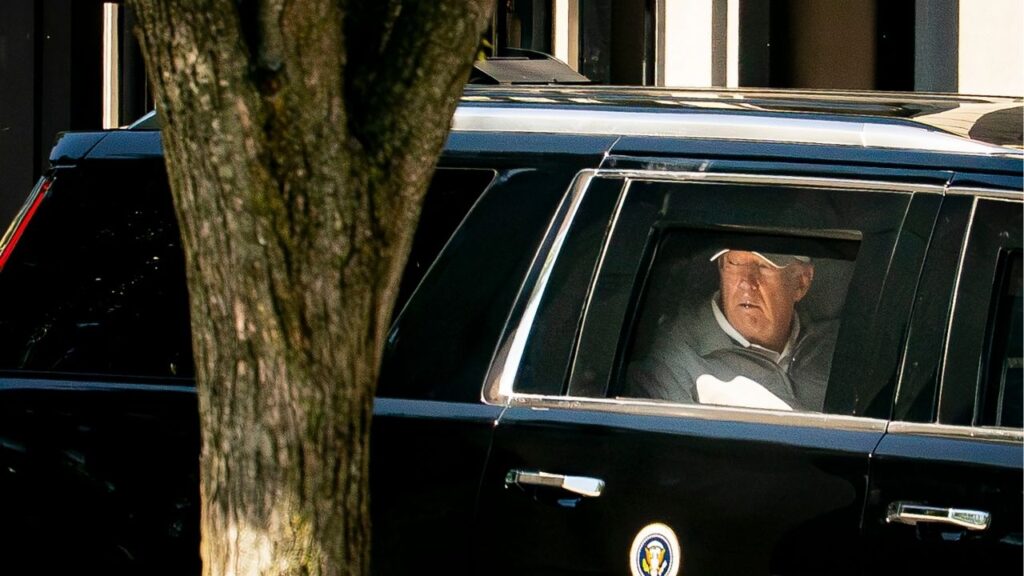
It is unclear whether Ayatollah Mojtaba Khamenei, the Iranian supreme leader believed to be in hiding, responded to the proposal. But President Donald Trump has pushed to toughen the terms of the deal, sending a revised document to Iran, according to three officials who spoke anonymously because they could not discuss the matter publicly.
Fighting in Lebanon was also complicating efforts to reach a broader agreement to end the war. Iran demanded that a ceasefire in Lebanon between Israel and Hezbollah, an Iran-backed militia, be implemented as part of earlier talks that led to an April ceasefire.
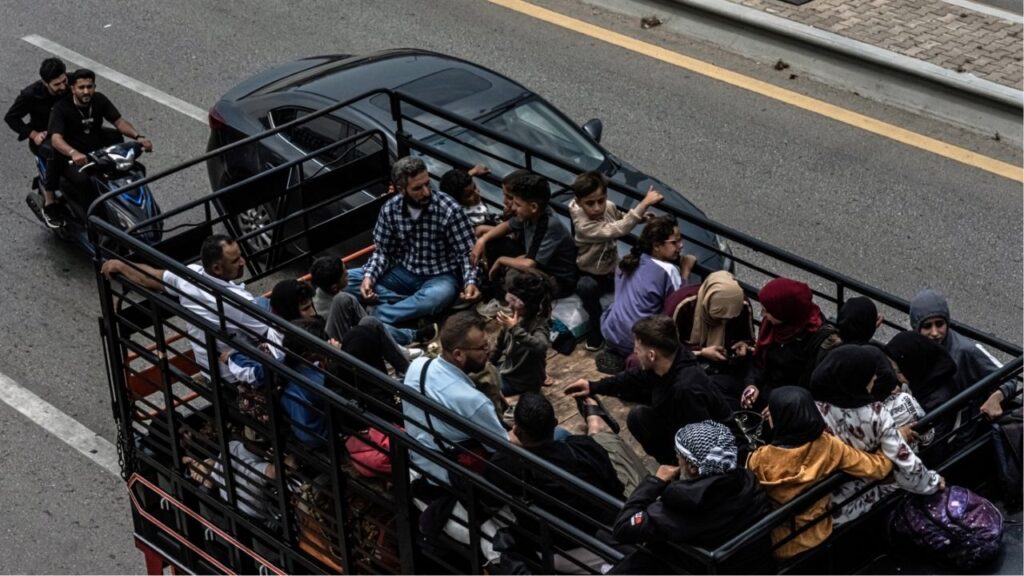
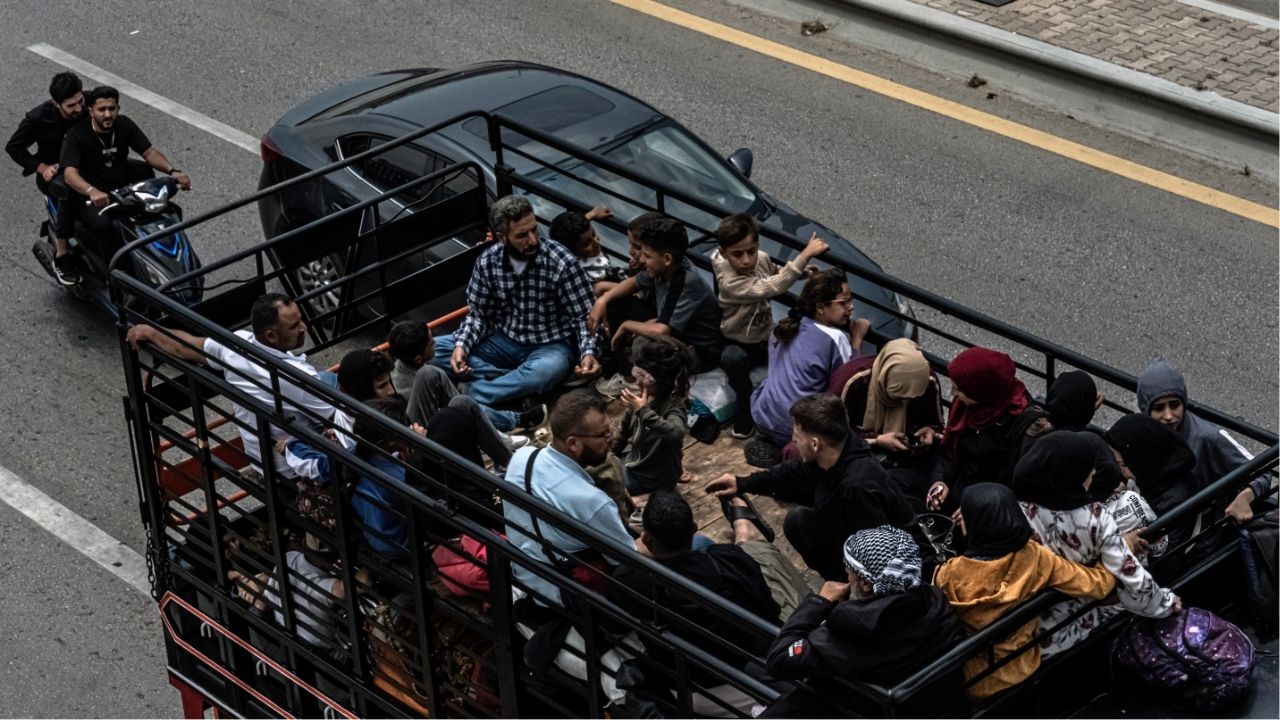
On Monday, Prime Minister Benjamin Netanyahu of Israel said in a statement that he had ordered the Israeli military to attack the southern outskirts of Beirut, the Lebanese capital, as part of the widening campaign against Hezbollah. Thousands fled Beirut’s southern suburbs, clogging the roads with traffic after the Israeli threat.
Here’s what else we’re covering:
— Energy markets: Oil prices climbed Monday as investors weighed a renewed exchange of military strikes between the United States and Iran.
— Trump comments: Trump said on social media early Monday that Iran wanted a deal and suggested that criticism from Republicans and Democrats had made negotiations more difficult.
— Lebanon castle: The Israeli military said Sunday that it had captured a strategic, Crusader-era castle in southern Lebanon as part of the most sweeping Israeli invasion in the country in decades.
— Strait of Hormuz: U.S. forces have helped coordinate the passage of around 70 commercial ships through the Strait of Hormuz in the last three weeks, according to U.S. officials.
—
This article originally appeared in The New York Times.
By Aaron Boxerman, Yan Zhuang and Christina Goldbaum/Daniel Berehulak
c. 2026 The New York Times Company