
|
Getting your Trinity Audio player ready...
|
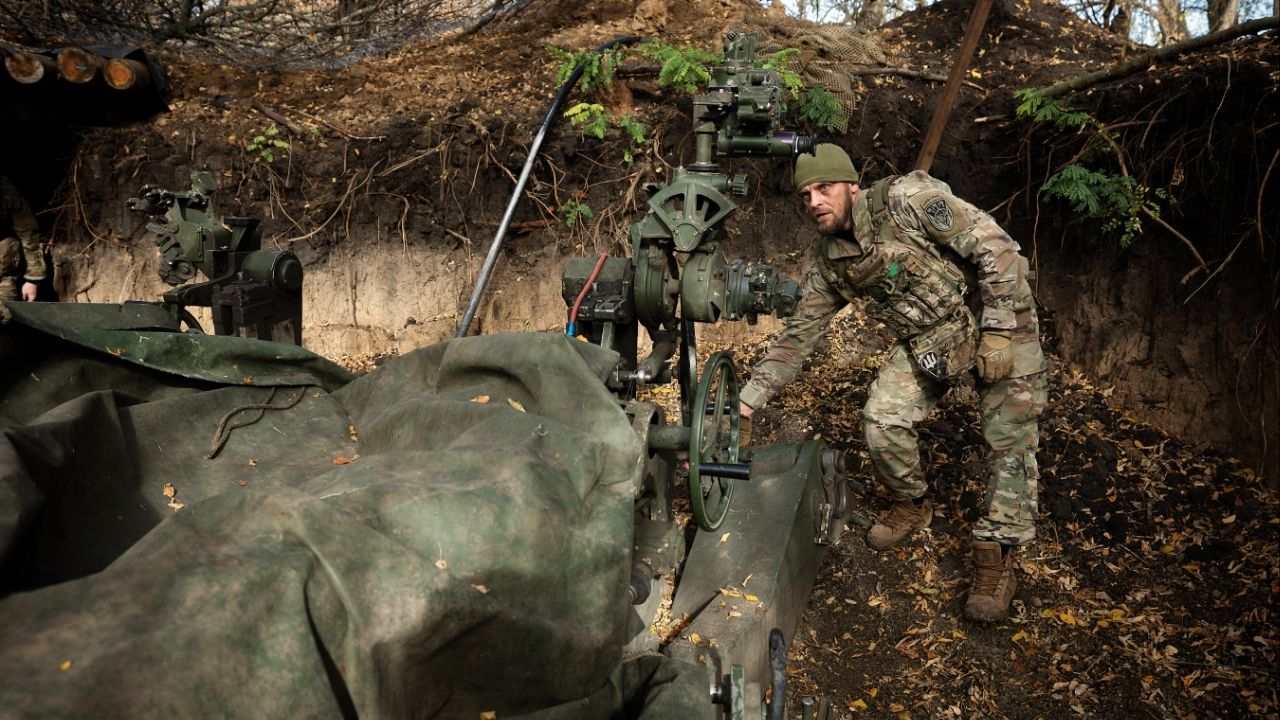
LONDON — Three weeks ago, President Donald Trump sent shock waves across Europe with a 28-point peace plan for Ukraine that strongly echoed Russian talking points.
Now, Ukraine’s leaders have responded with a counterproposal that demands legal guarantees of protection against future Russian aggression, according to descriptions of the plan by European leaders and diplomats.
The 20-point Ukrainian plan for ending nearly four years of fighting is part of a broader response to Trump’s demand, made in his proposal last month, that Ukraine secure peace by relinquishing more land than Russia currently occupies. Ukrainian and European leaders say that would humiliate Ukraine while rewarding Russia for its aggression.

In press briefings this week, President Volodymyr Zelenskyy of Ukraine has said the Ukrainian proposal now under discussion consists of three documents, including one that would lay out plans for rebuilding parts of the country that have been reduced to rubble and another that would compel the United States and European nations to come to Ukraine’s aid if it were attacked again.
The proposals, sent to Washington for review Wednesday night, were the product of a flurry of intense diplomacy by Zelenskyy in recent days, including meetings in London, Brussels and Rome, and at least one conversation between European leaders and Trump.
Zelenskyy said Thursday that he had told U.S. negotiators that the security guarantees in the proposal should be submitted to the U.S. Congress in a bid to make them legally binding. He told reporters that “the security guarantees document we’re working on will ultimately go to Congress, and it will require congressional support. We need effective security guarantees.”
In a separate social media post Thursday, Zelenskyy added that it would be critical to ensure that the guarantees are rigorous enough to prevent a future Russian invasion. He said it needed to be more robust than a 1994 agreement known as the Budapest Memorandum, which Russia violated when it seized Crimea in 2014 without incurring military opposition from the United States and other countries.
“That is why it is essential that this document on security guarantees provides concrete answers to what concerns Ukrainians the most,” Zelenskyy wrote. “What actions partners will take if Russia decides to launch its aggression again.”
But Zelenskyy said the U.S. negotiators had already begun pushing for changes to the Ukrainian proposals.
He said late Thursday that the United States wanted to create a “free economic zone” in which neither troops from Ukraine nor troops from Russia would be present. Zelenskyy expressed some skepticism about the idea.
“When you talk to us about a compromise,” Zelenskyy said about the U.S. proposal, “you must offer a fair compromise.”
Zelenskyy has said that any concession of territory should be put to voters in Ukraine. Recent surveys have found that most people in the war-torn country do not support the idea of giving up territory to get peace.
Still, the idea of a demilitarized zone in Ukraine is expected to be among the topics discussed at a meeting of high-level national security officials from Europe and Ukraine in Paris on Saturday. And European leaders are expected to attend another summit on the issue in Berlin on Monday.
Zelenskyy held talks Thursday with U.S. negotiators, including Secretary of State Marco Rubio, Secretary of Defense Pete Hegseth and other national security officials.
White House spokesperson Karoline Leavitt said Trump had not yet decided whether to send a representative to the meeting Saturday because he was frustrated by what he considered to be too much talk and not enough action by European diplomats.
“The president is extremely frustrated with both sides of this war,” she told reporters Thursday. “He doesn’t want any more talk. He wants action. He wants this war to come to an end.”
—
This article originally appeared in The New York Times.
By Michael D. Shear/Tyler Hicks
c. 2025 The New York Times Company