
|
Getting your Trinity Audio player ready...
|
The United States said it had fired on two Iranian-flagged oil tankers Friday, as Iran’s foreign minister accused the United States of “a reckless military adventure” and of undermining diplomatic efforts to end the war.
U.S. Central Command said it had disabled the two tankers as they tried to reach an Iranian port. The latest strikes came a day after the U.S. military and Iran exchanged fire in the Strait of Hormuz — fighting that the Iranian military said was triggered by an earlier U.S. attack on another Iranian tanker.
They also came as Iranian officials have said Washington and Iran are debating a one-page U.S. proposal for the sides to reopen the strait and cease hostilities for 30 days as they negotiate a comprehensive deal to end the war.

Secretary of State Marco Rubio, asked about the state of negotiations, said the United States expected a “response” from Iran on Friday. And despite the exchanges of fire in recent days, both President Donald Trump and Iran’s Foreign Ministry have insisted that their monthlong ceasefire was holding.
U.S. Central Command said Thursday that “unprovoked Iranian attacks” on three U.S. destroyers had involved missiles, drones and small boats. In response, the U.S. military said it had “targeted Iranian military facilities responsible for attacking U.S. forces,” including missile and drone launch sites.
The Iranian military said the United States had violated the ceasefire a day earlier by firing on an Iranian oil tanker trying to cross a U.S. blockade. It said it had “retaliated by attacking U.S. military vessels.”
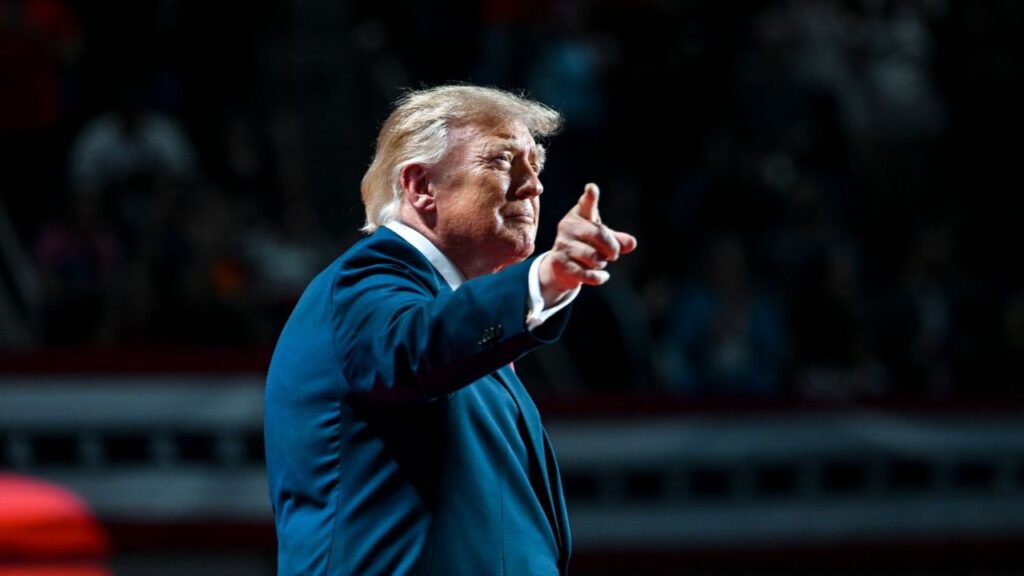
Trump, speaking to reporters in Washington on Thursday evening, dismissed the Iranian attacks as a “trifle” and again warned that Iran “better sign their agreement fast,” an apparent reference to the one-page U.S. proposal. A key hurdle was the U.S. demand for advance commitments on the fate of Iran’s nuclear program and its stockpile of highly enriched uranium, three senior Iranian officials said.
On Friday, the Iranian foreign minister, Abbas Araghchi, questioned in a social media post whether the U.S. strikes were a “crude pressure tactic.” He added: “Every time a diplomatic solution is on the table, the U.S. opts for a reckless military adventure.”
Here’s What Else We’re Covering:
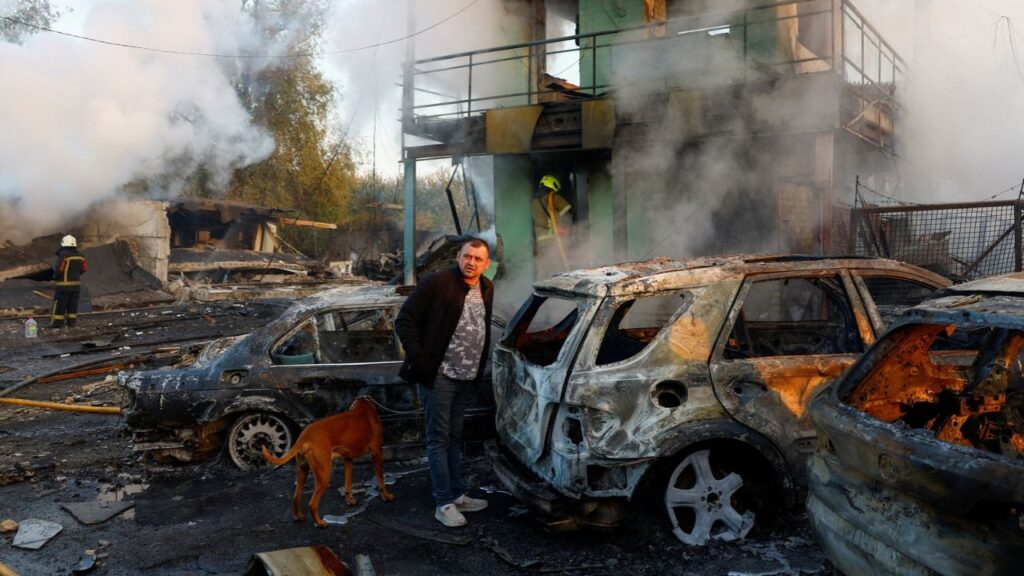
— United Arab Emirates: The UAE’s Defense Ministry said Friday that its air defense systems had intercepted missiles and drones from Iran, a day after Iranian officials blamed the UAE for reported strikes in southern Iran.
— Markets: Oil prices climbed, then slid, and global stocks fell Friday after the U.S. said it had attacked Iranian military sites.
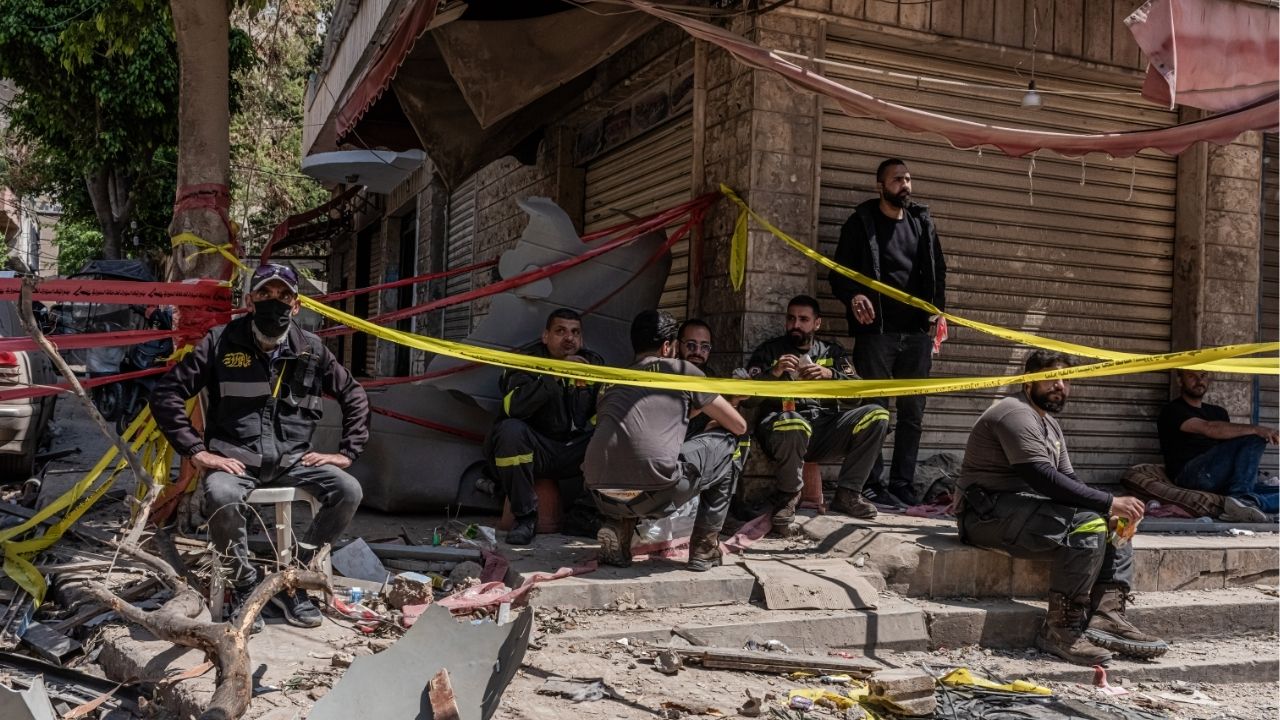
— Lebanon: Fighting intensified Friday between Israel and Hezbollah, the Iran-backed Lebanese militant group, fraying an already fragile ceasefire between them. Israel carried out airstrikes in southern Lebanon, killing at least four people, Lebanon’s Health Ministry said. The Israeli military later said some rockets had been launched into northern Israel but reported no casualties.
—
This article originally appeared in The New York Times.
By Euan Ward, Leily Nikounazar, Farnaz Fassihi, Erica L. Green and Motoko Rich/Daniel Berehulak
c. 2026 The New York Times Company