


|
Getting your Trinity Audio player ready...
|
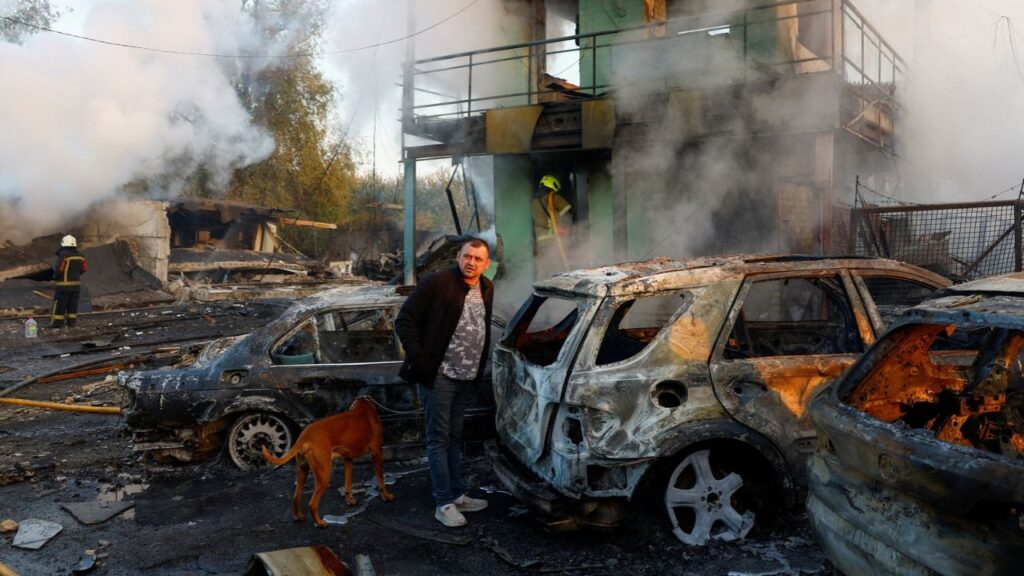
KYIV, Ukraine — With the front lines largely frozen, Russia and Ukraine have turned the war into a contest of economic endurance. Kyiv has gone after Russia’s oil refineries. Moscow has hit Ukraine’s ports and heavy industries.
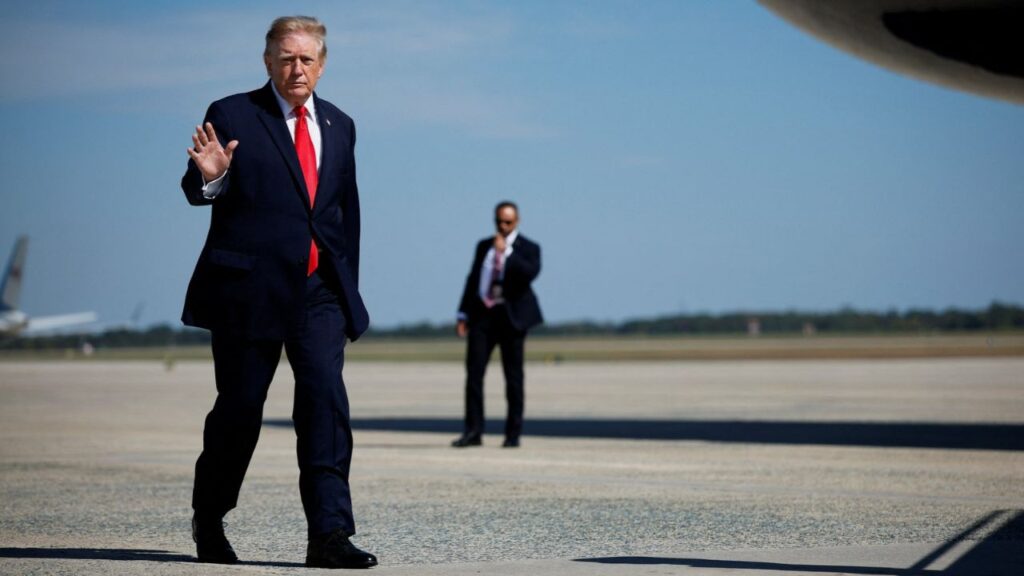
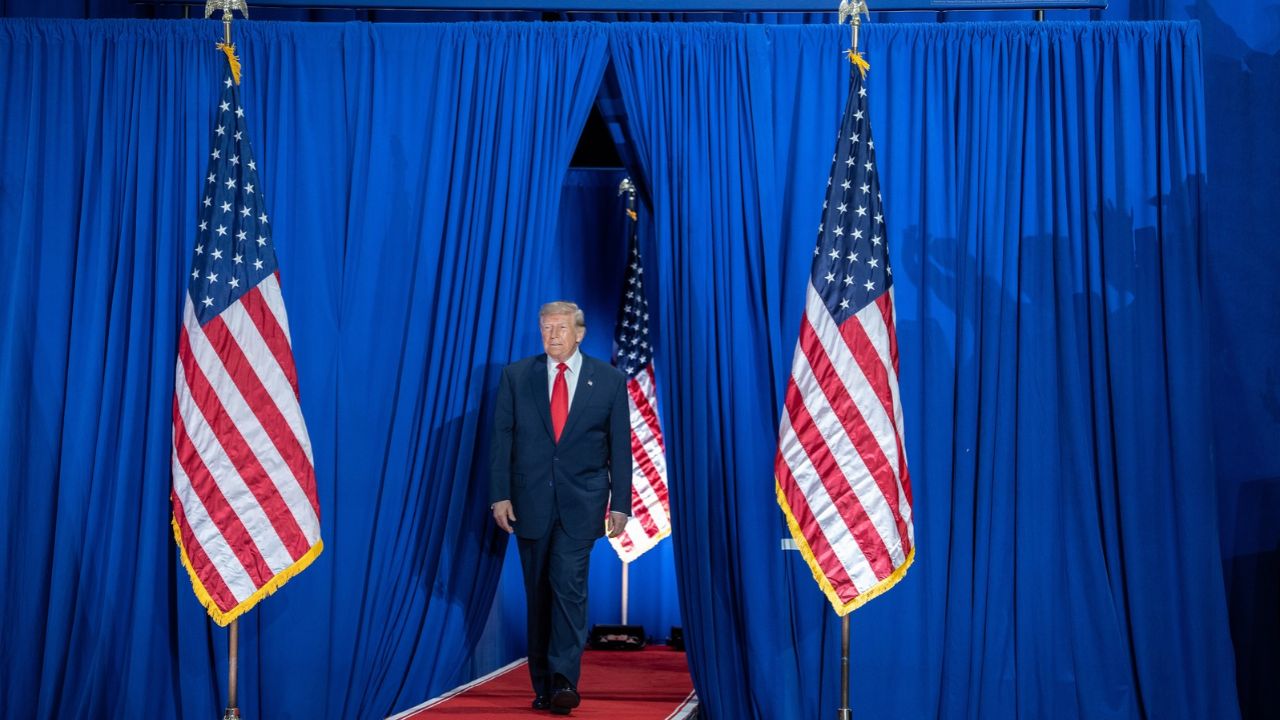
On Friday, President Donald Trump sided with Russia in this all-important battle.
The American leader announced a deal to buy Russian diesel fuel and stepped up pressure on Ukraine to stop striking Russian refineries. The diesel agreement, if it goes ahead, could send some $4 billion of American money into the Russian economy, energy experts said. A halt to refinery strikes, if Ukraine accedes to one, could be much more valuable to the Kremlin.

Trump is enlisting Russian help in his effort to bring down sky-high diesel prices, caused mostly by the U.S.-Israeli war against Iran, before the midterm election early next month. Ukraine is expected to get nothing in exchange, even as the American president demands an end to Kyiv’s refinery attacks, its most potent tool for depriving the Russian war machine of income.
Moscow remains free to continue hitting Ukrainian ports, steel factories, warehouses, power plants and data centers, a campaign that is gradually pushing Ukraine’s economy toward a breaking point. Such attacks destroy nearly $10 billion in business assets each year, Ukraine’s economy minister has said.
Ukrainian President Volodymyr Zelenskyy has condemned Trump’s decision to buy Russian diesel, saying in a social media post Friday that “Russia will ‘repay’ the diesel with further terror and perfidy.”
Trump, who lifted sanctions to allow Russia to sell the fuel to the United States, struck an economic deal with President Vladimir Putin even as Russian attacks have driven civilian casualties in Ukraine to what the United Nations called a “new horrifying level.”
More than 100 Ukrainian civilians were killed in the past week alone. Moscow is striking Ukraine with an ever-growing arsenal of increasingly powerful and precise weapons, taking advantage of gaps in Ukrainian air defenses.
Zelenskyy said Monday that Ukraine had refrained from attacks on Russian oil refineries overnight. But he has said that Ukraine will agree to an extended ceasefire only if Moscow stops attacking Ukrainian energy infrastructure. There are fears of a humanitarian crisis in Ukraine this winter if Russia succeeds in its goal of taking down the Ukrainian power and water systems.
—
This article originally appeared in The New York Times.
By Constant Méheut/Haiyun Jiang
c. 2026 The New York Times Company