



|
Getting your Trinity Audio player ready...
|
Saudi Arabia said it was facing a new barrage of incoming fire on Monday and that Riyadh airport would remain shut for now, days after Saturday’s deadly missile strike on a departure terminal that was claimed by Yemen’s Iran-allied Houthis.
Incoming drones and missiles were reported by the Saudi-led coalition backing government forces in Yemen, though there was no immediate news of whether they were intercepted.
The Houthis have been attacking Saudi airports and oil facilities since last week as part of a rapidly escalating conflict that has spilled over from the wider regional conflagration between the United States and Iran.

Those attacks have shut down parts of Saudi airspace, suspending operations at Riyadh airport, and largely emptying the skies over the capital even as the city hosts a major energy conference.
Saudi Arabia now faces a nightmare predicament, having re-entered Yemen’s civil war to push the Houthis from the vital Bab el-Mandeb Strait oil route and stop the group making further gains after its sudden advances in September.
With the Yemeni forces Riyadh supports having made some gains against the Houthis around Bab el-Mandeb but still on the back foot on other fronts, Yemeni military sources said, any pressure on the Houthis could take time to pay off.
Saudi Arabia’s long-time regional rival Iran offered to mediate between its Houthi allies and the kingdom. “We have repeatedly expressed our readiness to help facilitate dialogue between the parties,” foreign ministry spokesperson Esmaeil Baghaei said on Monday.
Meanwhile, despite intensified Saudi airstrikes against the group, including what Yemeni television said were hits on al-Jawf province on Monday, the Houthis show no sign of letting up their own barrage of attacks on Saudi infrastructure.
The group has repeatedly threatened to target airports and airspace, as well as Saudi oil installations that provide the engine for the kingdom’s economy and its ambitious development plans.
UAE Calls for Joint Gulf Action
Saudi Energy Minister Prince Abdulaziz bin Salman said at Monday’s conference that the kingdom would stay focused on bringing in investment as part of its wider economic development goals.
“The development of our energy system and industrial capability continues,” he said.
Saudi Arabia’s neighbour the United Arab Emirates on Monday called for a revival of joint Gulf action on security and defence in response to the attacks. UAE presidential adviser Anwar Gargash said the targeting of Saudi Arabia undermined the security of all Gulf states and added that the neglect of collective Gulf security had “emboldened others” to overreach against regional states.
Saudi Arabia and the UAE had been partners in the Yemen conflict for years, but they backed different forces within the Yemeni military coalition supporting the government and fell out last winter.
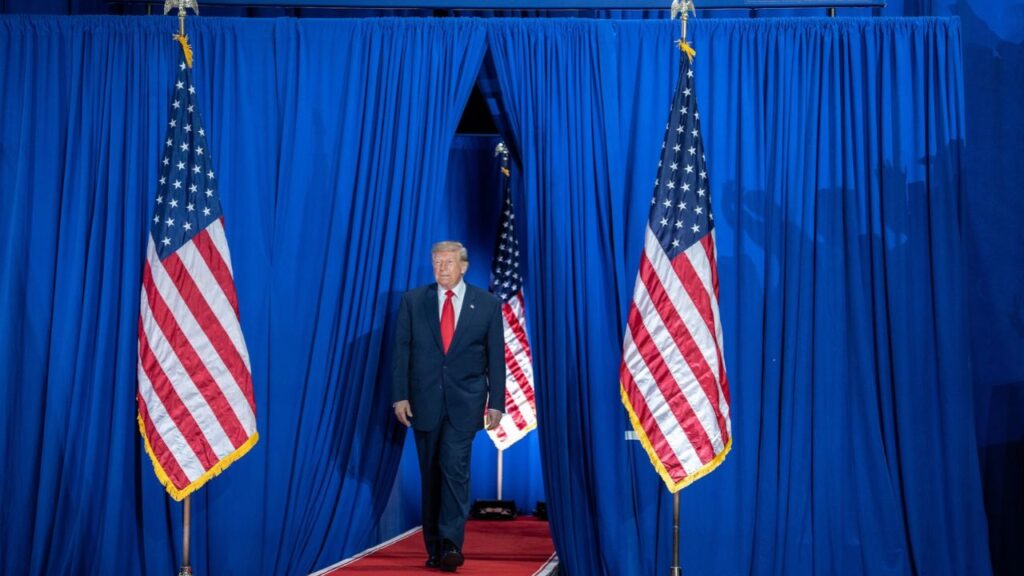
US President Donald Trump said on Saturday that Washington was considering joining Saudi Arabia in strikes on the Houthis, but there has been no sign yet of any US action.
(Reporting by Timour Azhari in Riyadh; additional reporting by Jana Choukeir and Parisa Hafezi in Dubai; Writing by Angus McDowall; Editing by Toby Chopra)