


|
Getting your Trinity Audio player ready...
|
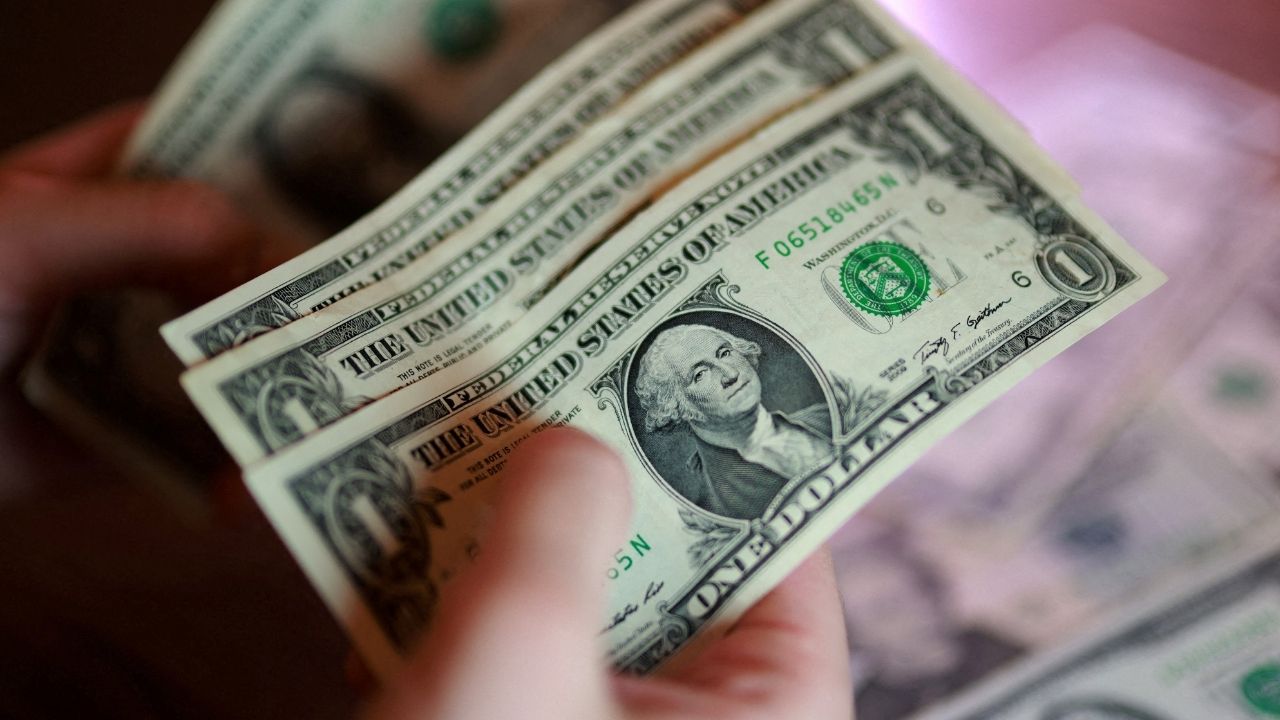
The dollar held at an 18-month high on Monday, supported by safe-haven demand as attacks escalated in the Middle East over the weekend, keeping investors cautious ahead of key US inflation data later this week.
The dollar index, which tracks the US currency against six others, was up 0.37% at 102.58, highest since April 2025.
Oil prices were volatile after Yemen’s Iran-backed Houthis stepped up strikes on Saudi Arabia, and two tankers were attacked over the weekend.

Brent crude futures rose 2.3% to $107.17 a barrel, nearing a two-week high. The attacks overshadowed Sunday’s announcement from US President Donald Trump about an energy ceasefire between Ukraine and Russia that seemed imperiled from the get-go, as Kyiv accused Russia of violating the ceasefire overnight.
Brent crude is still nearly 45% above where it was before the US-Israeli war with Iran started.
Meanwhile, Cleveland Fed President Beth Hammack said on Monday that the Federal Reserve should move “relatively quickly” to a restrictive policy to control inflation she sees as more broad based.
Investors have been increasing bullish positions on the dollar, which as of the week ended October 7 came to about $36 billion, up from $8.4 billion three weeks ago, largely at the expense of the euro.
“We aren’t convinced this latest bout of risk aversion will translate into sustained dollar strength,” said Joel Kruger, market strategist at LMAX Group in London, citing cooling economic data, inflation pressures moderating, and much of the Fed’s expected rate hikes already priced into the market. “We see limited scope for additional dollar upside.”
Spotlight Moves to US Inflation Data
Wednesday’s US consumer inflation report, one of the last major economic releases before the Fed’s policy meeting this month, could be critical in determining the near-term direction of the dollar.
US consumer sentiment deteriorated further in early October, as the rising cost of living because of the Middle East conflict soured households’ views of the economy.
The Fed raised rates last month for the first time since 2023 to rein in inflation. Traders are pricing in a 78% chance of the Fed standing pat this month, up from 51% a month earlier, the CME FedWatch tool showed.
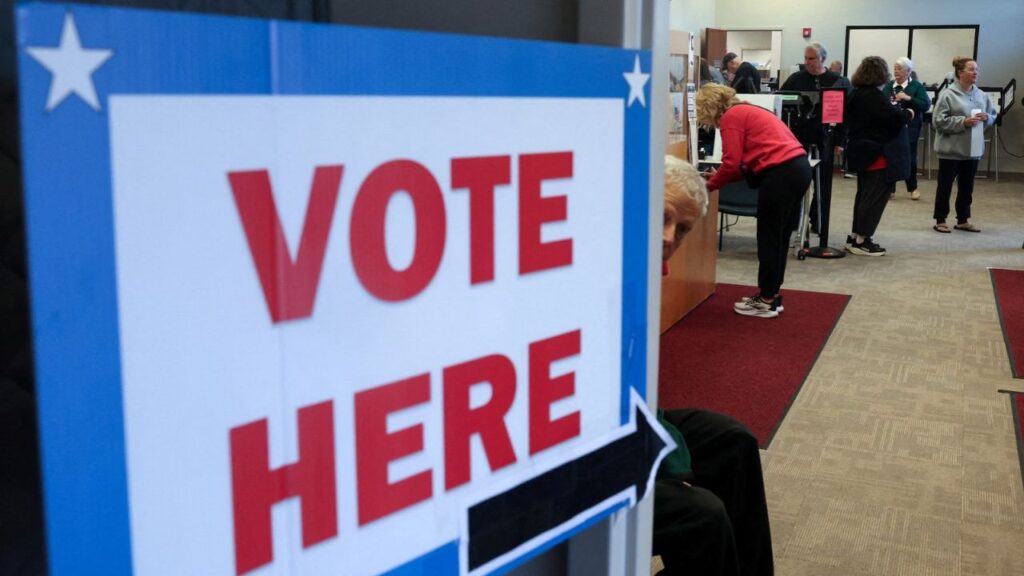
“The real focus is on the CPI number this week — it is likely to be running hot,” said Marc Chandler, chief market strategist at Bannockburn Global Forex in New York. He added that a rate hike before an election is so uncommon that “the bar is kind of high” for the Fed to act.
Investors have grown worried about the sharp selloffs in bond markets that have driven borrowing costs across the globe to multi-decade highs.
The euro fell 0.4% to $1.1156, near a 17-month low, after clocking a fifth straight week of losses last week, driven by investor angst around France’s fiscal health before the 2027 presidential election.
The spread between French 10-year yields and safer German yields traded at 140 basis points. Last week it neared 160 bps, the most since 2012.
“There’s been no improvement and no real clear guidance as to what’s going to make things better in the short term,” said Dan Tobon, head of G10 FX strategy at Citi in New York. “What’s the reason to buy European debt, to buy euro here? It’s hard to find one, and so we just kind of keep drifting off.”
The US dollar rose 0.2% to 158.66 yen, while the pound slipped 0.2% at $1.3203.
(Reporting by Laura Matthews in New York; Additional reporting by Amanda Cooper in London, Li Gu in Shanghai and Ankur Banerjee in SingaporeEditing by Peter Graff, Colin Barr, Emelia Sithole-Matarise and David Gaffen)