

|
Getting your Trinity Audio player ready...
|
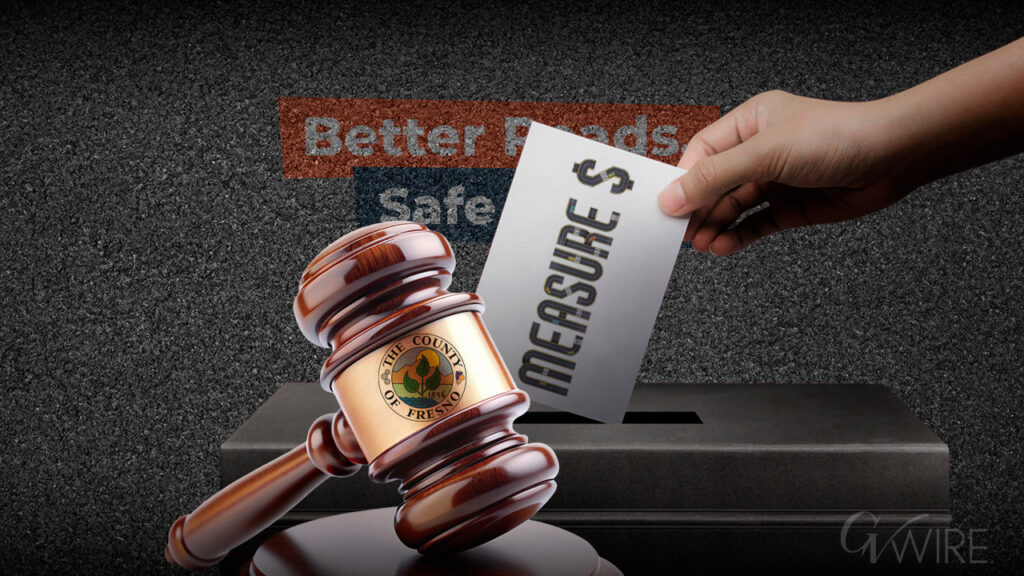
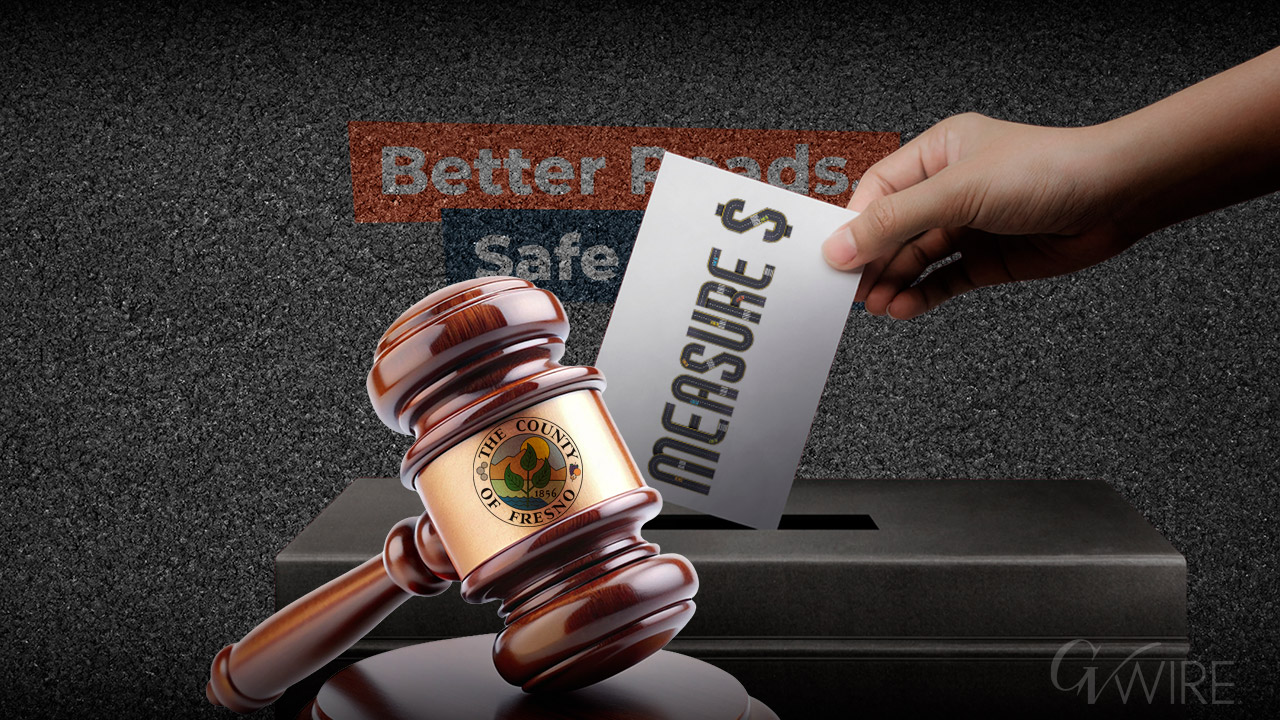
A judge’s order Monday means voters will see the transportation tax Measure S on the November ballot.
Judge Jonathan Skiles said in his order that the state law requiring the half-cent sales tax measure to appear on the ballot is “valid and enforceable.”
Saying “there is little dispute regarding the facts before the court,” Skiles said the Legislature was within its power when it passed AB 1923.

“The legislature was confronted with a unique situation that had potentially significant financial consequences for the county and the state,” Skiles wrote in his order. “The legislature determined a general law was not applicable and enacted AB 1923 to address the issue. There is a rational relationship between the purpose of AB 1923 and the fact it singles out the County of Fresno.”
30-Day Study Not Meant to Be a Delay
At Friday’s hearing, Skiles repeatedly asked Brian Hildreth, who represented the county in its case against California and Measure S proponents, whether state lawmakers have the authority to clarify their own laws.
In his order, Skiles reaffirmed that line of thinking.
He said the intent of a 30-day study is to inform voters about a tax measure, not to be used as a tool to delay an initiative.
“The board could have reached the same result mandated by the special law if they simply refrained from misusing the general law.”
— Judge Jonathan Skiles
He said the county did not need to use all 30 days and that, in this case, earlier approval of the study would have avoided the legal fight.
Skiles said the county’s argument that the legislature should have changed the law allowing the study rather than passing AB 1923 doesn’t hold water.
“The board could have reached the same result mandated by the special law (AB 1923) if they simply refrained from misusing the general law,” Skiles wrote in his order.
County Will Not Seek Appeal
The ruling brings an end to the fight to get a transportation tax onto the November ballot, a dispute that began in 2025 before the parties landed in court.
In a news release shortly after the order became public, Fresno County Board Chair Garry Bredefeld said the county would not seek further legal action and that he would combat Measure S at the ballot box.
Skiles on Friday had promised an early morning ruling to give the parties time to review the order and decide whether to appeal.
Bredefeld defended the board’s decision to call for a 30-day study that caused the delay and, by extension, the passage of AB 1923.
“We believed the Legislature’s last-minute attempt to change the rules and create a brand new law targeting Fresno County raised serious constitutional questions,” Bredefeld said. “We made our case.”
A Measure S representative called the decision a victory in a news release.
“This is a victory for the tens of thousands of Fresno County voters who signed the petition to put this measure on the ballot, and for every voter who deserves the chance to decide whether they want to continue to fund critical investments in public safety by repairing badly damaged roads, fixing dangerous intersections, and upgrading traffic signals,” a representative said.
Guardrails Versus Restrictions on Road Repair
Bredefeld said the county would focus on defeating Measure S at the ballot box using the study published by the county.
He described the measure as one aimed at “getting people out of their cars and riding buses, bicycles and scooters to work.”
Measure S dedicates 65% of funds to road repair, 25% to public transit, 4% to public transit innovation — largely bus tickets — and 4% to regional projects.
Bredefeld and county planning experts have long said the restrictions in Measure S limit how governments can spend the money.
“Measure S will eliminate driving lanes and increase traffic congestion,” Bredefeld said in his statement. “It prohibits cities and the county from spending a single dollar to widen roads until achieving a pavement quality standard that has never been met in Fresno County’s history.”
“It locks 25% of all revenue into public transit — guaranteed regardless of ridership — for the next 30 years,” Bredefeld stated.
Sandra Celedon, executive director of Building Healthy Communities, said Friday before the ruling that the measure is about ensuring the money gets spent how voters want it spent.
“Measure S is about making sure that folks in our community, taxpayers and voters decide how our money gets spent and to make sure that there’s guardrails so politicians can’t use our money at their disposal and at their will,” Celedon said.