
|
Getting your Trinity Audio player ready...
|
A federal judge in California ruled that the Trump administration violated the constitutional rights of international students when it sought to deport them for criticizing Israel’s war in the Gaza Strip.
In a 90-page ruling, Judge Noël Wise found that the key legal foundations that the Trump administration had relied on to arrest and deport foreign students were unconstitutional, because Trump officials had wielded them to target students who used their freedom of speech to express opinions that the government did not like.
“In the United States,” Wise wrote, “free speech, including the freedom to criticize the government and its leaders, is not a sign of our democracy’s fragility. It is evidence of its strength.

“That strength is diminished when members of our society — citizens and noncitizens alike — must self-censor and ‘behave’ or suffer the government’s retaliation,” she wrote. “This downward spiral is antithetical to our Constitution that recognizes our right to speak freely. Here you can simultaneously hate the content of a person’s speech and love the country that cherishes the freedom to allow it.”
Wise, who was appointed to the Northern District of California by President Joe Biden, effectively declared that a section of immigration law frequently invoked by the Trump administration violated the First and Fifth Amendments, reasoning that the provision was vague and allowed the secretary of state to remove noncitizens for speech and other activities protected by the First Amendment.
Conor Fitzpatrick, the chief supervising attorney at the Foundation for Individual Rights and Expression, which brought the lawsuit, celebrated the ruling.
“Today’s ruling proves that free speech isn’t a privilege, but the inalienable right of every man, woman, and child,” he said in a statement.
The ruling follows another court victory for students targeted by the Trump administration last year. A federal judge in Massachusetts appointed by President Ronald Reagan ruled in September that Trump officials had violated the First Amendment as part of a broader strategy to stamp out campus activism. Wise relied heavily on the reasoning of that court, which found that the Trump administration singled out “pro-Palestine and anti-Israel speech for a campaign of speech-chilling retribution.”
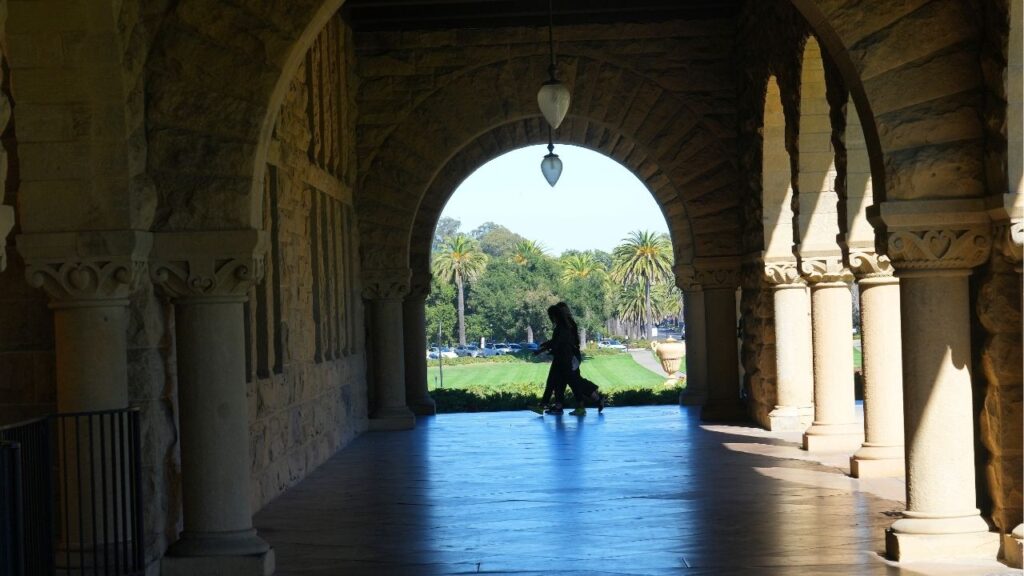
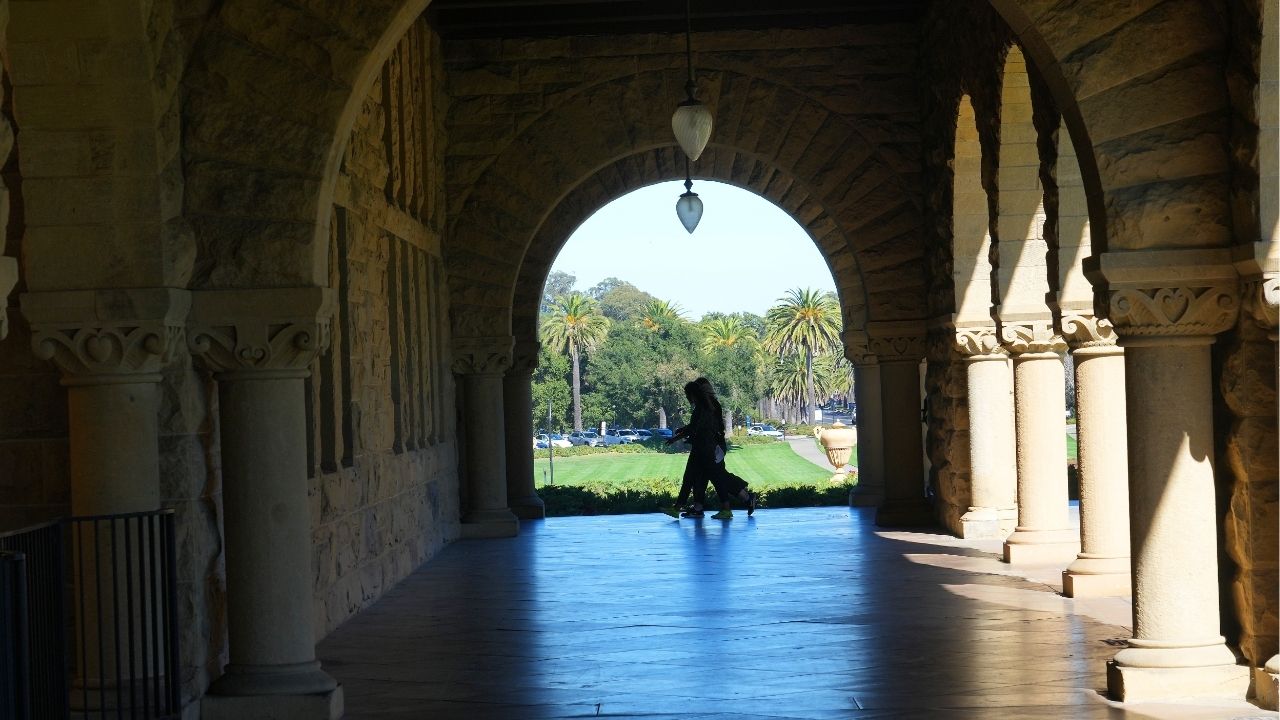
In California, lawyers from the free speech group brought their lawsuit on behalf of The Stanford Daily, a student newspaper at Stanford University. They argued that several of its staff members had been forced to self-censor or quit the paper out of fear that the government could retaliate for what it published.
In court filings, the newspaper, which is open to all students and has more than 150 members, said it had weathered resignations and withdrawn stories by noncitizens who were concerned that publishing content about Israel or the conditions in Gaza could leave them vulnerable to deportation.
The climate of fear at Stanford that the lawsuit described followed a series of arrests last year, when the Trump administration began targeting prominent student activists, including Mahmoud Khalil and Rumeysa Ozturk, over their speaking out against the Israeli government and the mounting death toll in Gaza.
In those and other cases, immigration agents arrested the students after Secretary of State Marco Rubio invoked the challenged provision, deeming the students a threat to U.S. foreign policy interests. In each case, Rubio personally signed off on the decision to revoke a student visa or render a lawful permanent resident deportable after determining that those interests were at stake.
–
This article originally appeared in The New York Times.
By Chris Cameron/Jim Wilson
c.2026 The New York Times Company