
|
Getting your Trinity Audio player ready...
|
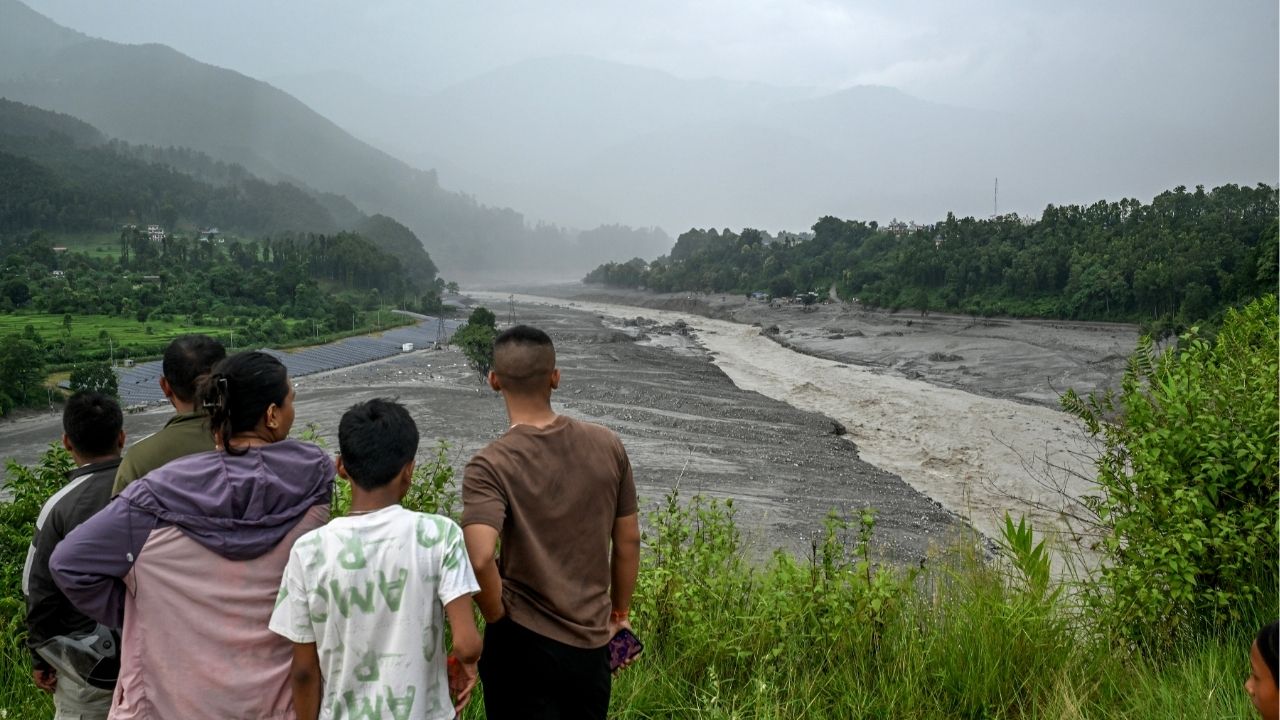
After three days of searching for survivors of a massive flash flood that swept through Nepal and Tibet on Wednesday, killing more than 600 people, the disaster’s full extent and human toll were still being revealed in recovered bodies, battered survivors and growing lists of the missing.
The tally of missing people in Nepal rose above 2,400 on Saturday. The number has climbed dramatically since Friday, with Nepali officials saying hydropower producers had only recently shared a count of unaccounted-for workers at projects in the devastated river valleys. China said more than 500 people were missing in Tibet on its side of the border and at least five had died.
The first 48 to 72 hours after natural disasters are typically a critical window for finding survivors. But the devastation left many miles of roads unusable and damaged communications, making it harder for rescuers and aid organizations to locate people and deliver food, medicine and temporary shelters.

Search efforts along the 50-mile stretch of destruction were also complicated Friday by fears of more flooding, as authorities in Nepal warned that new lakes created by the landslide that set off Wednesday’s flood could overflow and send more water rushing into the valleys.
About 30,000 Nepali security forces have been deployed for the relief mission, according to the United Nations. On Friday, Nepal army personnel took many rescued people to a barracks on the banks of the Trishuli River, where many could be seen jostling to see if they recognized names on printed lists of survivors.
Nepali authorities said more than 3,700 people had been rescued so far, and released footage showing uniformed personnel pulling people by hand through a river of mud. Officials said they had been trapped in a tunnel that is part of a hydroelectric project that had been under construction.
Some 93,000 people in Nepal are in need of support, the International Federation of the Red Cross said in a preliminary assessment.
Here’s what else we are covering:
— Death toll: Chinese authorities on Saturday said that seven people had died in Tibet and that more than 550 remained missing. More than 620 people were killed in Nepal, where one city received more bodies than its morgues can accommodate.
— Pilgrimage site: Many of the missing were pilgrims heading to or from Mount Kailash, a Himalayan peak of snow and granite, and a spiritual site revered by followers of four religions.
— Fast waters: Survivors in Nepal described high floodwaters laden with debris that shattered houses and swallowed people as they fled. Nepal’s flood warning system was ill-equipped to sufficiently alert people.
— Global warming: Climate change is heating up the Himalayas and supercharging the risk of disasters like the flash flooding in Nepal and Tibet. Scientists are still determining the exact cause of the catastrophe, which was difficult to predict, experts say.
–
This article originally appeared in The New York Times.
By Anupreeta Das/Binod Ghimire/Mujib Mashal/Lily Kuo/Qasim Nauman/Atul Loke
c.2026 The New York Times Company