


|
Getting your Trinity Audio player ready...
|
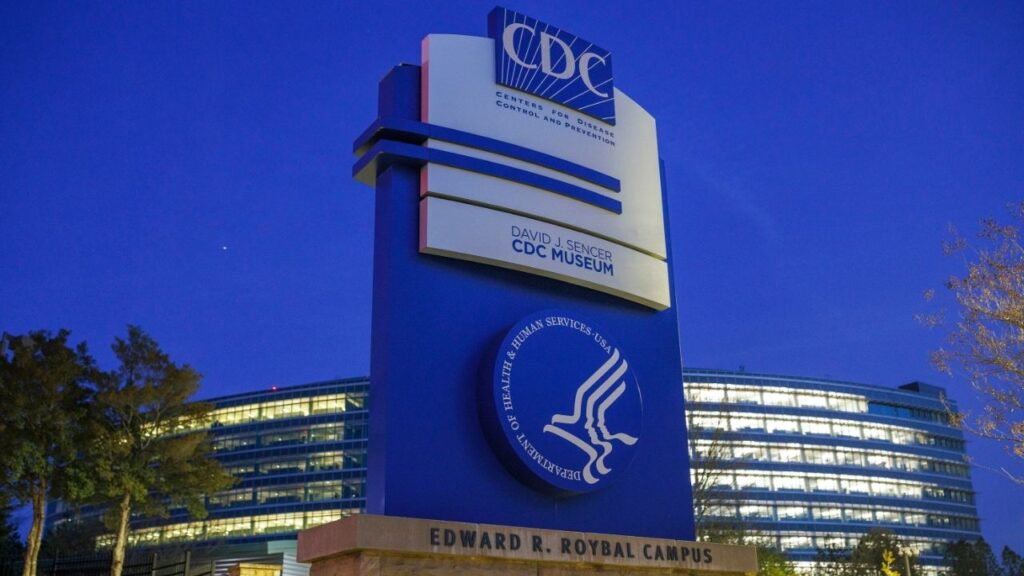
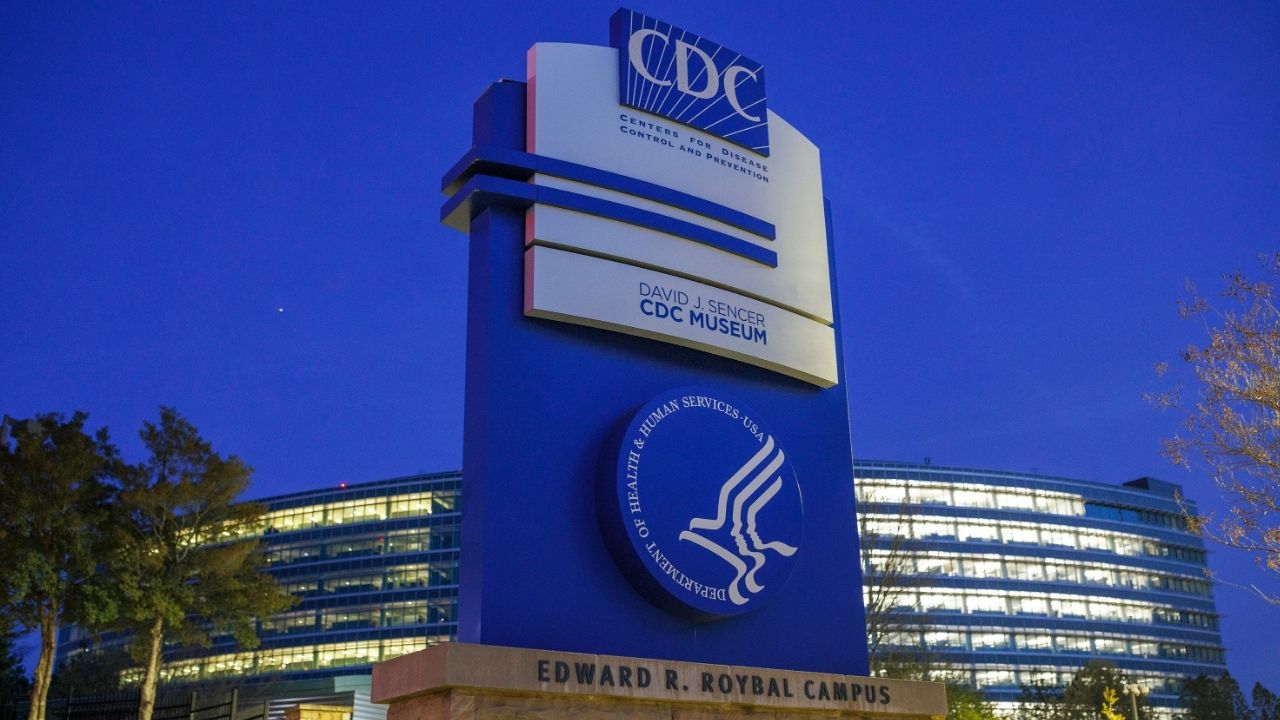
The U.S. Centers for Disease Control and Prevention said on Tuesday it had confirmed 1,645 cases of an intestinal infection from the cyclospora parasite that causes diarrhea, nausea and other gastrointestinal symptoms and it was investigating 5,100 possible cases in 34 states.
Michigan, the hardest-hit state, reported 3,309 cases.
What Is It?
Cyclosporiasis is an intestinal infection that can be contracted by consuming food — typically raw fruits and vegetables — or water contaminated with feces that transmit the cyclospora parasite, according to the CDC.

Symptoms can range from mild to severe, with children, older adults and people with weakened immune systems facing a higher risk of serious illness.
While cyclosporiasis is rarely life-threatening, untreated infections can persist for weeks and may lead to hospitalization, particularly because of dehydration.
The U.S. has had previous outbreaks of the disease. Michigan, for instance, said it typically records 40 to 50 cases annually.
What Is the Source?
The Food and Drug Administration is conducting traceback investigations on multiple produce items to try to determine the source of the outbreak.
That includes the lettuce that Michigan health officials identified as a potential source of the outbreak. Michigan said no specific type of produce, grower or supplier has been linked to the outbreak.
In traceback investigations, the agency collects information from sick people on the foods they ate in the weeks before they became ill and works back along the supply chain, potentially going back to the farm where an ingredient was grown.
What Can People Do to Protect Themselves?
The parasite lives in contaminated food or water and is not commonly transmitted directly from person to person.
The CDC advised people to wash their hands with soap and water before and after preparing raw fruit and vegetables, to wash the produce thoroughly and to scrub firm fruits and vegetables with a clean brush.
Past outbreaks were linked to bagged salad mixes and kits, fresh cilantro and basil, raspberries, snow peas and green onions, Michigan has said.
For people who have cyclosporiasis, the CDC recommends treatment with trimethoprim-sulfamethoxazole, an antibiotic commonly sold as Bactrim, taken twice daily for seven to 10 days. People living with HIV may require longer treatment, according to the agency.
Where Is the Outbreak?
The CDC said that sick people began reporting symptoms in four main states on or after June 22: Michigan, Ohio, West Virginia and Kentucky. It also said there were numerous other single-state investigations underway.
New York, Illinois, Kentucky, New Jersey, North Carolina and Texas have all reported 31 cases or more as of July 13, according to the CDC.
Case counts lag in part because of reporting delays and are expected to rise as the CDC receives more data. Delays between exposure and case confirmation potentially take up to six weeks, with illness onset anywhere from two days to two weeks or more after infection.
Cases typically rise from May 1 through August 31, the CDC said.
What Surveillance Is Being Done?
Cyclospora is a nationally notifiable pathogen and most states collect robust data and share that routinely with the CDC in its disease surveillance system, said Gwen Biggerstaff, deputy director of the CDC’s Division of Foodborne, Waterborne and Environmental Diseases.
Healthcare providers are legally required to report cases of cyclosporiasis to public health departments in 47 states.
The Foodborne Diseases Active Surveillance Network, or FoodNet, is a collaboration among the CDC, the U.S. Department of Agriculture, the FDA and 10 state health departments. Last July, it stopped tracking six of eight pathogens, including cyclospora, due to funding cuts.
The goal of FoodNet is to look at trends over time and the network does not replace national surveillance, Biggerstaff said. Participating states continue to report cyclospora on a national basis and the data is the same for this outbreak as with previous ones, she said.
(Reporting by Siddhi Mahatole, Padmanabhan Ananthan and Mariam Sunny in Bengaluru and Tom Polansek in Chicago; Editing by Caroline Humer, Matthew Lewis and Jamie Freed)