


|
Getting your Trinity Audio player ready...
|
Country by country, the Trump administration has been negotiating secretive agreements with nations across Africa to provide health aid under strict conditions. The agreements, structured to benefit the United States, are undermining efforts to prepare the world for the next pandemic, putting even Americans at risk, public health experts warn.
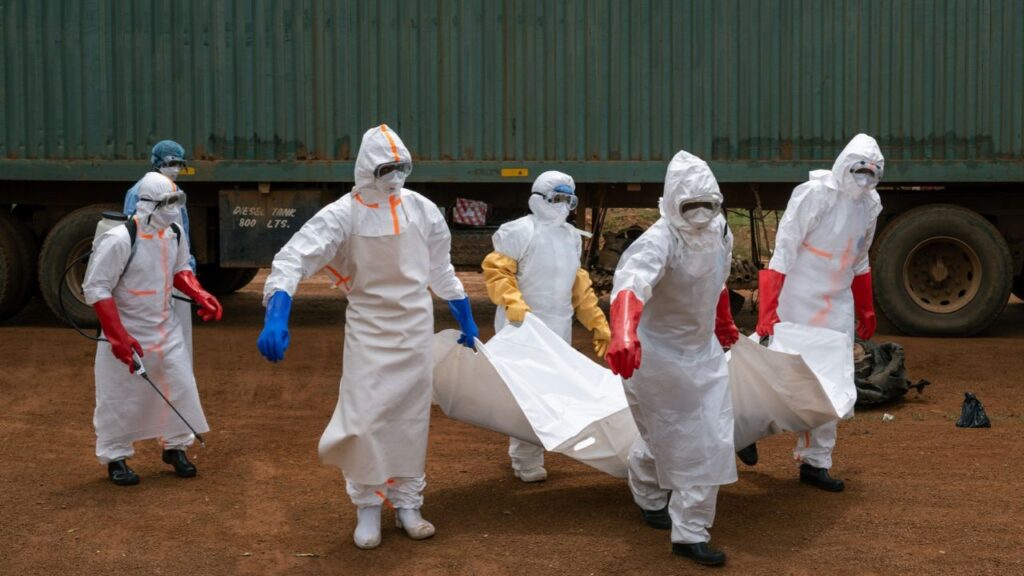
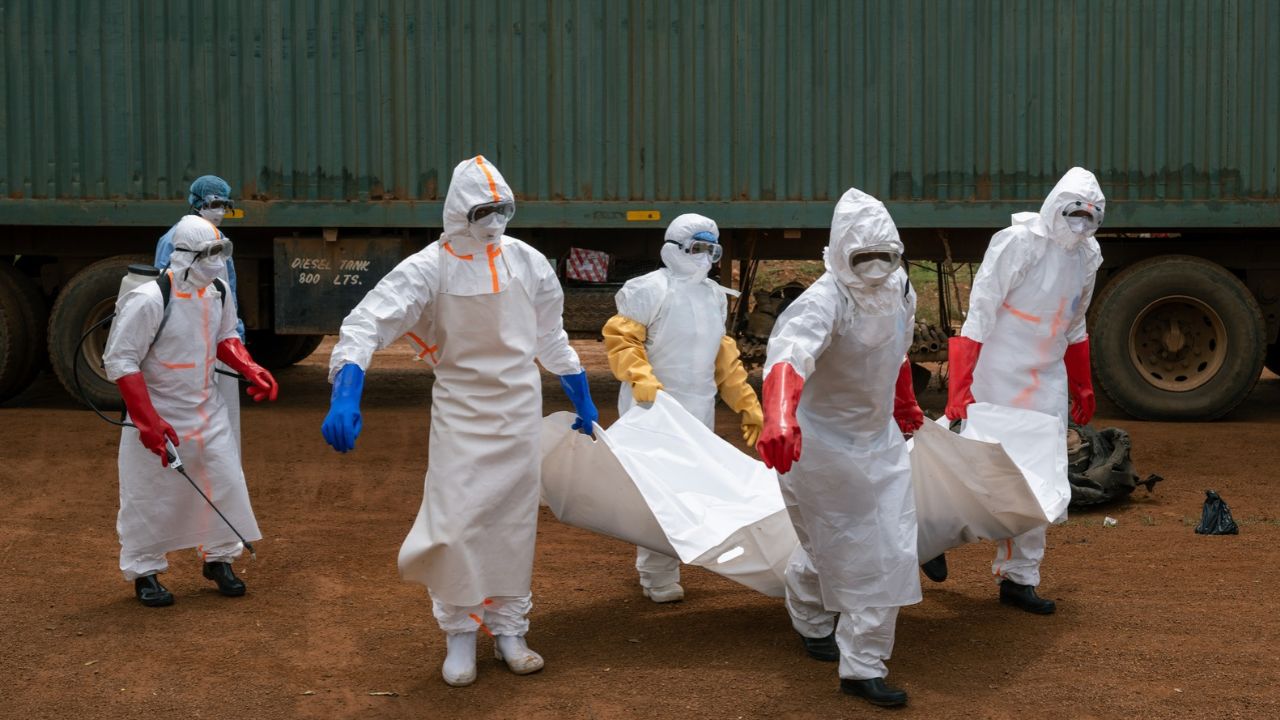
In one striking example, under an agreement signed in February that was never made public, the United States is set to stop funding healthcare workers in Congo by the end of the year. Congo has been struggling to contain an Ebola outbreak that has topped 10,000 cases and has spread to two other regions of Africa.
The plan, a copy of which was obtained by The New York Times, provides Congo with $900 million over the next five years and was signed before the Ebola outbreak was detected.

Still, several public health experts said it was an example of the Trump administration’s focus on near-term benefits for the United States over the long-term partnerships needed to weather international crises.
“They have shown incredibly poor foresight proposing further cuts right where workers are needed to fight infectious threats that we all know are coming,” said Peter Maybarduk, director of access to medicines for the advocacy group Public Citizen.
In response to questions from The New York Times, the U.S. State Department said it would work with Congolese officials to ensure they can pay government health workers but did not say whether it would grant an extension on the Dec. 31 deadline.
The administration has signed 36 such agreements so far but has not released them publicly. Some agreements, including most recently for Botswana, Cameroon, Eswatini, Ethiopia, Congo and Lesotho, were obtained by Public Citizen through a freedom of information request and made available to the Times.
The State Department has said it intends to eventually sign agreements with about 70 countries across the developing world.
“One deal at a time risks building 50 slow systems instead of one fast one,” said Dr. Raj Panjabi, who served as the White House’s senior director for global health security and biodefense during the Biden administration. “The only way to see that new biological threat fast is a global system where every country is expected to share and where the U.S. is at the table helping write those rules.”
The next grave health threat could come from a country that has not signed a deal with the United States, he said, or it could be an accidental or deliberate release, perhaps of a pathogen engineered to be deadlier.
The State Department said partnerships with individual countries and regions deliver faster results and are more accountable than multilateral agreements.
Panjabi helped write the newest version of the International Health Regulations, a legally binding set of rules for countries to detect and disclose outbreaks that could breach borders. Member nations of the World Health Organization began following those rules last year. (The rules have since prompted disclosure of the hantavirus outbreak in May and the accidental death of a lab worker in Serbia last month.)
But the Trump administration, which withdrew the United States from the WHO in January 2025, rejected the regulations, inaccurately saying they “would give the WHO the ability to order global lockdowns, travel restrictions, or any other measures it sees fit” during a public health emergency.
The United States, along with Israel and Argentina, also rejected an agreement last month by member countries of the United Nations that pledged collaboration and solidarity in responding to pandemics.
“The United States just seems really determined to increase our vulnerabilities by sitting out of the most important conversations,” said Jennifer Nuzzo, a co-developer of the Global Health Security Index, which assesses pandemic preparedness in countries.
Since the COVID-19 pandemic, during which low-income nations lagged behind richer ones by more than a year in gaining access to vaccines, members of the WHO have been trying to hammer out a global treaty that would allow for faster, more equitable access to diagnostic tests, vaccines and treatments the next time. They have until May to finalize the terms.
But the path to consensus has been rocky.
The United States was involved in the global discussions until President Donald Trump withdrew the nation from the WHO on his first day back in the White House. The administration also cut much of the foreign aid the country disbursed to low-income nations, instead pursuing bilateral deals with countries as part of its “America First Global Health Strategy.”
At least 11 of the new agreements, including the one with Congo, include requirements to share information from outbreaks in exchange for foreign aid.
They require countries to share specimens and related data from an outbreak within five days of receiving a request from the United States. Under the terms, the United States then can share that information with other entities — pharmaceutical companies, for example — that can develop tests and medical countermeasures.
But the agreements do not guarantee early or equitable access to the new tests, treatments or other tools that might result. Many give the United States direct access to national health databases, but without privacy protections or oversight from civil society organizations.
The agreements instead say the United States would “prioritize” providing the country with medical tools “behind the U.S. government’s domestic need” and at costs “equal to or below those paid by” the United States.
By contrast, the global agreement, once finalized, would provide affordable medical tools to all low-income nations, not just the one that provides information.
Some experts worried that by setting up a parallel process, the U.S. agreements would undermine the already contentious global negotiations.
“The bilateral approach will weaken the effort we are doing to bring the continent together,” said Dr. Jean Kaseya, director-general of the Africa Centers for Disease Control and Prevention.
Kaseya said he advised African ministers to agree to the bilateral deals only if they were satisfied with the terms, and helped some countries like South Sudan negotiate more “respectful” language. But ultimately, he said, “we need to respect sovereignty of our countries.”
A few countries, including Zimbabwe and Namibia, rejected the Trump administration’s demands, saying the terms violated their sovereignty or their laws. The United States withdrew all health aid from Zimbabwe as of Sept. 30 and announced that it would stop funding HIV programs in Namibia after 2027.
Other countries successfully pushed for more favorable terms than their contracts initially proposed. Zambia’s agreement, signed after 10 months of negotiation, is no longer contingent on the Trump administration’s access to Zambia’s minerals and does not require the country to share information on pathogens for 25 years.
But many countries that rely on aid from the United States are not in a position to fight back and forgo aid, Maybarduk noted.
“This is the take-it-or-leave-it deal that the United States has put in front of them in order to restart some of the health funding that was taken away,” he said. “These are the offers you can’t refuse.”
—
This article originally appeared in The New York Times.
By Apoorva Mandavilli/Aritette Bashizi
c. 2026 The New York Times Comapny