

|
Getting your Trinity Audio player ready...
|
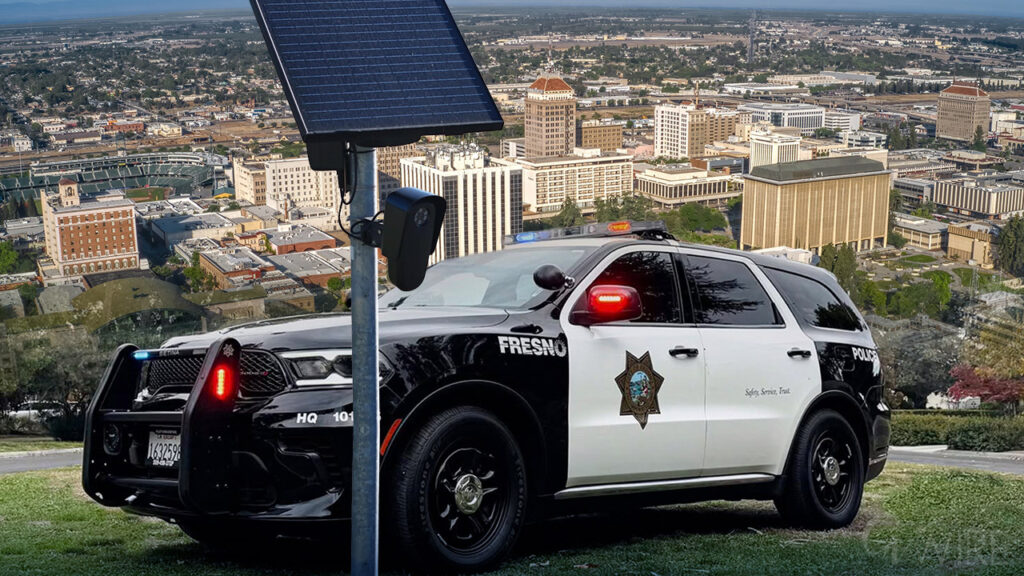
Fresno will not renew its contract with Flock in February 2027, Mayor Jerry Dyer announced, citing concerns about the company’s data-sharing practices and safeguards despite the city’s continued support for automated license plate readers.
Dyer made the announcement during a news conference alongside Fresno Police Chief Mindy Casto and Councilmember Nick Richardson, saying the city intends to pursue another provider while developing a citywide policy governing how license plate data is accessed, stored, and shared.
“I strongly support license plate readers in law enforcement,” Dyer said, emphasizing that the technology has helped officers recover stolen property, solve crimes, and save lives.

Flock Safeguards Aren’t Reliable: Mayor
However, the mayor said Flock’s safeguards have not proven reliable enough to meet the city’s expectations, particularly when it comes to preventing unauthorized access to information collected by Fresno cameras.
The decision follows revelations that Fresno’s license plate data had been accessible to out-of-state law enforcement agencies, despite the Police Department not authorizing that sharing.
Casto said an audit also identified searches related to immigration conducted by local agencies, although none originated from federal agencies or U.S. Immigration and Customs Enforcement.
According to Casto, Flock acknowledged in an email that a system update had resulted in the unintended sharing of data. The company said it corrected the issue.
Dyer said he does not want outside agencies, particularly those beyond California, accessing information collected by Fresno’s cameras.
The city plans to bring a proposal for a new license plate reader contract before the City Council as early as December.
Police Defend Technology Despite Privacy Concerns
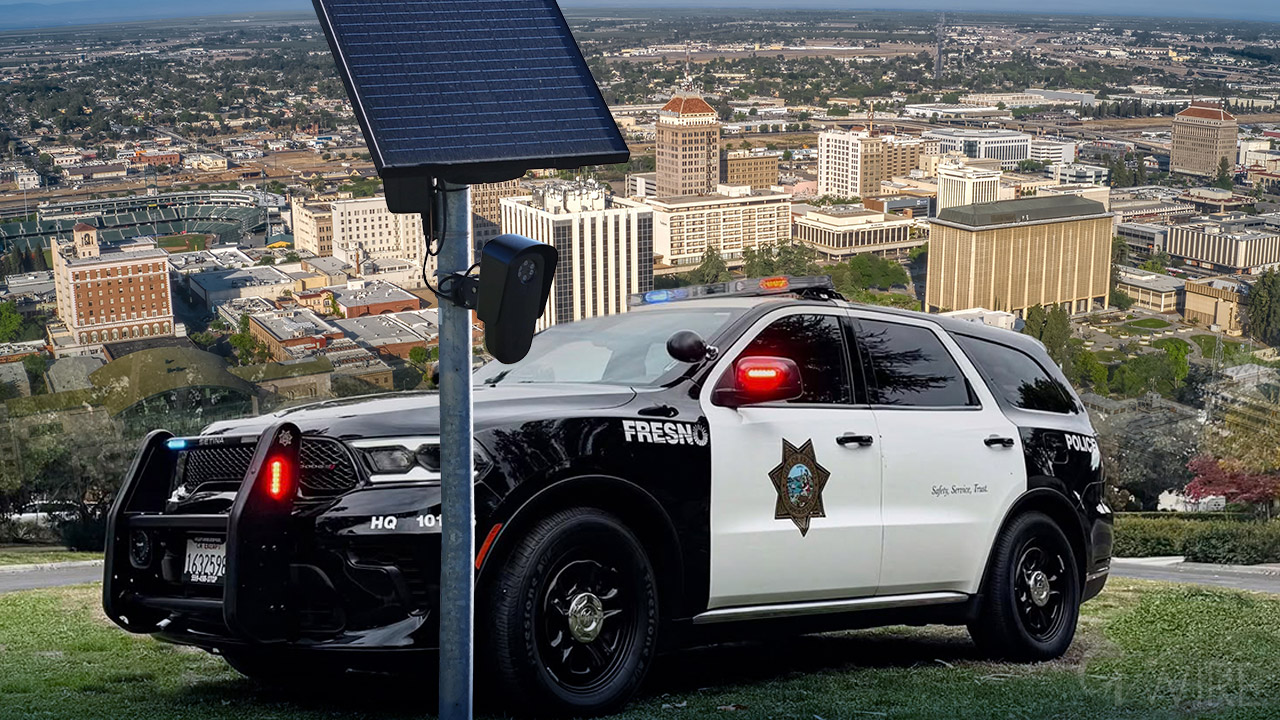
Casto said Fresno operates 70 fixed Flock cameras, many positioned in areas with high rates of robberies and violent crime.
Although the Flock cameras were installed in 2023, Dyer said Fresno has used automated license plate reader technology for more than 15 years.
The police chief credited the cameras with helping reduce property and violent crime, noting that violent crime has declined 10%.
However, the department did not establish how much of that decrease could be attributed directly to the cameras.
Dyer pointed to a case involving a child abducted during an auto theft in which license plate readers helped law enforcement respond.
City officials stressed that their concerns center on Flock’s data protections rather than the underlying technology.
The mayor said other law enforcement agencies, including the Los Angeles Police Department, have also raised concerns about Flock.
PD Strengthens Internal Oversight: Casto
Meanwhile, Casto said the department has strengthened its internal oversight procedures.
The Police Department now audits 5% of system users every 28 days, conducts daily checks and uses automated features intended to identify potential misuse.
Officers conducting searches must provide a case number, allowing the department to review why information was accessed.
Casto also addressed questions about an officer under investigation for allegedly abusing access to law enforcement information.
The chief said the department remains committed to investigating the allegations. Dyer emphasized the presumption of innocence while expressing confidence in the department’s preliminary review.
Fresno Developing Citywide Privacy Rules
Richardson said the city has spent approximately four months developing a broader policy governing automated license plate readers.
While the Fresno Police Department already has an internal policy, the city does not have a comprehensive citywide framework regulating the technology.
The proposed rules would establish requirements for documenting who accesses license plate information and why, creating an audit trail to identify unauthorized searches.
They would also establish a 30-day data retention limit and restrictions on how information can be used.
Richardson said the policy would explicitly address immigration enforcement, noting that California law and existing Fresno police policy prohibit using license plate reader information for immigration investigations.
He said officials reviewed proposed state legislation while developing Fresno’s approach, including a Senate bill that failed to pass.
“We will do here in Fresno what Newsom won’t,” Richardson said.
The councilmember described the policy as an effort to balance public safety needs with residents’ privacy rights.
The proposed framework would apply to automated license plate readers regardless of whether Fresno contracts with another company or returns to an older system.
Dyer said the issue extends far beyond Fresno, describing the debate over license plate reader technology and data privacy as a nationwide concern.
No Warrant Requirement Planned
During questions following the announcement, officials confirmed that police do not currently need a warrant to search license plate reader data and that the proposed city policy would not establish such a requirement.
Casto said department searches are primarily associated with violent crime investigations and that detectives must provide case numbers when accessing the system.
Police officials also said Fresno does not use Palantir or systems designed to continuously track individual residents.
Dyer said law enforcement should not use the technology to track people routinely.
Officials rejected suggestions that the timing of the announcement was related to potential changes in the City Council, saying work on the proposed policy began approximately four months earlier.
Dyer also said the license plate reader system would not be used for speed enforcement.
The mayor said the city intends to maintain access to technology that helps officers investigate crimes while ensuring that any future provider meets Fresno’s privacy and security expectations.
Richardson offered a more pointed message about the city’s approach to protecting residents’ information.
“Don’t Flock with Fresno,” he said.