
|
Getting your Trinity Audio player ready...
|
The Federal Reserve has settled on raising interest rates gradually as it seeks to tame inflation. That suggests the central bank will lift borrowing costs again in December, and at least one more time in 2027.
An accelerating labor market, or one that falters, could alter that approach.
The labor market has not contributed to the inflation problem confronting the Fed, a dynamic that was affirmed when data for October was released Friday. Monthly jobs growth was strong and the unemployment rate fell to 4.1%, but wage growth remains relatively muted. Average hourly earnings picked up a bit in October, rising 0.4% for the month. Compared with the same time last year, it is up 3.1%.

This backdrop is a welcome one for policymakers at the Fed. It suggests they can afford to focus primarily on curbing inflation, which has overshot the central bank’s 2% target for nearly six years.
The primary drivers of inflation include the war with Iran, which has unleashed an energy shock that has sharply increased oil prices, as well as a spending boom by technology companies building out their artificial intelligence abilities.
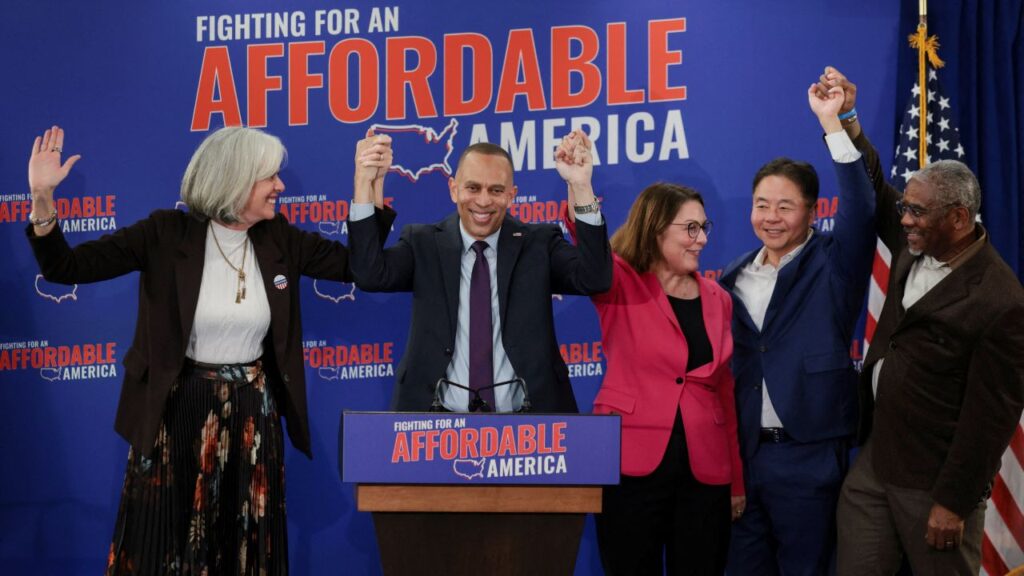
Shares in those companies have come under pressure after Democrats’ sweeping victory in this week’s midterm elections that gave them firm control of both chambers of Congress. The prospects of heightened AI scrutiny and a regulatory crackdown prompted a steep slide in U.S. stocks, with the S&P 500 notching its worst daily decline on Thursday in more than a year.
Fed officials are tracking gyrations in the stock market and the trajectory of U.S. government bond yields, which together influence the availability of credit in the economy.
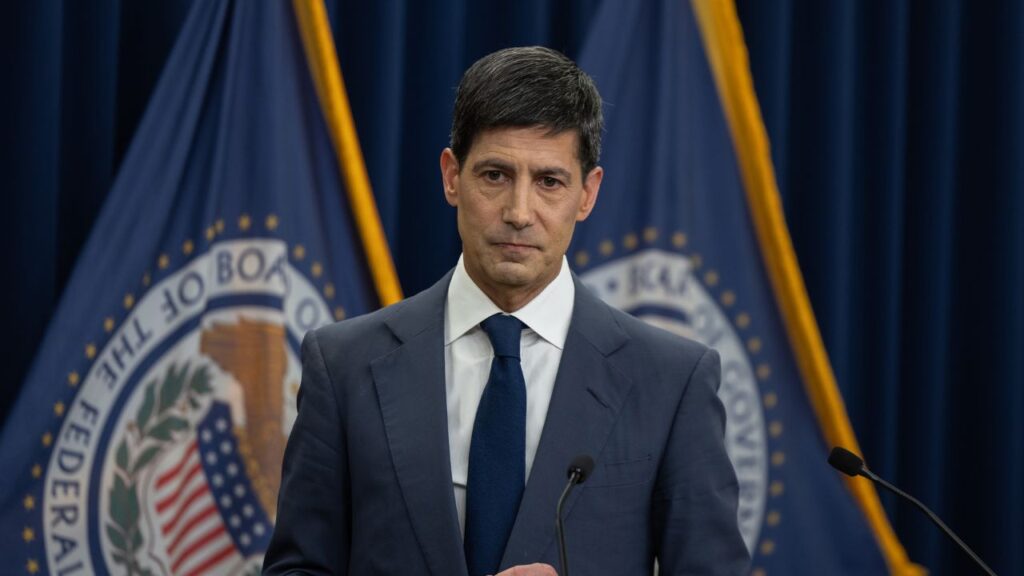
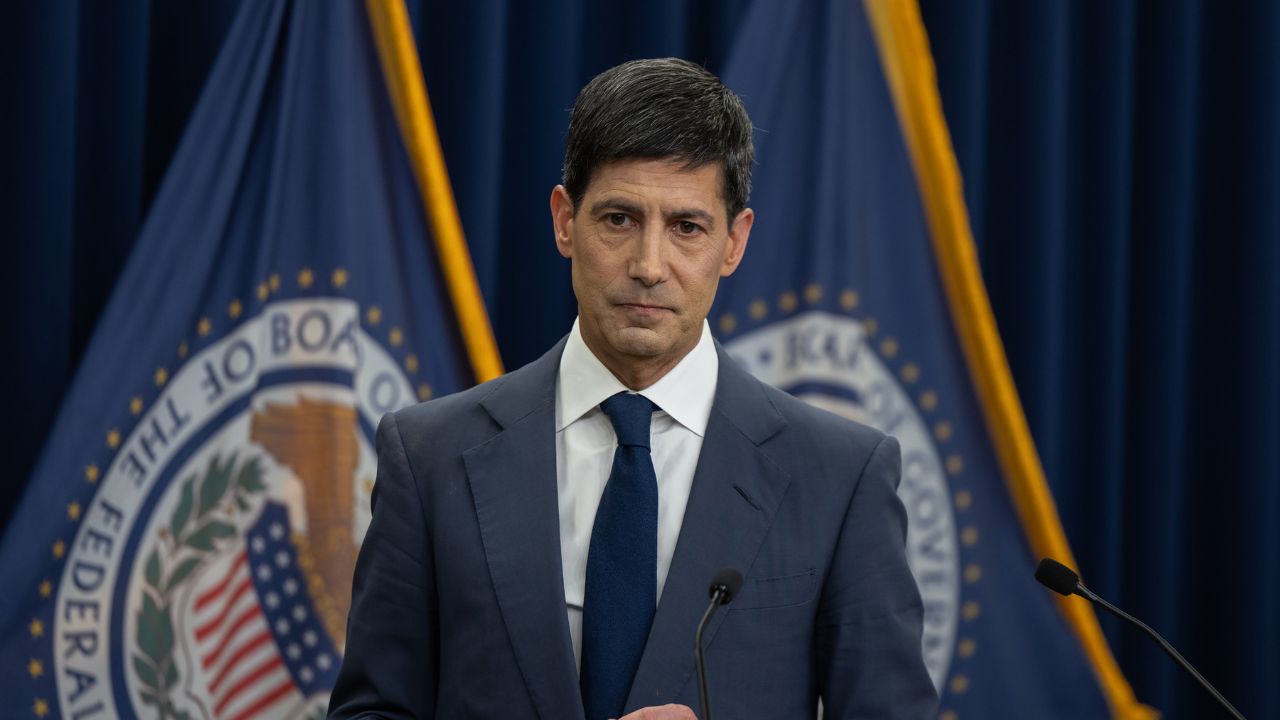
Kevin Warsh, the Fed chair, acknowledged at the bank’s policy meeting last week that those financial conditions had become tighter. But he said he was “unwilling and unable to call them tight.”
Warsh appeared to welcome the move, saying that it helped “in the direction of achieving a longer, more durable period of economic growth and price stability.”
Warsh made clear that the Fed’s goal wasn’t “to throw sand in the gears of the economy and throw people out of work.” That suggests the bar is relatively high for the Fed to jettison its gradual approach to raising rates. It would take fresh evidence that price pressures are intensifying, and perhaps beginning to stem from the labor market. That would very likely necessitate a much more aggressive response from the Fed, either in terms of the pace of further rate increases or the total amount it would eventually deliver.
–
This article originally appeared in The New York Times.
By: Colby Smith/Anna Rose Layden
c. 2026 The New York Times Company