
|
Getting your Trinity Audio player ready...
|
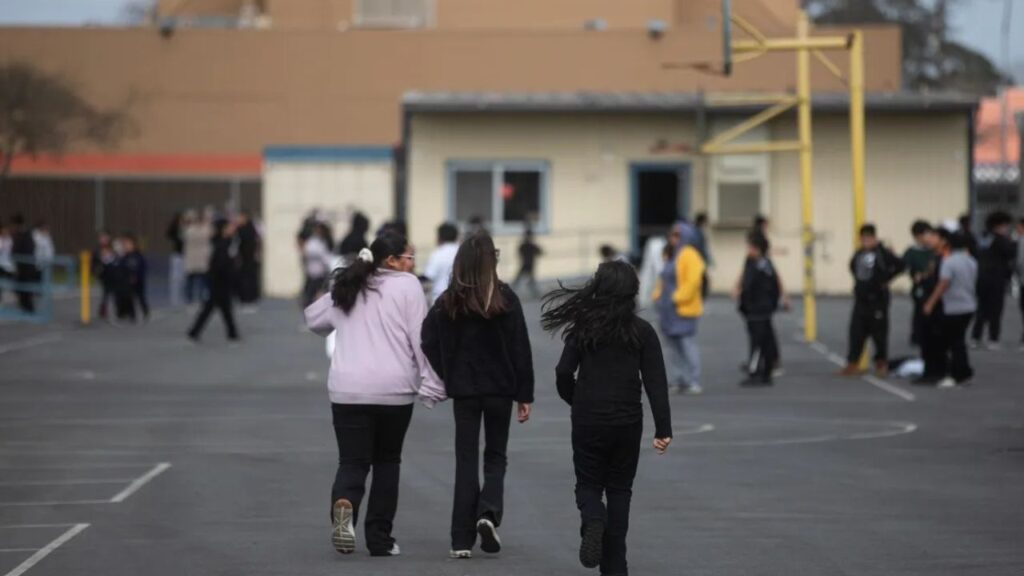
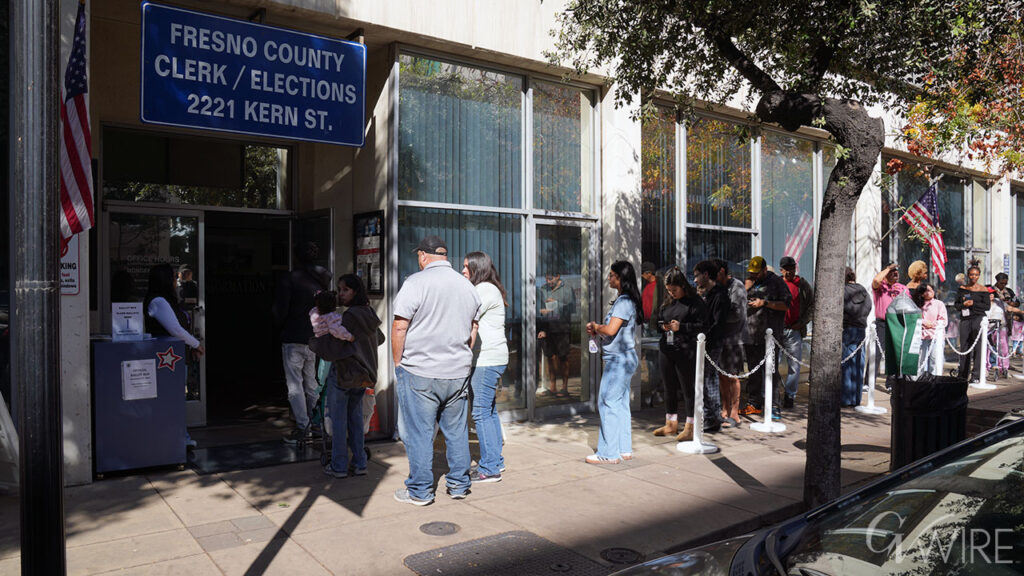
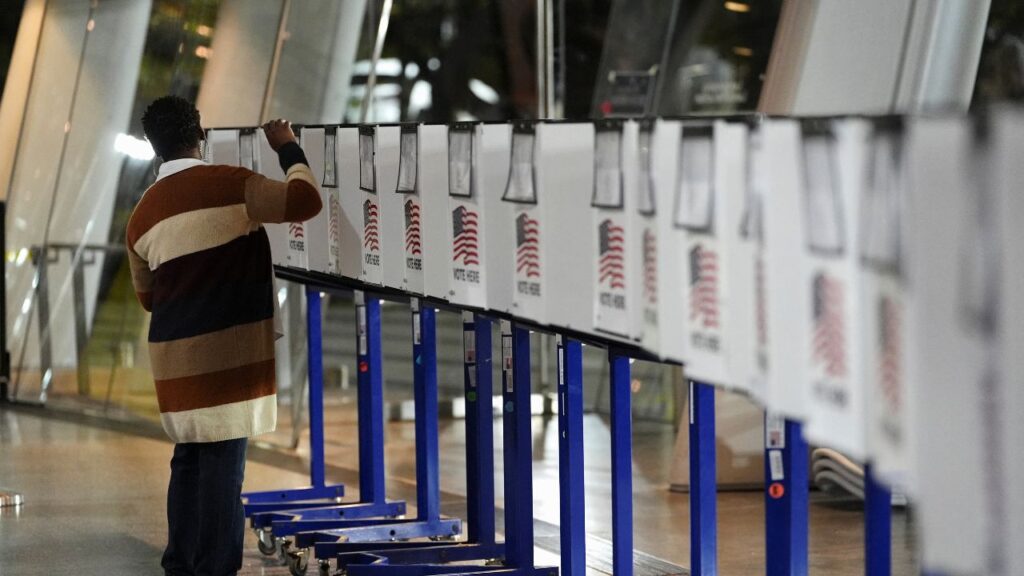
California schools dodged a steep revenue cut on Tuesday as voters permanently extended an income tax on the wealthy.
Prop. 3, put forth by the state’s largest teachers union, won with 59% of the vote compared to 41% against. The measure makes permanent an income tax on the wealthy to fund K-12 schools and other services. Originally passed in 2012, the tax was renewed in 2016 and was slated to expire in 2031.
Supporters of the measure were thrilled Tuesday night.

CalMatters
“California voters reaffirmed the importance of sustaining investment in public education,” said Debra Schade, president of the California School Boards Association and a school board member in Solana Beach, near San Diego. “California students deserve this.”
Since it first passed, the tax has generated between $5 billion and $15 billion a year, up to 15% of schools’ overall revenue. If the tax hadn’t been renewed, schools would lose that money beginning in 2031 and likely have to make deep budget cuts.
The California Teachers Association has made an aggressive push to pass the measure, spending nearly $60 million on advertising and sending members to knock on more than 200,000 doors around the state. Union president David Goldberg called the measure “vital” to protect schools and teachers’ jobs.
Goldberg said on Tuesday night he was happy, but not surprised, the measure won.
“On a nuts-and-bolts level, this means we’ll have secure funding for schools and students won’t have to be afraid their educator will be laid off,” Goldberg said. “On a deeper level, it shows that the people of California are willing to take a risk and support public education.”
The tax applies to individuals who earn more than $371,000 a year or couples who earn more than $743,000. If Prop. 3 passes, those earners would continue paying an income tax rate of 12.3%, one of the highest rates in the country.
A Bait-and-Switch?
The state can’t indefinitely pile taxes on wealthy residents, opponents of Prop. 3 have said. Those residents, about 200 of whom might also face a one-time 5% tax if Prop. 40 passes, would only relocate to lower-tax states, leaving a big dent in state tax revenues.
Opponents also argue that the tax was intended to be a Band-Aid to get schools through the Great Recession, and making it permanent amounts to a bait-and-switch. Opponents also questioned whether the tax is still necessary, considering declining enrollment and increased government spending on schools the past few years.
Once the tax is collected, the money flows into the state’s complex Prop. 98 school funding formula, which guarantees 40% of state revenues go to schools. Of that money, 89% goes to K-12 schools and 11% goes to community colleges. Any extra money generated by the tax goes toward a rainy day fund.
Rising Costs, Declining Enrollment
California funds schools based on how many students show up for class each day, a number that’s been declining for about a decade as families leave for less expensive states, immigration declines and families have fewer children.
At the same time, schools have faced skyrocketing insurance costs and expensive repairs on aging buildings, among other expenses. Although the state has boosted school funding the past few years, school administrators say the money hasn’t kept up with rising expenses.
This article was originally published on CalMatters and was republished under the Creative Commons Attribution-NonCommercial-NoDerivatives license.