|
Getting your Trinity Audio player ready...
|
Back in June, during California’s primary election, I wrote a column asking what I thought was a fairly straightforward question: Y’all understand that “calling” an election is a media thing, right?
Judging by some of the reactions flying around social media on Election Night, apparently it is time to have this conversation again.
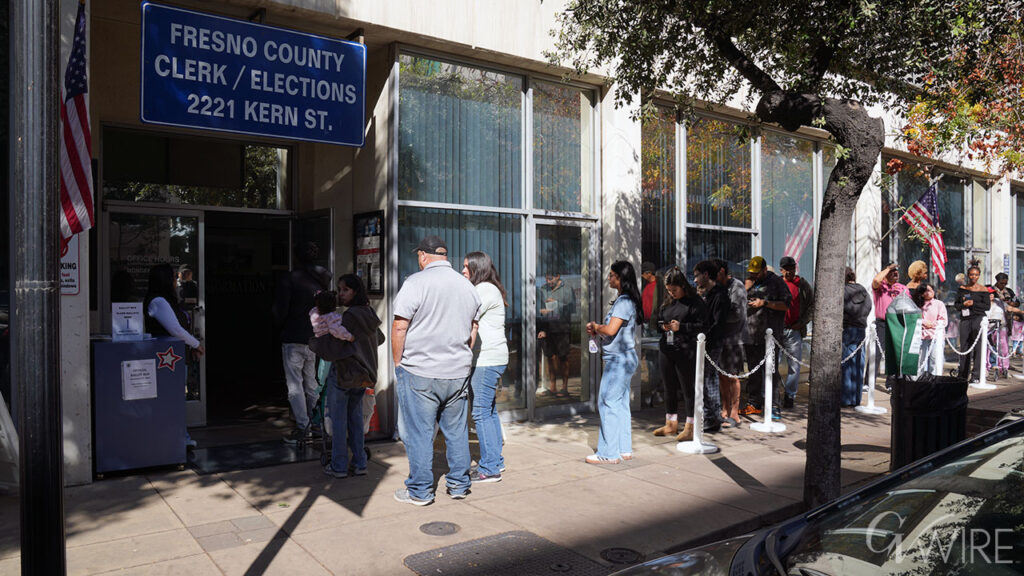
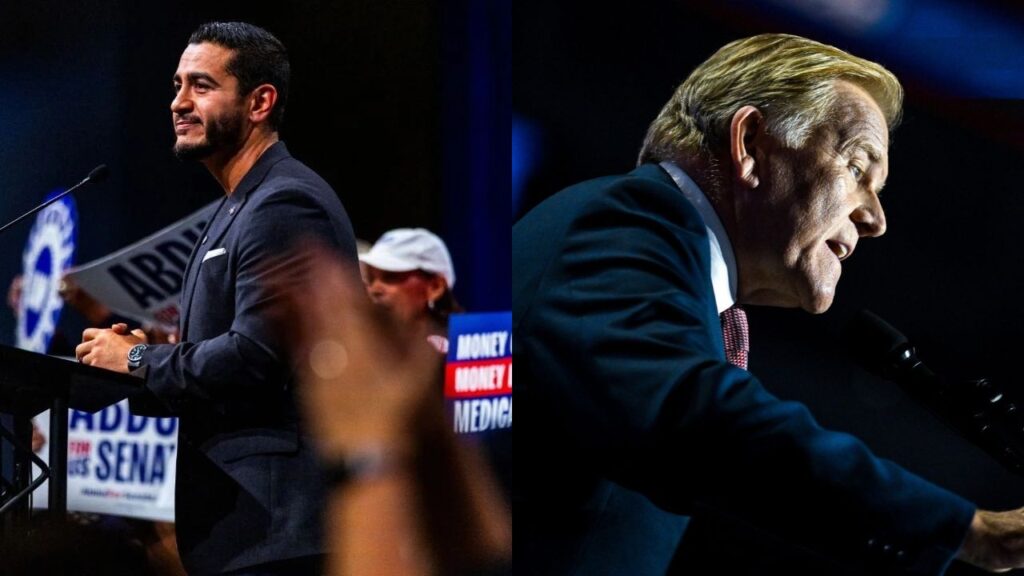
As news organizations began projecting winners Tuesday night, including Democrat Xavier Becerra in California’s governor’s race and enough U.S. Senate contests to determine that Democrats would take control of the chamber, the familiar complaints started appearing almost immediately. How could anybody know who won when only a portion of the vote had been counted? Why were news organizations announcing winners while ballots were still waiting to be processed?

The answer remains what it was five months ago: A news organization calling a race does not end the election, certify the result, or order election officials to stop counting votes. It means a decision desk has examined the available results, the ballots still outstanding, where those ballots are coming from, and what the trailing candidate would need to overcome the leader.

Anthony W. Haddad
The Millennial View
How Can They Call It When Votes Are Still Being Counted?
Tuesday night offered a perfect example because both sides of the process were unfolding at once.
Becerra could be projected as California’s next governor even while millions of ballots had not yet appeared in the statewide tally, just as Senate candidates around the country could be projected as winners while election officials continued counting. At the same time, other races remained uncalled because the outstanding vote still left enough uncertainty that decision desks were unwilling to make the same determination.
Those situations are not contradictory. They show why looking only at the percentage of ballots reported is one of the worst ways to understand an election.
People understandably see a graphic saying 20%, 30%, or 50%, sometimes no percentage at all, of the vote has been counted and assume the outcome must still be completely up in the air, but election results do not arrive randomly from one giant pile.
News organizations know which counties have reported, which have not, what kinds of ballots remain outstanding, and how those areas and voting methods are behaving. If the trailing candidate needs to win the remaining ballots by a margin completely at odds with the results already coming in, a decision desk may determine there is no realistic path left.
That is why one race can be called with a relatively small share of the vote reported while another can remain undecided late into the night with nearly all of the ballots counted. The question is not simply how many votes remain. The real question is whether those votes could plausibly change the outcome.
Nobody at a News Desk Is Certifying Your Election
Part of the confusion probably comes from the language journalists use because “calling a race” sounds far more official than what is actually happening.
When a network says it has called California for Becerra, there is no magical red telephone connecting the newsroom to the secretary of state ordering election workers to pack everything up. When news organizations determine that Democrats have won enough Senate seats to control the chamber, the U.S. Senate does not immediately reorganize itself because a chyron appeared at the bottom of a television screen.
The votes continue being counted because election officials, not news organizations, administer elections.
What the media is doing is making a statistical and journalistic determination about the outcome based on the information available. That determination can be extremely reliable without being the same thing as certification, and those two ideas should not be difficult to hold in our heads at the same time.
Related Story: NBC Projects Democrats to Win 258 House Seats
California Is Proof that Calling and Counting are Different
California is probably the best place to understand the difference because our elections are notoriously slow to finish.
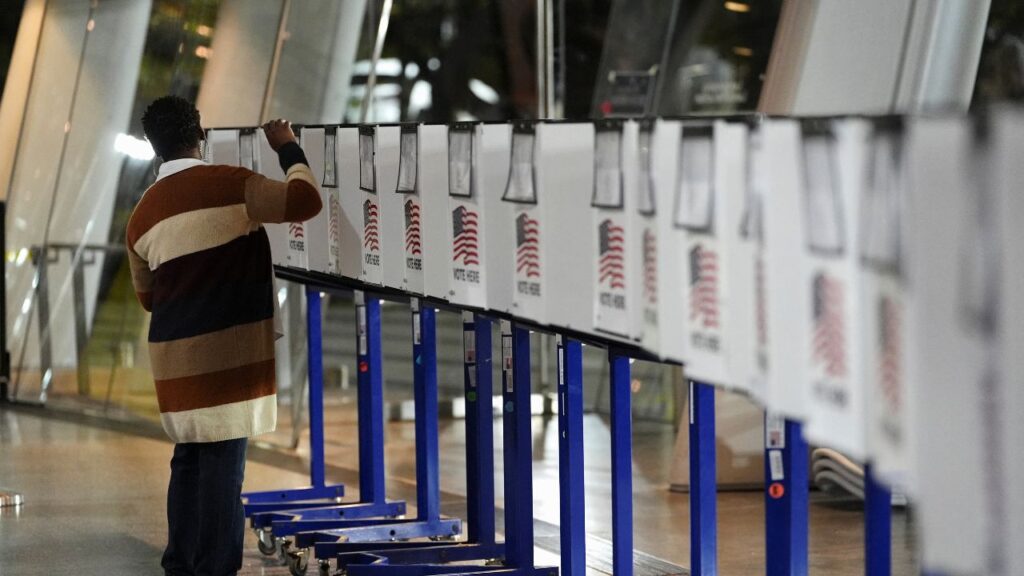
A statewide race can be projected on Election Night while county election offices continue opening envelopes, checking signatures, processing provisional ballots and tabulating eligible votes for days or weeks. Eventually, counties certify their results and the state certifies the statewide election.
That is the legal finish line.
NBC News, The Associated Press, or any other newsroom making a projection does not replace that process, and it never has.
News organizations can get projections wrong, which is exactly why major outlets employ specialized decision desks and become cautious when the numbers do not provide enough certainty.
Election night itself demonstrates that whenever a closely watched race remains conspicuously absent from the list of calls while millions of people refresh their phones and demand to know who won. If news organizations were simply picking winners, there would be no reason to wait.
The fact that some races are called quickly while others remain undecided is not evidence that the system is inconsistent. It is evidence that the available data is different from race to race.
The Media Projects. Election Officials Certify. Period.
I understand why people are more skeptical of elections, political institutions, and the media than they were a generation ago, and journalists have an obligation to explain how these decisions are made instead of assuming everyone understands what an election-night projection actually means.
But skepticism should also come with an effort to understand the process.
A media projection is not somebody declaring that remaining votes do not count. It does not stop the canvass, replace certification, or prevent the counting of eligible ballots.
It is a newsroom telling its audience that, based on the results available and the votes still outstanding, it has concluded who will won.
That was true when I wrote this in June, and it remained true Tuesday night as Becerra was projected to become California’s next governor, Democrats secured enough victories to take the Senate and Americans watched some races get called quickly while others remained unresolved.
The media projects the winner. Election officials count the votes. Government certifies the result.
Those things are connected, but they are not the same thing, and after another Election Night of watching people completely lose their minds over a television network “calling” an election, I am begging everyone to finally learn the difference.
Want to learn how media calls a race? Click here.
About the Author
Anthony W. Haddad is a Fresno-based reporter and columnist known for the award-winning Millennial View column series and Local Side Quests, which explores overlooked events, businesses, and experiences across the Fresno area. His work covers a wide range of topics, from pressing local issues and community concerns to the everyday challenges, culture, and experiences shaping life in the Central Valley.
—
Connect with Anthony W. Haddad on social media. Got a tip? Send an email.