


|
Getting your Trinity Audio player ready...
|
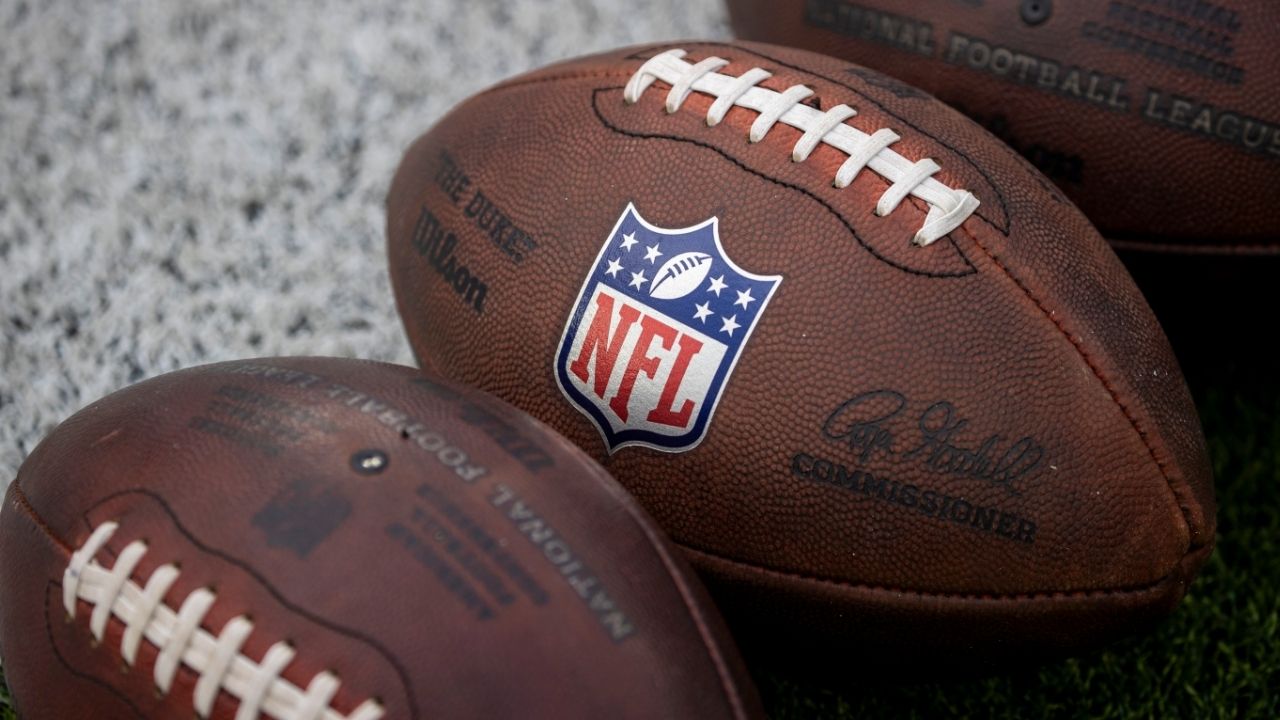
This summer, a scientific study sent reverberations through the football world, making headlines and deeply worrying players and families.
At least 25% of retired NFL players who died over a recent six-year period, the study found, had CTE, or chronic traumatic encephalopathy, the neurodegenerative brain disease associated with repeated hits to the head.
But most of the other 75% of deceased players were never tested. That left a complex, high-stakes question — the actual prevalence of CTE among deceased ex-NFL players — open for analysis.

Now, the same research team has deployed statistical techniques to home in on a more precise number. In a new study published Wednesday, they estimate that 3 out of 4 former NFL players who died between 2008 and 2023 most likely had CTE in their brains at death.
By contrast, the same researchers studied brain banks that reflect the general population and estimate that only 0.6% of people have CTE.
This remarkable disparity sharpens the question faced by current players, NFL retirees, football fans and parents: Just how dangerous is football?
Because CTE can be diagnosed only by autopsy, the quest for an answer has revolved around brain banks that include donations from former NFL players.
Across nearly 400 brains of former NFL players that were donated and studied, the statistics look impossibly grim: More than 90% showed signs of CTE.
But researchers have long cautioned that this is most likely an overestimate. Brains are usually donated because former players or their families saw symptoms that aligned with CTE, including headaches, memory loss and unrecognizable shifts in personality. Since families that did not see those symptoms are far less likely to donate a player’s brain, banks provide a distorted snapshot of the overall population. Extrapolating broader lessons, policy recommendations and prevention strategies from this sample has turned into an urgent, and fraught, statistical puzzle.
In the new study, the researchers tried to quantify the selection bias and analyze the likelihood that untested brains had CTE.
In a statement, the NFL said it “strives to make the game of football safer, including by implementing strategies to reduce concussions and head impacts.”
In the decade since the NFL first acknowledged the risk of CTE, it has altered rules and safety protocols — at the same time that it has increased the number of regular season and postseason games.
The overall impact is unclear.
—
This article originally appeared in The New York Times.
By Carolyn Y. Johnson and John Branch
c. 2026 The New York Times Company