


|
Getting your Trinity Audio player ready...
|
Westlands Water District has partnered with Naval Air Station Lemoore to request $1.8 million in funding from the Department of Defense in its ongoing efforts to battle invasive golden mussels.

The funding is through the department Readiness and Environmental Protection Integration program, which is aimed at avoiding land-use conflicts around federal bases and increasing base resilience, according to its website.
“Golden mussels threaten water supplies that are critical to operational readiness and mission continuity in support of the U.S. Pacific Fleet,” wrote Westlands spokesperson Jason Mendez in an email.

The money is not a “grant” and has a cost sharing provision, Cynthia Echavarria Baruch, spokesperson for the base, wrote in an email.
Decision Expected in Early 2027
Echavarria Baruch would not say what Westlands’ share would be. She wrote that, if the project is selected, the funding would likely be announced in February or March 2027.
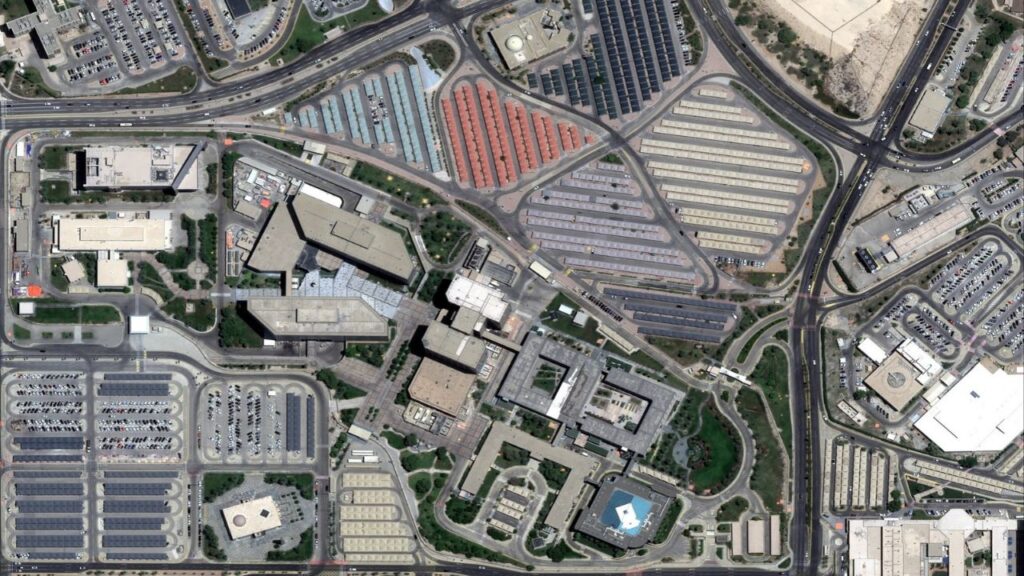
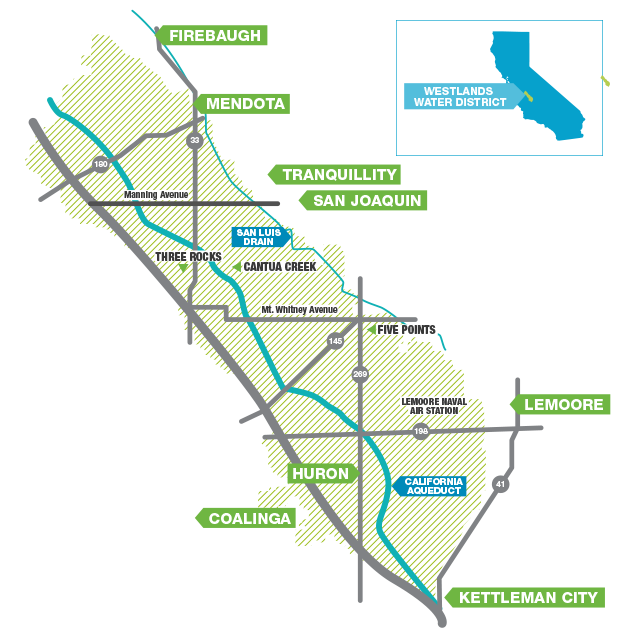
The money would be used to treat two pipelines Westlands uses to deliver water from the California Aqueduct to the base, which sits on the district’s southeastern boundary.
The water district has rights to “make available” a total of 5,000 acre-feet annually for the Naval air station. But that amount is subject to how much water Westlands receives from the Bureau of Reclamation each year. From March through August this year, the district delivered 1,366 acre-feet of water to the Naval air station, according to Westlands’ Sept. 15 board meeting packet.
If the $1.8 million is funded, Westlands would pay for two treatments of a non-copper, biodegradable molluscicide (Zequanox) as an option to protect “critical water infrastructure,” according to Mendez’ email.
The REPI funding could potentially pay for follow-up treatments for up to five years, according to Westlands’ Deputy General Manager Kelly Vandergon, who briefed the district’s board about the funding request during the its Sept. 15 meeting.
Vandergon added that Westlands is also “closely following” funding from Proposition 4, the $10 billion climate bond that includes a $20 million portion for golden mussels.
Westlands Plans Prop 218 Election to Fund Mussels Control
In the meantime, Westlands is planning to hold a Prop. 218 election to increase land assessments partly to raise money to manage golden mussels, according to District Deputy General Manager of Finance and Administration Sherman Dix, who also briefed the board on Sept. 15.
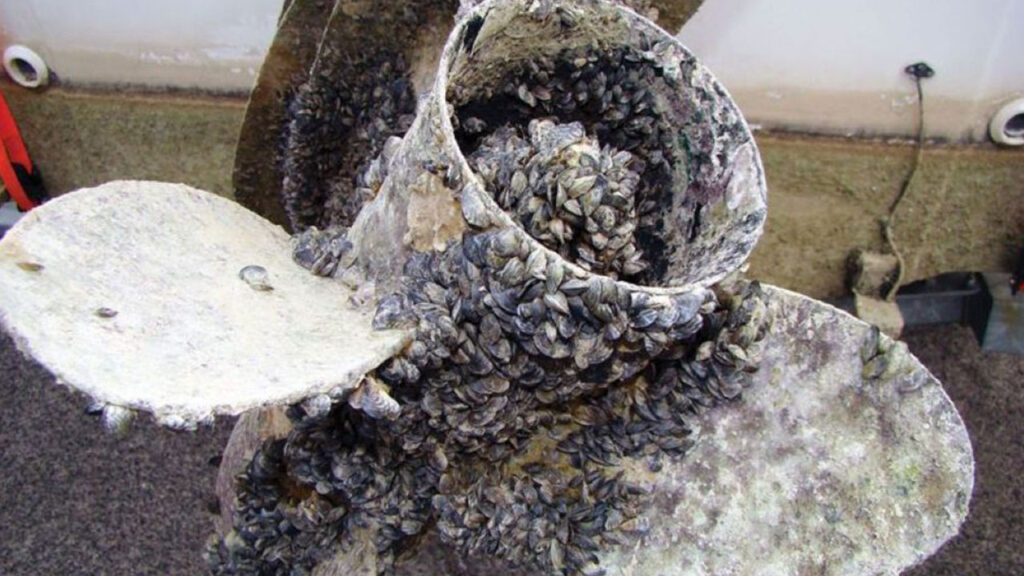
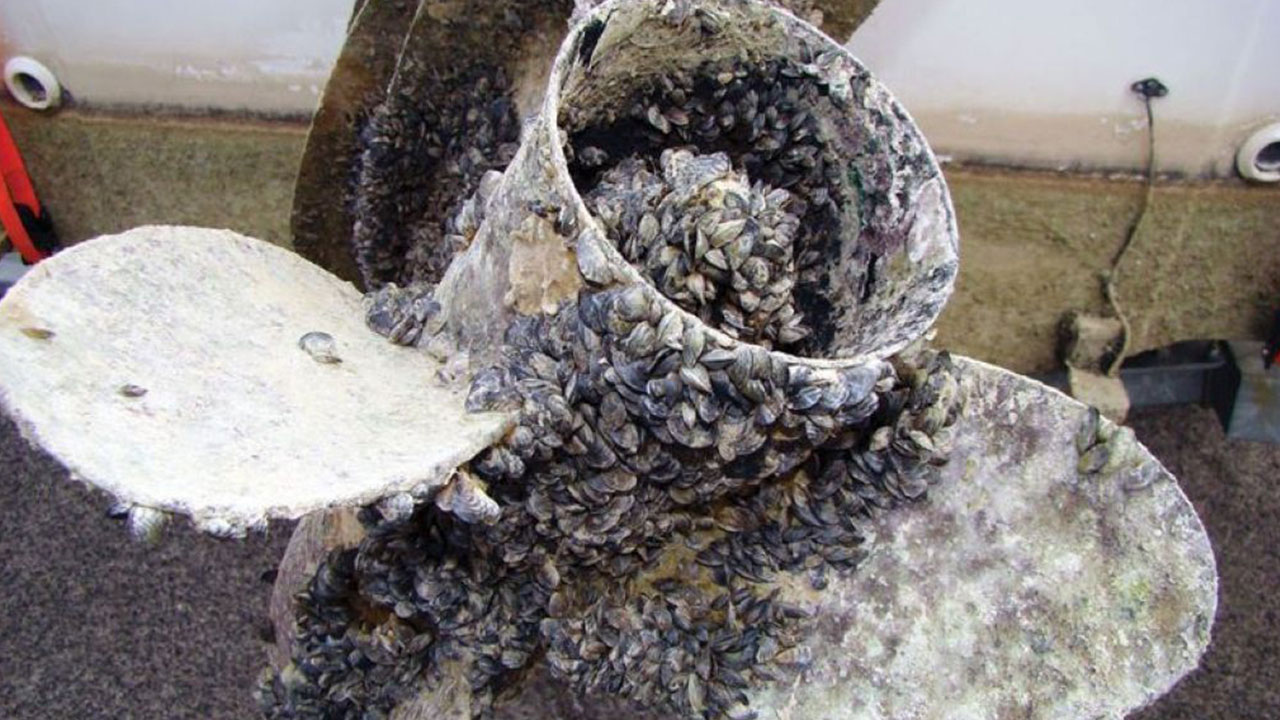
Dix said, if approved, the increased assessment would provide the district with $1.5 million a year to fight the invasive pest that builds massive colonies that cling to the insides of pipes, restricting water flow.
Board member Frank Coelho said $1.5 million seemed “woefully low.”
Mussels Cleanup Estimate Is $4.5 Million Annually
The annual cost to treat all 64 of Westlands’ existing pipelines could cost the district up to $4.48 million, based on a cost of $70,000 per line.
But district staff doesn’t yet know how often or how many pipelines the district might need to treat, Vandergon said.
He said low-dose treatments done in late July resulted in 100% mortality and also showed evidence of a breakdown of shells. He called the treatment approach “very effective” and said the results at less-than-expected concentrations and exposure times were “definitely an encouraging sign.”
Board members approved the engineer’s report with a provision for revising the golden mussel component ahead of the Prop. 218 election vote on Dec. 15, 2026.
About the Reporter
Allison Hunter is a California Local News Fellow covering water issues in the San Joaquin Valley.
About SJV Water
SJV Water is an independent, nonprofit news site covering water in the San Joaquin Valley, www.sjvwater.org. Email us at sjvwater@sjvwater.org