

|
Getting your Trinity Audio player ready...
|
A reduced mining agreement wasn’t enough to get the necessary votes from Fresno County Planning Commissioners to approve a controversial plan to blast a deeper hole in an aggregate quarry along the San Joaquin River.
Now, it will be up to the company, Cemex, to decide whether to appeal the decision and send it directly to the board of supervisors.
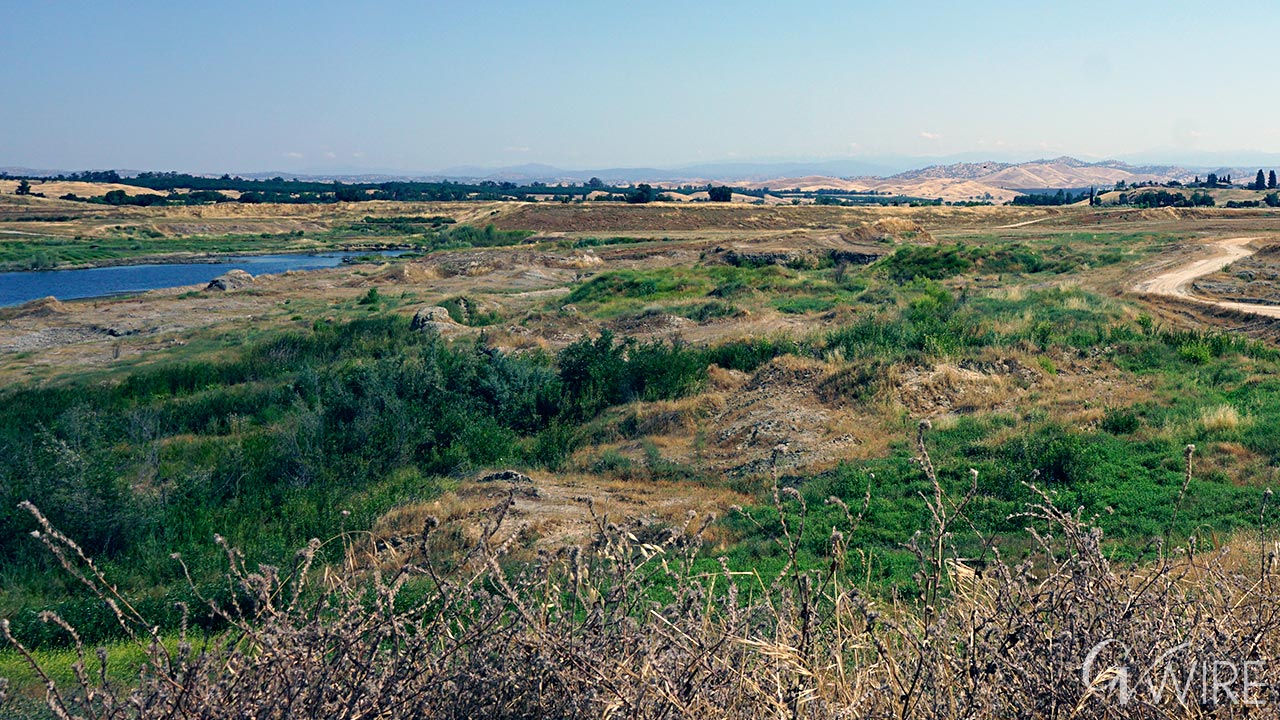
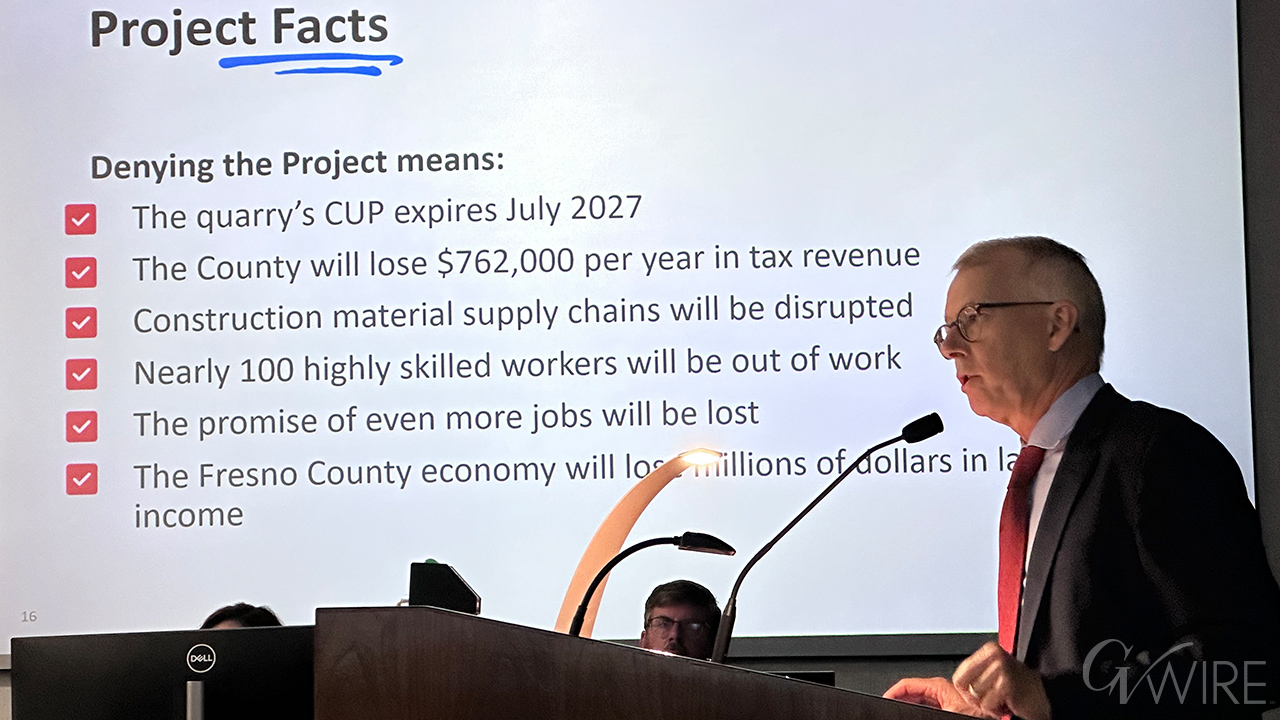
With the contract for what has been more than 100 years of mining at the Rockfield Quarry expiring July 2027, Cemex had originally sought a 100-year deal and a permit to blast deeper at their mine site — going down from roughly 100 feet to 600 feet deep.

After years of vocal opposition from groups trying to preserve the river, county staff developed an alternative giving the company 63 years and a permit to blast down to 300 feet.
While Pat Mitchell, an attorney for Cemex, said the company could work with the reduced plan, it wasn’t enough to persuade commissioners Ken Abrahamian, Glenda Hill, and James Quist. They said they wanted county staff to have looked at mining sites away from the river.
“That hole, whether it’s 300 feet or 600 feet, it’s still going to be a hole in the ground,” Hill said.
Commissioners Dave Borchardt, Kyle Chaney, and John Arabian approved the project. Thus, three-to-three, the proposal failed to win approval.
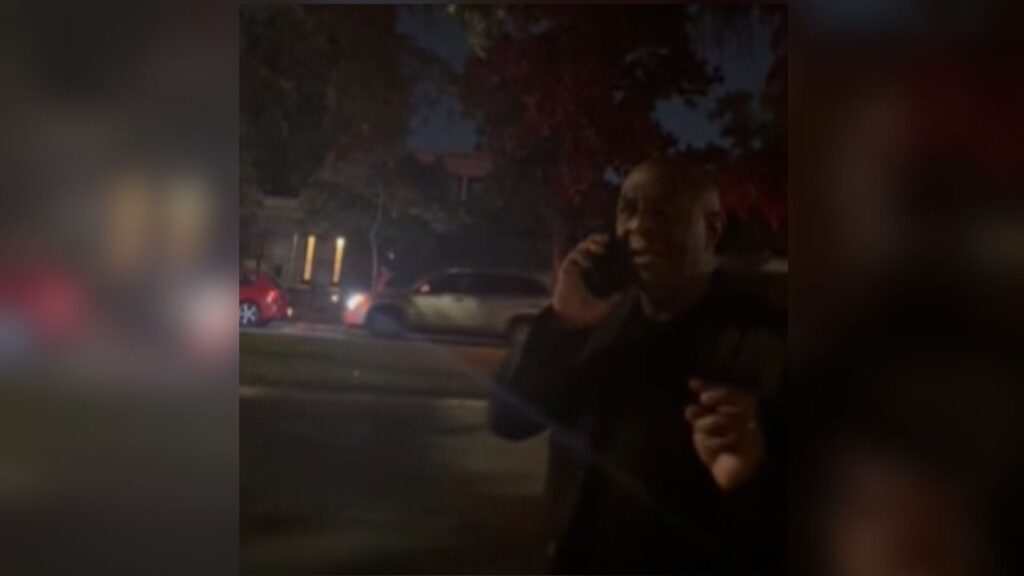
Three commissioners were absent at the time of the vote: Pablo Villagrana, Michelle Roman, and Lawrence Garcia. Villagrana and Garcia missed the meeting entirely, and Roman left before the vote on Cemex’s application.
Audience Packs Entire Floor of County Hall of Records
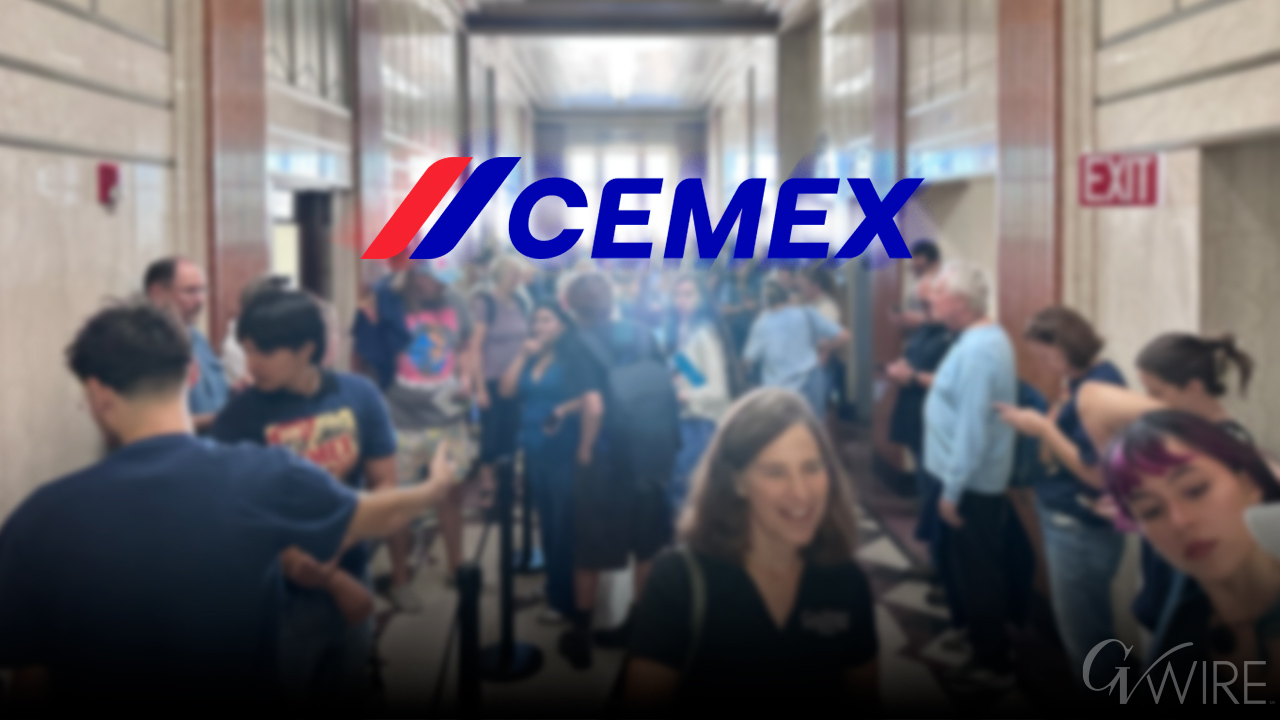
Hundreds of people packed the Fresno County board chambers, the county had to open a second room to accommodate them. Most came to oppose the projects. In fact, public comment in opposition lasted more than two hours.
“Why on earth would blast mining be allowed where people go to recreate?” asked Fresno resident Connie Young.
About a dozen or so employees and union representatives also spoke, citing good-paying jobs at Cemex and for the need to have building material close to construction sites, reducing pollution and costs to build homes and roads.
“Importing materials could increase construction costs in an already unaffordable environment,” said Eddie Torres with the Northern California District Council of Laborers.
Cemex spokesperson Randy Stuart said the company is evaluating its next steps.
“While we’re disappointed with today’s outcome, we respect the process and are reviewing our options,” Stuart said. “Cemex remains committed to being a responsible community partner and providing the materials needed to support regional growth.”
Sharon Weaver, executive director of the San Joaquin River Parkway and Conservation Trust, said she was “very pleased” the project directly adjacent to Lost Lake Park was denied. She said if appealed and approved by the Board of Supervisors, legal action would be a possibility.
“We haven’t made any decisions about the future, we have to take each step as it goes,” Weaver said.
What Did Cemex Say About Its Plan?
Addressing impacts of blasting, pollution, traffic, and whether or not Fresno County even needs more aggregate, Mitchell presented Cemex’s case. He said that for decades, people have recreated on the river while mining operations have occurred.
“It’s not one or the other, you can have both,” Mitchell said.
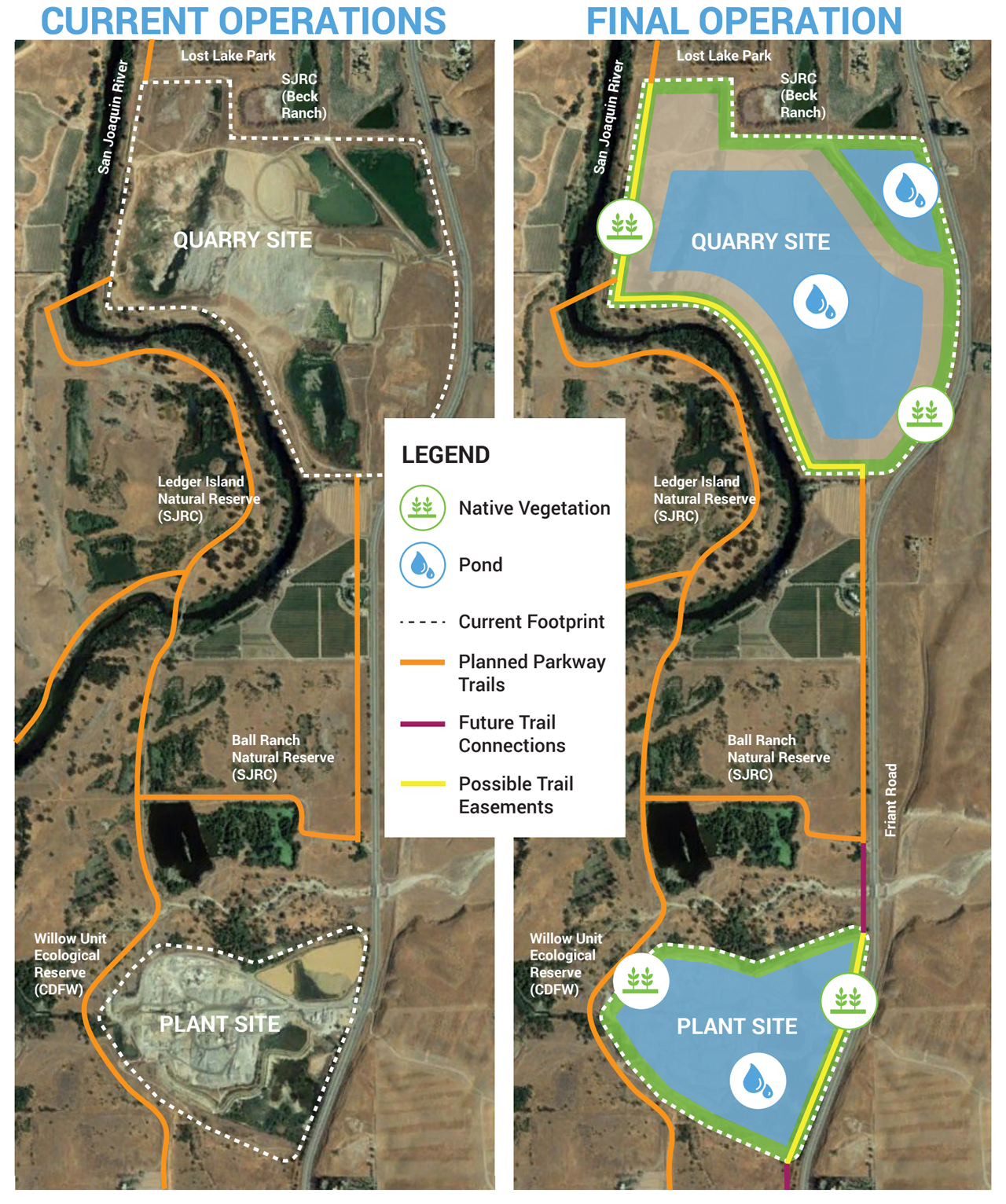
At the dig site about a half-mile away from the river bank, the company would stop its focus on extracting alluvium and turn toward hard rock, something Mitchell called a “fundamental building block of modern society.”
The aggregate pulled from sites such as Rockfield make up 94% of materials that go into any asphalt road. Additionally, materials there go into homes, offices, hospitals, stadiums, and most construction.
While not necessarily expensive on its own, aggregate’s costs lie mostly in transportation due to its weight. Mitchell said transporting aggregate farther than 20 miles is typically not feasible for construction projects.
In June, supervisors allowed a similar mining project proposal near Sanger more time to develop its operations.
Mining has taken place at the Rockfield site for more than 100 years. The biggest difference would be the depth of the quarry and blasting. Rather than go horizontally with its mine, Mitchell said the best choice was to go vertically.
“When people say you’re going to put a hole next to the river, there’s already a hole next to the river,” Mitchell said. “Admittedly, it will get deeper.”
Blasting a New Addition to River Environment
With a project that deep, concerns arose about the impact on the river and whether water demands at the quarry could affect its flow or pollutants contaminate it.
Geologist and hydrologist Andrew Kopania with Emko Environmental, contracted on the Cemex project, said nearby wells to backfill the quarry pull from a more inland area separate from the river.
Water put back into the ground would be the same water pulled up, Kopania said. Some residents raised concerns about pollutants from blasting chemicals seeping into the aquifer.
Beyond the depth of a 300-foot hole, blasting would be the biggest difference between current operations and what Cemex has planned.
Mitchell said that precision blasting allows the company to limit use to only one or two times a week between 10 a.m. and 2 p.m. and “only for a few seconds.” Workers can aim explosions to minimize noise away from the river and neighbors, he added.
Blasting would be completely new to the environment, however, Weaver said.
“This is a very significant change that we’ve never seen on the San Joaquin River,” Weaver said. Weaver criticized Cemex’s environmental study saying they used an office building as a comparison which doesn’t have 24/7 occupancy.
Others said blasting would affect wildlife and people trying to enjoy the river. Two Fresno State students who study the river said the blasting would come only a few years after concerted restoration efforts helped bring spring-run Chinook salmon back to the San Joaquin.
“The river deserves restoration, not another century of resource extraction,” one Fresno resident said.
Does Fresno County Need More Aggregate?
Extraction of aggregate at the Rockfield site would more than double, going from 1.4 million tons per year to 3 million tons, the company said. A recurring question from attendees was whether the county needs more aggregate.
An April 2026 study of aggregate sustainability in California forecast a need in the region for 227 million tons over the next 50 years. The study says the Fresno region has 530 million tons of permitted reserves.
Cemex disputed that, however, with a study from Antonio Avalos, chair of Fresno State’s economics department.
Avalos in his study said the state underestimated individual aggregate demand, estimating a per-capita need of 4.25 tons whereas he estimated it to be 6.51 tons, based on historical figures.
He said the state’s lower estimate came from a time range that included recessions between 1980 and 2016. Nationally, per capita aggregate demand is closer to 9 tons, he said in his study.
“When local resources are depleted or when annual consumption exceeds local supply, the region will need to rely even more heavily on aggregate transported from outside the Fresno metropolitan area, such as Coalinga or Tulare County,” Avalos wrote in his study. “Long-haul transportation of aggregate to the Fresno metropolitan area is much costlier, increases vehicle air emissions and road deterioration, and contributes to traffic congestion.”