
|
Getting your Trinity Audio player ready...
|
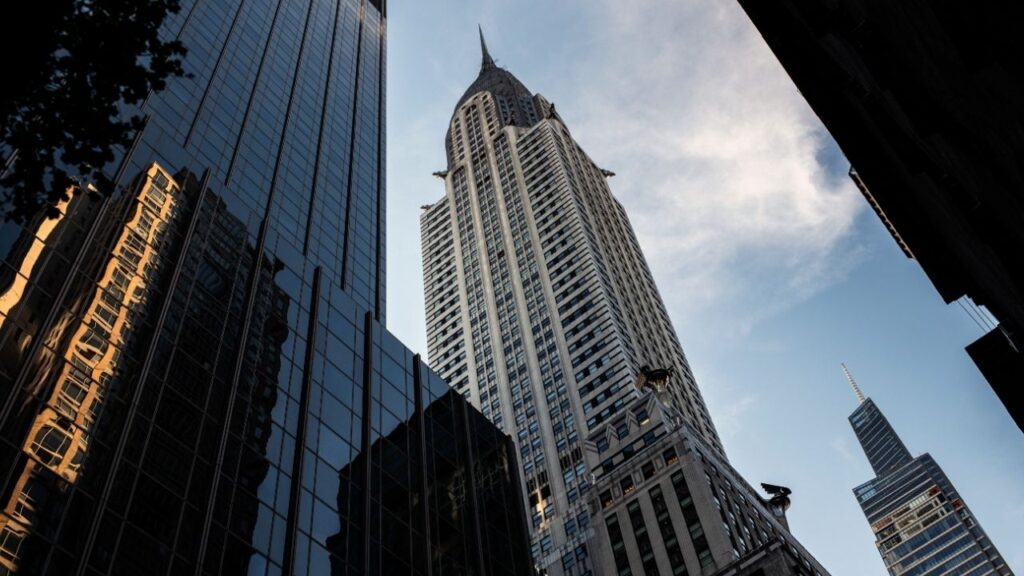
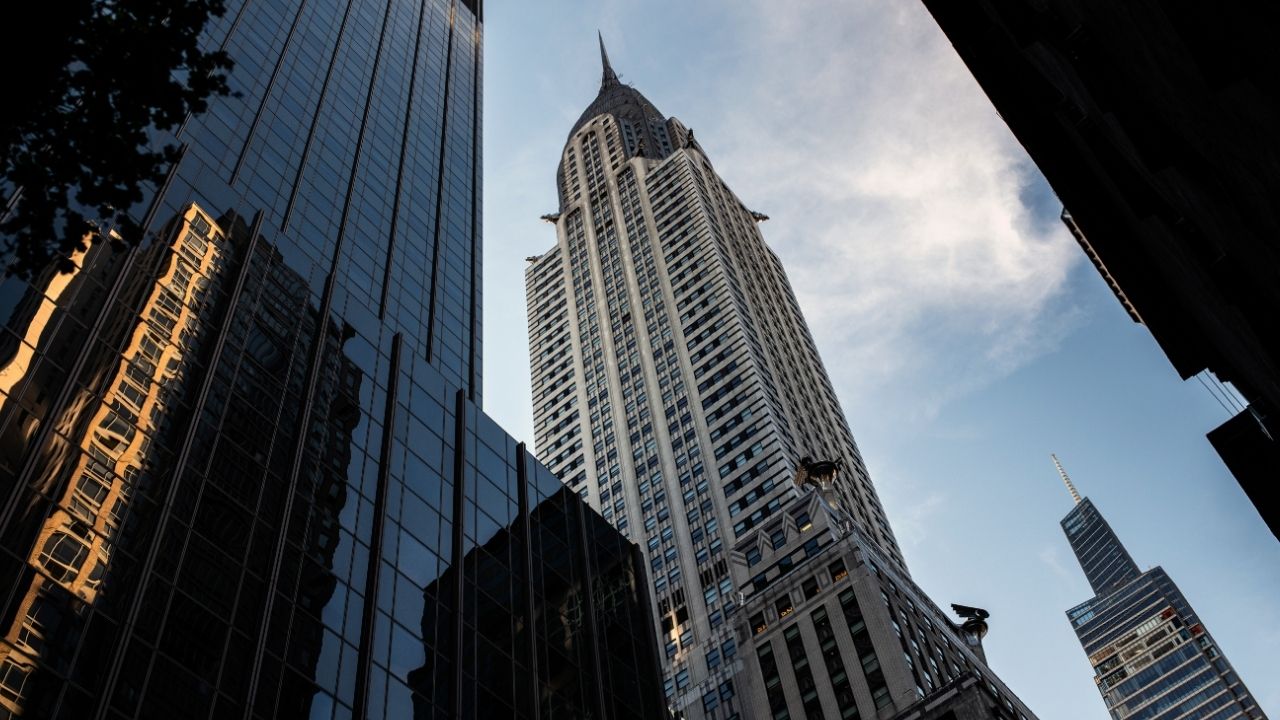
NEW YORK — The Chrysler Building, the art deco skyscraper that has defined the Manhattan skyline since it opened in 1930, is poised for a makeover.
Tishman Speyer, the large commercial landlord, along with a number of other investors, is buying the building for $235 million and planning a substantial upgrade of its interiors.
The purchase caps more than a year of uncertainty after the building’s previous owners ran into financial difficulty and were criticized for neglecting its upkeep while vacancies soared.

Rob Speyer, the CEO of Tishman Speyer, said in an interview that his firm planned to restore the Chrysler Building’s offices and common areas to their former glory.
“We’re going to modernize the whole infrastructure of the building, whether it’s doing a total overhaul of the elevators, or the stainless steel at the crown of the building, polishing it so that it shines,” Speyer said. “Because this is a building that every New Yorker feels like they own. Because when you see it on the skyline, it’s your building.”
The 1,046-foot tower, designed by architect William Van Alen, was once the world’s tallest building. It has cycled through a list of tenants that have included the Western Union Telegraph Co. as well as the Chrysler Corp., which had its headquarters there for two decades.
The land under the building is owned by Cooper Union — and Tishman Speyer will have to pay rent to the private college as part of a 150-year ground lease.
The deal represents a sort of round trip for Tishman Speyer. In 1997 the firm, one of New York’s largest commercial landlords, purchased the Chrysler Building and other properties with partners for $220 million. Afterward it restored many of the building’s art deco flourishes, including the Edward Trumbull mural that adorns the ceiling in its lobby.
Tishman Speyer sold the majority of its investment in 2008, during the depths of the Great Recession, to Abu Dhabi’s investment fund for $800 million. Signa, an Austrian real estate company, and RFR, a New York-based development firm, bought the property in 2019 for about $150 million, a purchase price that reflected, in part, competition from newer buildings and the escalating rents that Cooper Union charged. (In 2018, rent had skyrocketed from $7.75 million to $32.5 million.)
In 2023, not long after the COVID-19 pandemic upended the global office market, Signa filed for insolvency and was ultimately forced to sell its share of the building. By 2024, RFR was behind on its lease payments, and a judge terminated its lease last year.
Speyer said he had struck a “new deal” with Cooper Union, declining to elaborate on the lease terms. “It’s a structure that’s going to be sustainable both for Cooper Union and for us,” he said.
Cooper Union has for decades used its lease payments to help provide substantial financial aid to students. The Tishman Speyer deal comes as the school seeks to “advance and sustain full-tuition scholarships for all undergraduates,” it said.
“The significance of this agreement is ultimately about what it makes possible for generations of Cooper Union students,” Steven W. McLaughlin, president of Cooper Union, said in a statement.
Among the renovation plans: Tishman Speyer plans to turn the 61st floor — the one known for its stainless steel eagle gargoyles looking out over Manhattan — into a clubhouse, with food and drink on the inside and a terrace on the outside, which will be open to all building tenants. It will also add wellness services, including fitness options, to the arcade space below the building’s lobby.
The agreement echoes a playbook the firm has employed at 30 Rockefeller Plaza, which Tishman Speyer purchased with other investors for $1.85 billion in 2000. The firm led a series of renovations of that 70-story art deco building, and the famed ice rink adjacent to it, including a $75 million revamp of the observation roof and the introduction of upscale dining and retail to its underground space.
High-end New York office space has been booming, boosted in part by the rapidly increasing footprint of artificial intelligence firms and by long-term bets signed by major Wall Street firms, like American Express. Demand for office leases in Manhattan in the first half of the year was the highest since 2002, according to data compiled by the investment management firm Colliers.
The limited supply of new office development and rising costs of construction have made refurbishing buildings like the Chrysler Building a more appealing option than breaking new ground, Speyer said.
“Construction costs are very expensive, interest costs are very expensive, and development economics just don’t pencil out,” he said.
—
This article originally appeared in The New York Times.
By Lauren Hirsch/Graham Dickie
c. 2026 The New York Times Company