

|
Getting your Trinity Audio player ready...
|
WASHINGTON — They tried and failed to bring up a bill that would limit, but not ban, congressional stock trading.
They sought unsuccessfully to advance legislation that would encourage, but not require, utility companies to force data centers to foot the bill for rising energy costs.
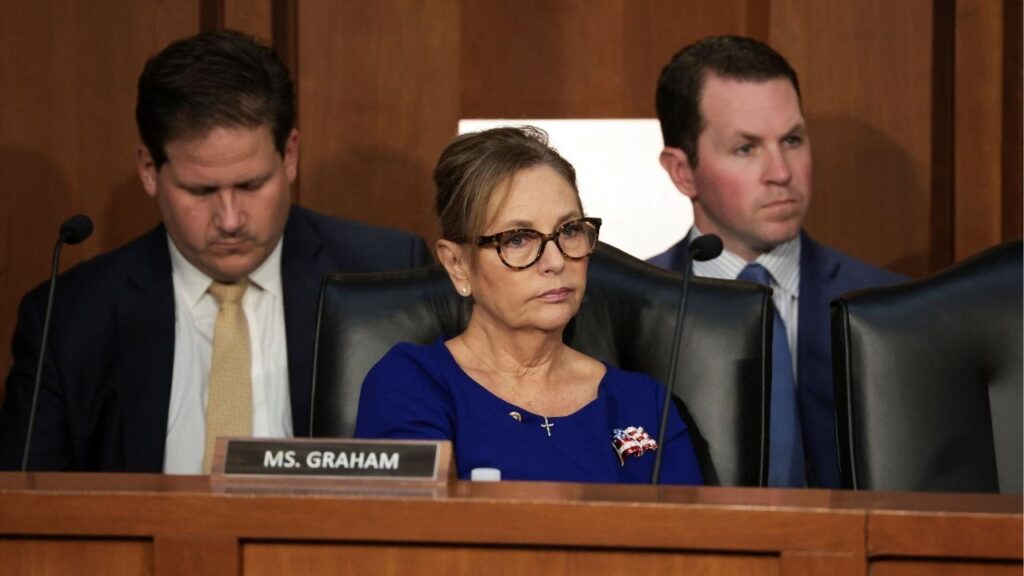
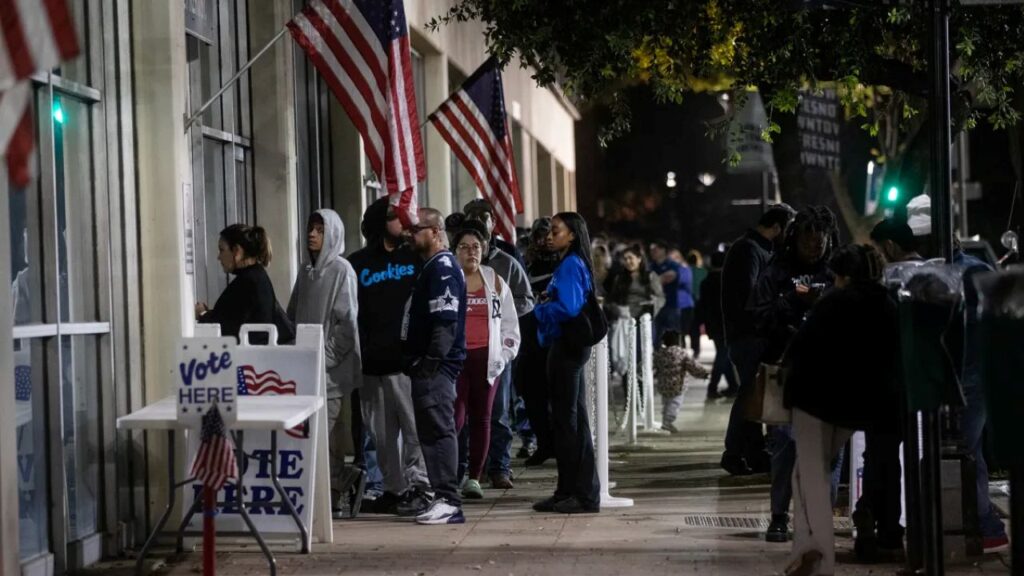
Republicans in Congress this week spent their last hours in the Capitol before the midterm elections pushing a series of meant-to-fail votes that they hoped could signal to voters that they were at least trying to address widespread concerns about the high cost of living. It was a familiar preelection exercise made more urgent this year because those Republicans are battling stiff headwinds, including economic concerns and President Donald Trump’s sagging approval ratings, in their battle to maintain control of Congress.

But they emerged with no meaningful progress on a long list of issues weighing on their constituents, leaving some wondering — if not openly doubting — whether they had done enough to persuade voters to keep them in power.
“If you can’t pay the bills, you know, no matter how much you love us as Republicans, we’re in control,” said Sen. Jim Justice, R-W.Va. “And if you can’t pay the bills, you’ve got a real problem with us.”
Senate Ignores Economic Pain of Americans
Though polls have shown voters to be concerned with the economy, the cost of living, the war in Iran and government corruption, the Senate spent most of its final two weeks of floor time debating an expansive college sports bill that few thought would have much resonance on the campaign trail.
Republicans’ marquee legislative achievements have been a sweeping tax cut and domestic policy bill that was so unpopular that they tried to rename it; a tranche of funding for federal immigration enforcement efforts of which Americans are increasingly wary; and a substantial housing law that the president refused to sign and is unlikely to have an immediate impact on housing costs.
GOP leaders who have spent most of their party’s two-year governing trifecta deferring to Trump had little choice but to project optimism that it would all be enough to overcome the growing dismay over the cost of food, fuel and other consumer goods. But even they were focusing their closing message not on their own achievements but on dire warnings about what Democrats would do if they win control of Congress.
“If you vote for Democrats, what you’re going to get is higher taxes, more spending, bigger government and open borders,” said Senate Majority Leader John Thune, R-S.D. “I mean, that’s the choice in front of the American people. So irrespective of where things are today and what the price of diesel is today, if you want a better future for your family as you look at this election, the choices in front of you, to me, it’s a no-brainer.”
Still, Thune is not on the ballot. With a growing number of races seen by both parties as toss-ups, some in the party conceded that control of the Senate may rest on how successful individual Republicans are in distancing themselves from Trump and the GOP brand.
“You’ve got to be pitch-perfect,” said Sen. Thom Tillis, R-N.C., who decided not to run for reelection. “Be who you are, and be focused on the priorities of your constituents. Forget the national mood. Forget the national agenda. Focus on your state.”
Saddled With Trump’s Low Approval Ratings
Though Republicans entered the midterms with a map that favored them, they have found themselves on the defensive in reliably red states in the face of an unpopular war in Iran, continued inflation and the president’s low approval ratings.
In an indication of how the party’s fortunes have changed, Sen. Tim Scott of South Carolina, chair of Senate Republicans’ campaign arm, told reporters Wednesday that Kansas, once seen as reliably red, had become more competitive than he had hoped.
Facing that political environment, some Republicans have asked whether they should have done more to shore up their record on affordability. Justice said that he had been “screaming to the high heavens for months” that lawmakers needed to demonstrate that they were in touch with average Americans’ economic concerns.
A Republican Vents His Frustrations
Sen. John Kennedy, R-La., suggested that lawmakers were scrambling to address major issues after eating up time on the college sports measure.
“There are things you need to get done, and we shouldn’t wait until the last minute,” he said.
He pointed specifically to a bill that would have capped the cost of insulin, bipartisan legislation that is sponsored by one of the party’s most endangered incumbents, Sen. Susan Collins of Maine. And he said he was frustrated that the Senate left before taking up two House-passed measures to roll back California’s energy policies, something he said would have lowered costs.
“If I controlled the floor, we’d be doing a whole lot more,” Kennedy said. “And we’d have done a whole lot more.”
The votes on stock trading and data centers were meant as much to put Democrats on the defensive as to help Republican candidates in close contests address their vulnerabilities on critical issues. But Minority Leader Chuck Schumer, D-N.Y., dismissed them as ineffective messaging efforts that would do little to shift the political winds.
“It’s an act of desperation that’s going to fail, and none of that is going to work,” Schumer said in an interview. “For it to even have a scintilla of working, they would have had to pass something and actually make it law.”
Still, Sen. Jon Husted, R-Ohio, expressed confidence after Democrats blocked his legislation, which would have urged utilities to make technology companies shoulder the increased energy costs tied to data center growth. Husted has faced a flurry of attack ads accusing him of supporting data centers.
“We gave everybody a chance to do something about affordability, and the Democrats blocked it,” Husted said. “So we’ll go campaign on it, and we’ll talk about it.”
(Catie Edmondson and Olivia Diaz contributed reporting.)
—
This article originally appeared in The New York Times.
By Michael Gold and Carl Hulse
c.2026 The New York Times Company