


|
Getting your Trinity Audio player ready...
|
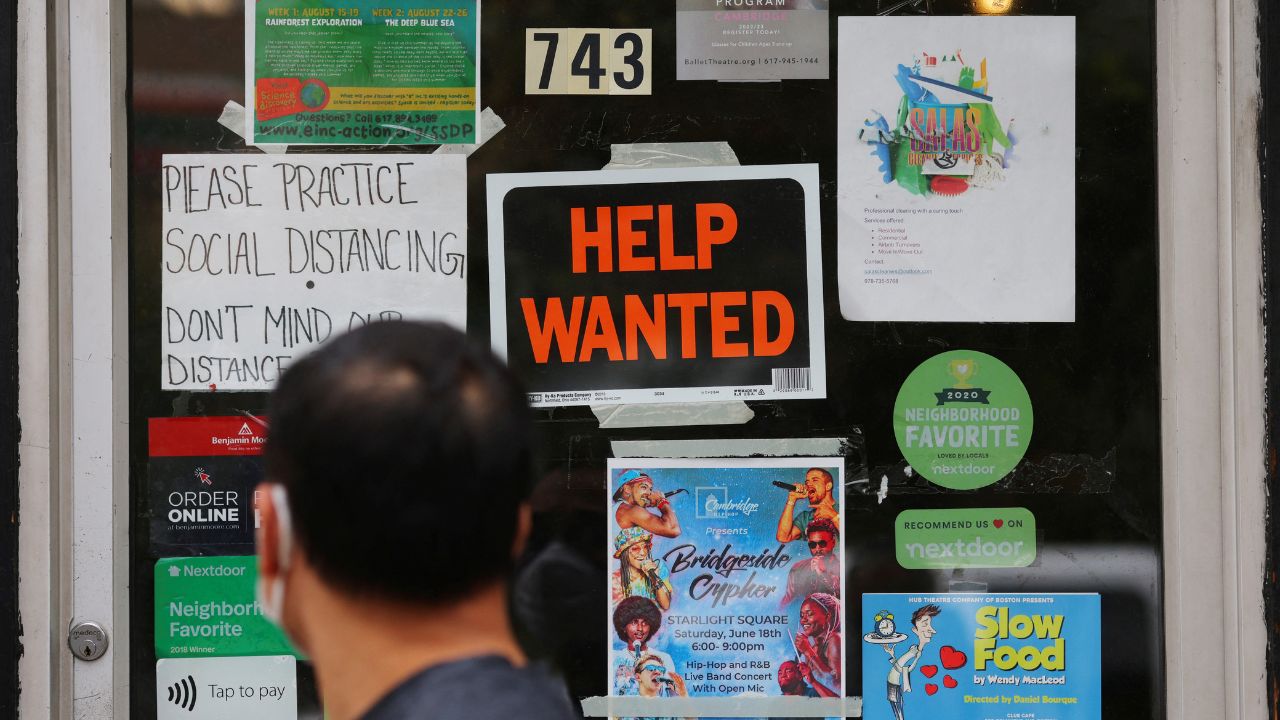
Employers added 29,000 jobs last month and the unemployment rate rose to 4.2%, federal data showed Friday, slower than expected growth for a labor market that had shown greater-than-expected strength in recent months.
That resiliency has stood in tension with the strain of higher prices as inflation has marched higher since the start of the war in Iran. For most workers, wages haven’t kept up. Growth in average hourly earnings fell to 3% on an annual basis in September, well below the current rate of inflation and the slowest since the depths of the pandemic. Employment gains for July and August were also revised down by a combined 60,000 jobs.
“The labor market is stable, but it’s not picking up. It’s soft,” said Claudia Sahm, a former Federal Reserve analyst and the chief economist at New Century Advisors. “The labor market is OK, it’s just who you are in the labor market that matters, and more than usual.”

That softness relative to some of the previous jobs reports may feel a bit more reflective of how people feel about an economy where prices are climbing and consumer sentiment is plumbing multiyear lows.
U.S. employers and workers have experienced successive shocks in recent years. First, the pandemic, then inflation, then wars and tariffs that have pushed prices higher still. Diesel prices have hit record highs, straining freight and supply chains, as energy bottlenecks in the Middle East remain.
The overall U.S. economy has digested the volatility without faltering. And the labor market has remained resilient even as it presents challenges to job seekers and recent graduates. One reason is a shift in the supply of workers: even as hiring rates have slowed, baby boomers have retired at a notable pace and the Trump administration’s immigration restrictions have limited entrants to the workforce.
Here’s what else to know:
— Labor force participation among midcareer workers, ages 25-54, rose in September and remains strong, indicating enough demand for workers to keep employment rates elevated. The unemployment rate has been at or below 4.5% since October 2021, the longest streak in modern history.
— AI’s reach: Measuring job losses affiliated with artificial intelligence is difficult. But it seems sectors most exposed to AI cut jobs in September. The information industry lost 10,000 jobs, the financial industry lost 7,000 jobs and employment in professional and business services fell by 9,000 people.
— Employment growth has been highly concentrated in the education, healthcare and social assistance sectors over the past couple years, as others have lagged or lost jobs. In September, the healthcare and construction sectors were the lead contributors to payroll gains. And in a modest bright spot, the manufacturing sector, which had been trending down, added 9,000 jobs. And total manufacturing employment is now up by 72,000 since December 2025.
—
This article originally appeared in The New York Times.
By Talmon Joseph Smith
c. 2026 The New York Times Company