
Newly unsealed court documents showed considerable concern within Microsoft and its close partner OpenAI over the use of millions of news articles to develop artificial intelligence systems.
As OpenAI was forging ahead with its work, Microsoft employees debated whether what OpenAI was doing represented the “largest theft of labor in human history” and could create a “doom loop” that could ultimately threaten the quality of the large language models they were building.
“Millions of people around the world will soon consider large models ‘hoovering up’ all their work to be an astonishing theft of unprecedented proportions,” said one internal Microsoft document from 2023.

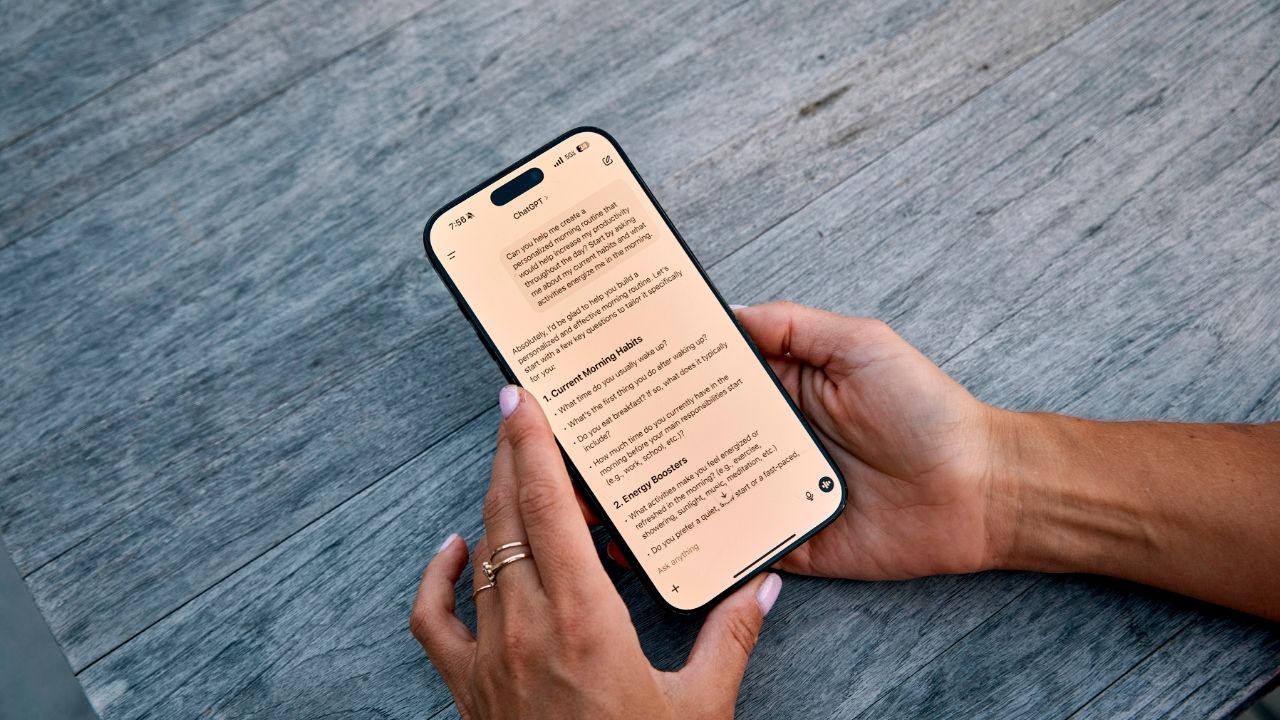
Inside OpenAI, there was also worry that its ChatGPT chatbot could lead people away from reading news elsewhere. In a June 2023 memo, Nick Turley, who led the team developing ChatGPT, wrote that AI posed an “existential threat” to publishers. And in February 2024, he wrote that AI products “will get more and more substitutive as they get better.”
Snippets of those discussions were made public on Thursday as part of a closely watched lawsuit The New York Times filed against OpenAI and Microsoft in late 2023. Eleven other publishers have joined the suit. Judge Sidney H. Stein of U.S. District Court for the Southern District of New York is considering motions for a summary judgment.
The publishers argue that the tech companies violated copyright law by scraping millions of their stories off the internet and other databases, and using the text, without approval or pay, to train advanced AI systems.
Microsoft and OpenAI contend their work was covered under legal protections for “fair use” of copyrighted material. They say the articles were sufficiently transformed into entirely new work by AI, and were not substitutes that harm the value of the original work.
A Microsoft spokesperson, Alex Haurek, said in a statement that internal memos, written by Brent Hecht, Microsoft director of applied science, did not represent the company’s views.
There were also signs that ChatGPT was not directing users to read relevant stories as they were written by publishers, according to the documents. In February 2023, an OpenAI software engineer wrote to colleagues that, “no matter how prominently we show the links, users won’t click.”
—
This article originally appeared in The New York Times.
By Karen Weise and Mike Isaac/Andres Kudacki
c. 2026 The New York Times Company