
|
Getting your Trinity Audio player ready...
|
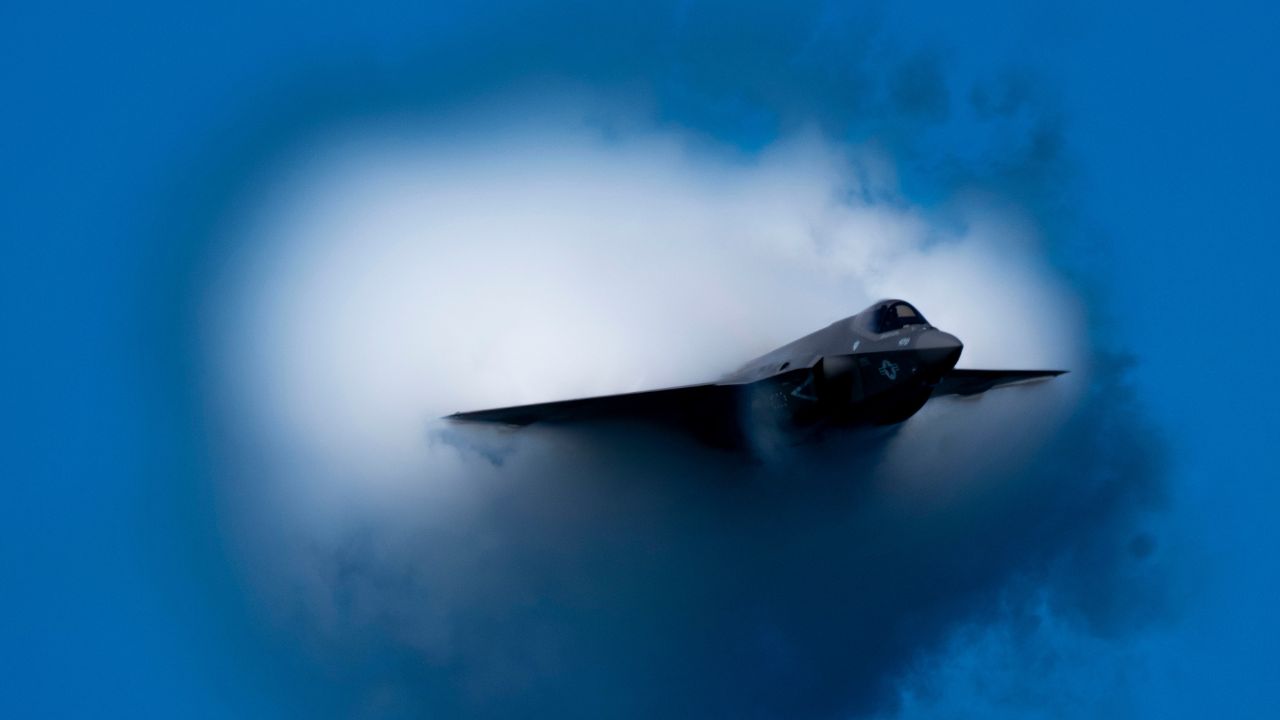
U.S. intelligence officers have expressed concerns in internal reports about possible Chinese espionage related to a pending sale of dozens of advanced F-35 fighter jets to Saudi Arabia valued at $24 billion, according to U.S. officials.
Intelligence analysts have raised the possibility that China could acquire F-35 jet technology through spying in Saudi Arabia or through its military and security partnership with the kingdom, the U.S. officials said.
One detailed report issued by the Pentagon’s Defense Intelligence Agency months ago discusses Chinese military access to Saudi bases and Saudi Arabia’s use of Chinese technology in its telecommunications infrastructure, an official said. It also questions whether the Americans and Saudis will be able to maintain secure sites for the F-35 technology, the official said.

That report has circulated among several administration agencies and congressional offices, as have assessments from other intelligence offices. The DIA issued a more general report in the fall of 2025 on similar risks when the administration was discussing the possibility of the sales, The New York Times reported at the time.
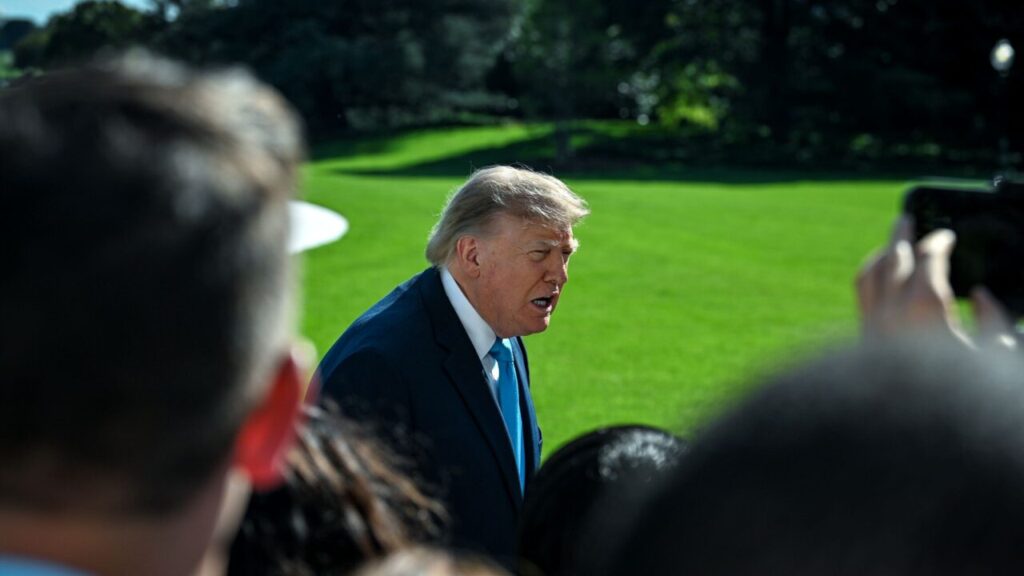
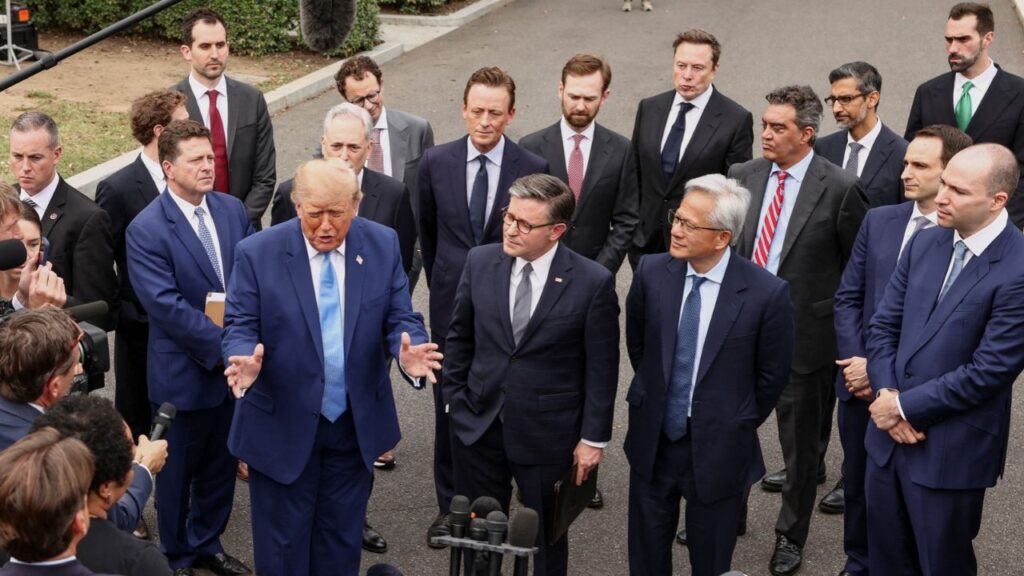
President Donald Trump then announced the sale the day before he hosted Crown Prince Mohammed bin Salman, the de facto leader of Saudi Arabia, at the White House in November.
The sale is at a more advanced stage now, and the newer DIA report raises sharper concerns, including technical ones. The State Department sent the proposed sales package of 48 jets and a spare engine to two congressional committees in June to get informal approval. Some lawmakers and aides have been pressing the administration on the concerns raised by the intelligence agencies.
The U.S. officials spoke about the concerns among intelligence officials on the condition of anonymity because of sensitivities around espionage and military matters.
The State Department, the Pentagon and the Saudi Embassy in Washington declined to comment. The White House and the Chinese Embassy did not reply to requests for comment.
U.S. intelligence agencies raised similar concerns internally during Trump’s first term after he agreed in 2020 to sell F-35 jets to the United Arab Emirates as part of a deal in which the UAE would normalize relations with Israel.
It takes years to produce the jets, which are made by Lockheed Martin, and the Biden administration decided to review the sale well before production and delivery. Intelligence agencies raised the same issues at that time because the UAE was strengthening its military, intelligence and technology ties with China. U.S. officials then ended the sales process.
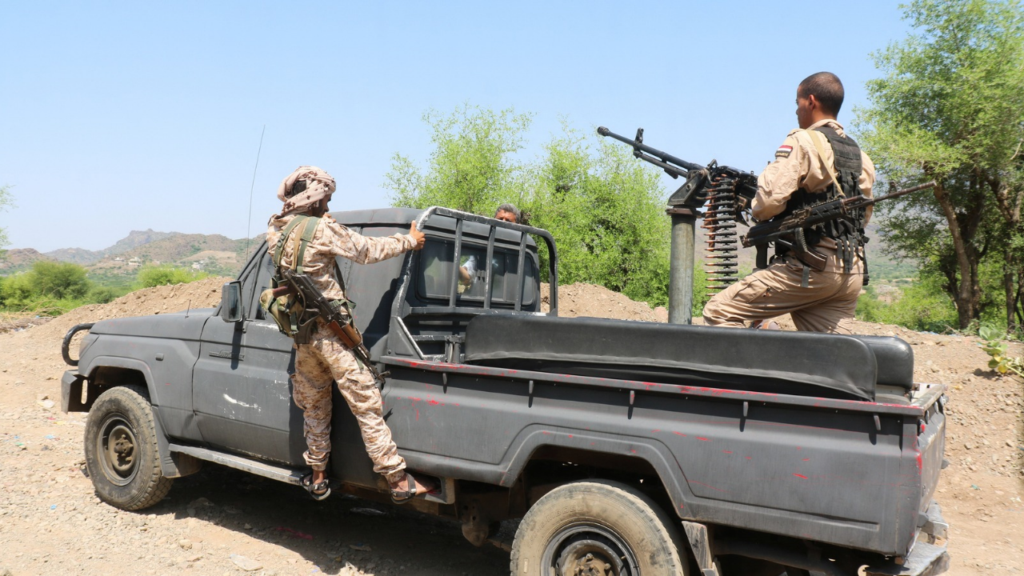
Crown Prince Mohammed has been trying to build up his military. He began a disastrous seven-year war against the Houthis in Yemen, one in which Saudi-led forces killed civilians with American bombs. The Saudi military has failed to ward off attacks from Iran in the current U.S.-Israeli war against Iran, and the Saudis and the Houthis, which are supported by Iran, have begun fighting again.
Crown Prince Mohammed has long sought to buy F-35 jets from the United States, and Trump finally agreed in November. Saudi Arabia and the United States have had decades of military cooperation, and the kingdom is by far the largest buyer of American weapons and defense equipment. But Saudi Arabia buys ballistic missiles from China, and the Chinese military is helping the Saudis learn to build ballistic missiles, set up production facilities and improve missile operations.
Democratic lawmakers sent President Joe Biden a letter in June 2022 laying out their concerns over that program.
The recent Pentagon intelligence report said that only Saudi and U.S. officers and contractors should have access to sites where F-35 technology would reside, a U.S. official said. Pentagon officials are especially concerned about protecting the advanced radar and surveillance technology of the F-35.
The intelligence analysts ask in the report whether Saudi Arabia would more broadly agree to limit contact with Chinese military and intelligence personnel and associated entities.
The report also questions whether Saudi officials would agree to remove equipment from Huawei and ZTE, two prominent Chinese technology companies, from telecommunications and router infrastructure and defense installations.
Some Israeli officials also have concerns about the deal, as they did when Trump proposed such sales to the UAE. Israel is the only country in the Middle East that has F-35s, which it has deployed in airstrikes against Iran in recent years. Since the 1973 Arab-Israeli war, U.S. policymakers have tried to ensure that Israel maintains its “qualitative military edge” in the region, as mandated by Congress.
Previous administrations ran a highly classified, monthslong process to review whether proposed weapons sales in the region would meet that requirement. The second Trump administration has continued to push through large arms sales to Israel, however, despite calls across the American political spectrum to end or severely decrease military support.
In several instances, Secretary of State Marco Rubio has bypassed the congressional approval process to expedite shipments of weapons to Israel, citing an emergency in the region. If congressional leaders do not give approval for the F-35 jet sales, he could decide to do the same with that.
Trump has also agreed to help Saudi Arabia build a civilian nuclear program, a project that has raised its own security concerns because Crown Prince Mohammed has vowed to build nuclear weapons if Iran does so.
–
This article originally appeared in The New York Times.
By Edward Wong and Dustin Volz/Doug Mills
c. 2026 The New York Times Company